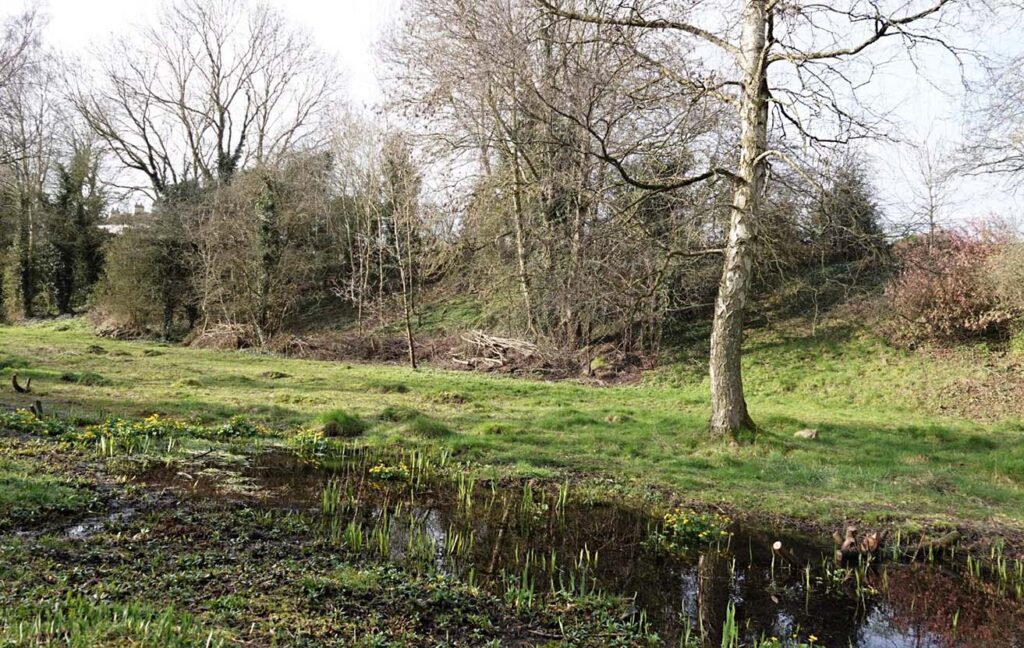
Oct 2026, Newbold Quarry

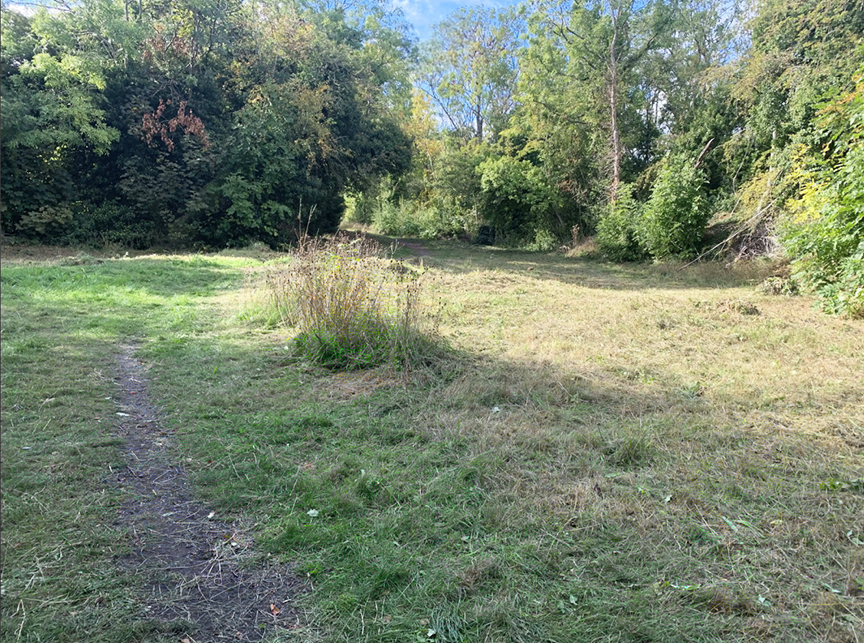
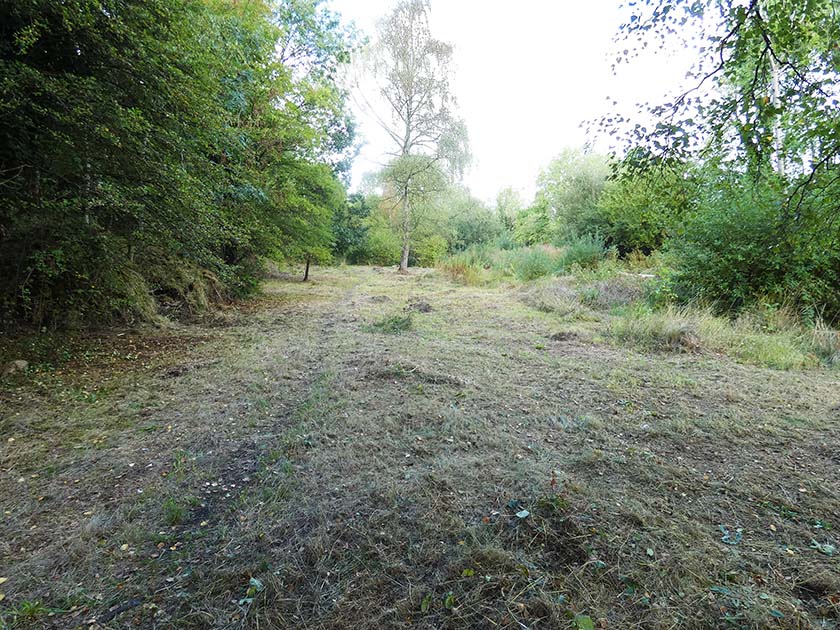
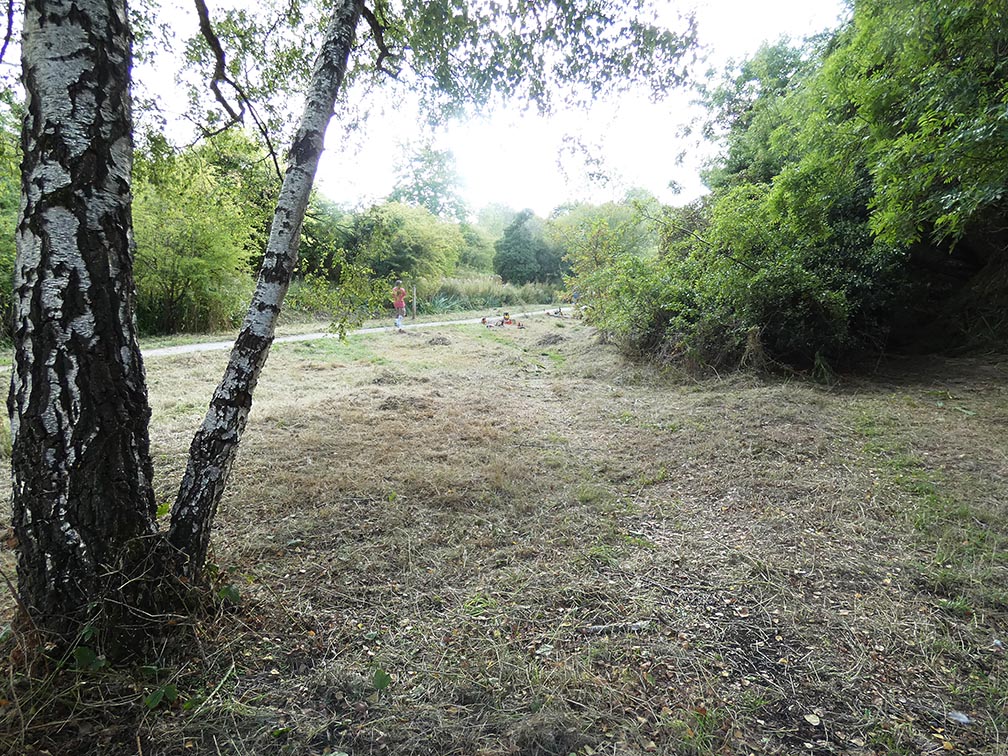
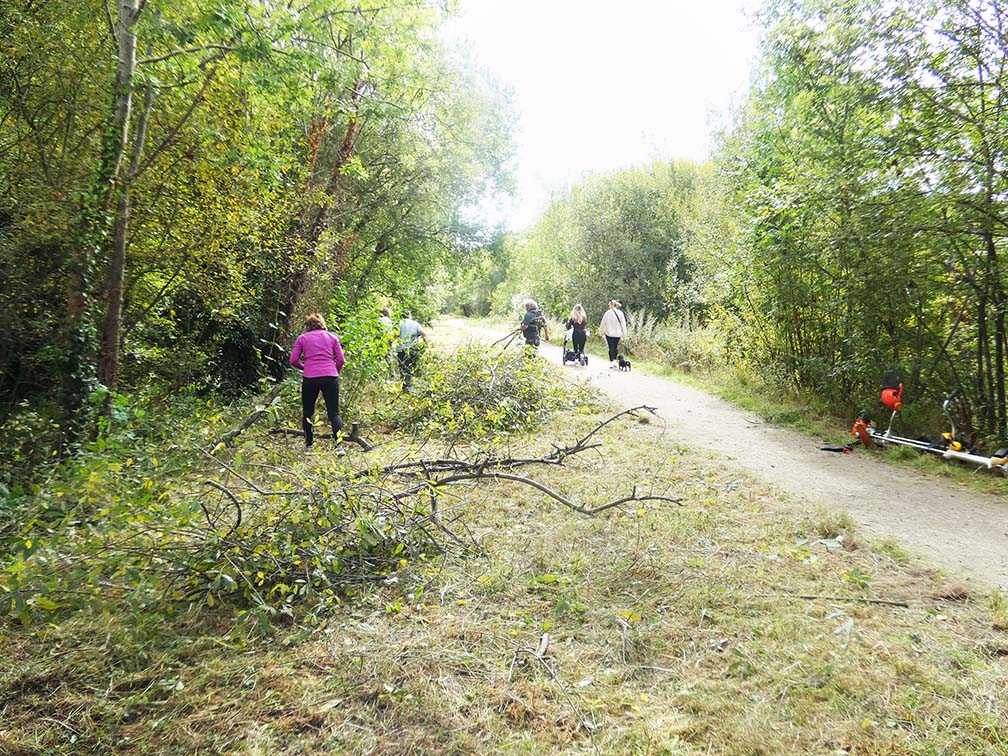
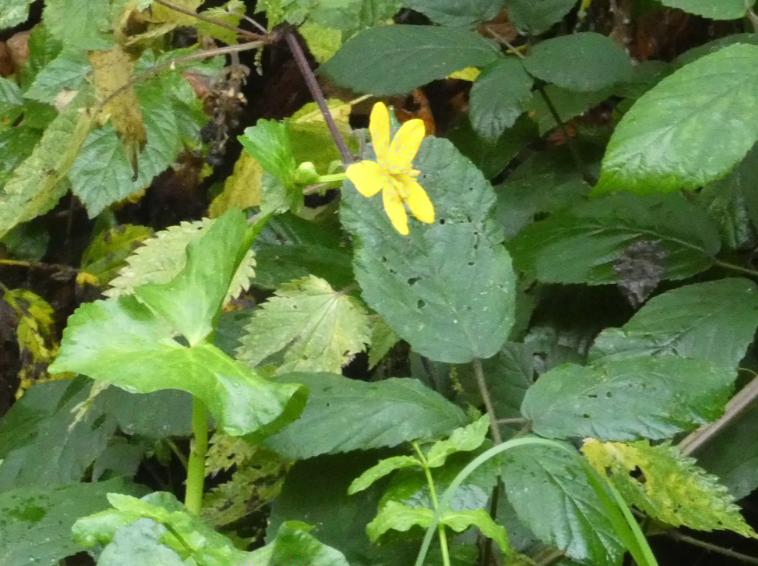
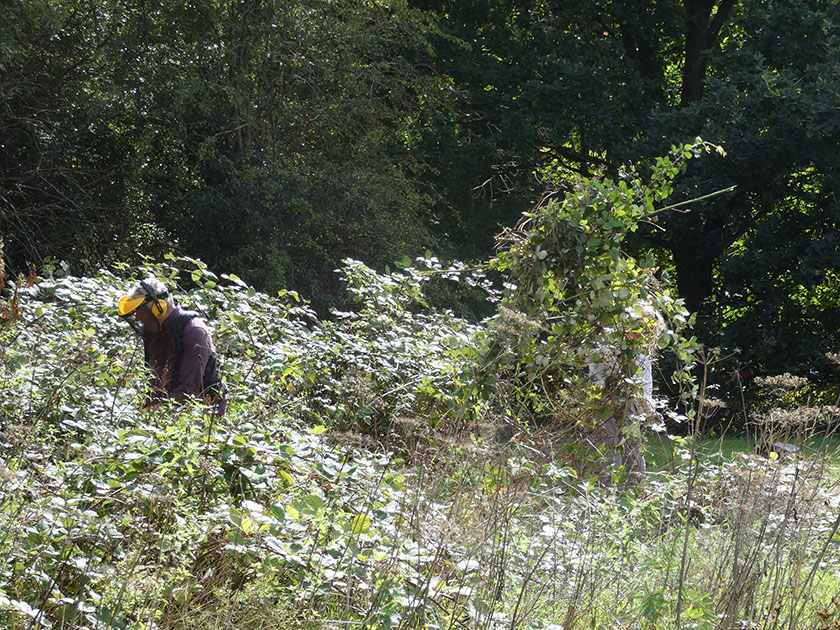
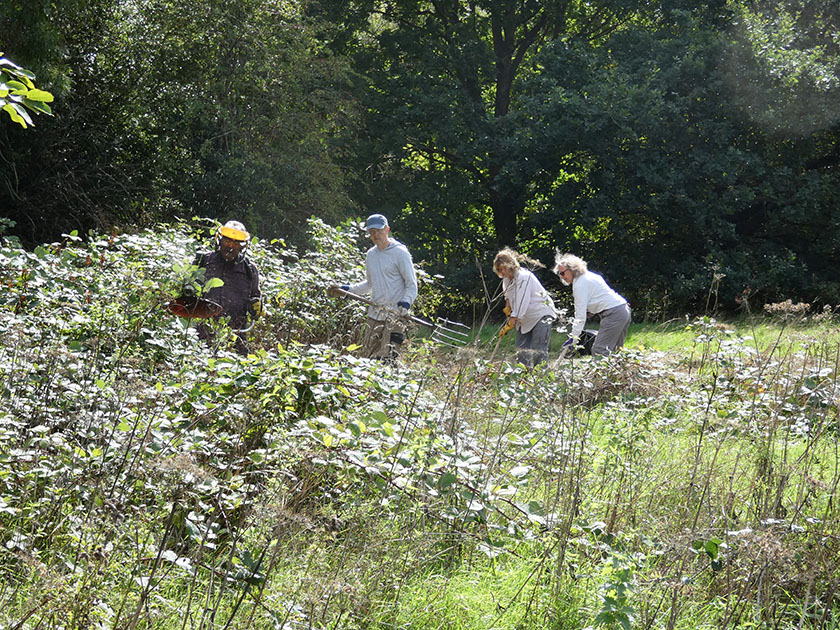
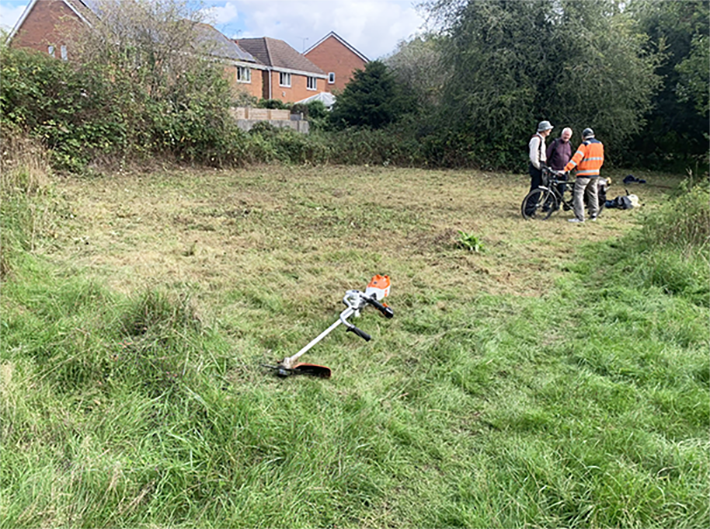
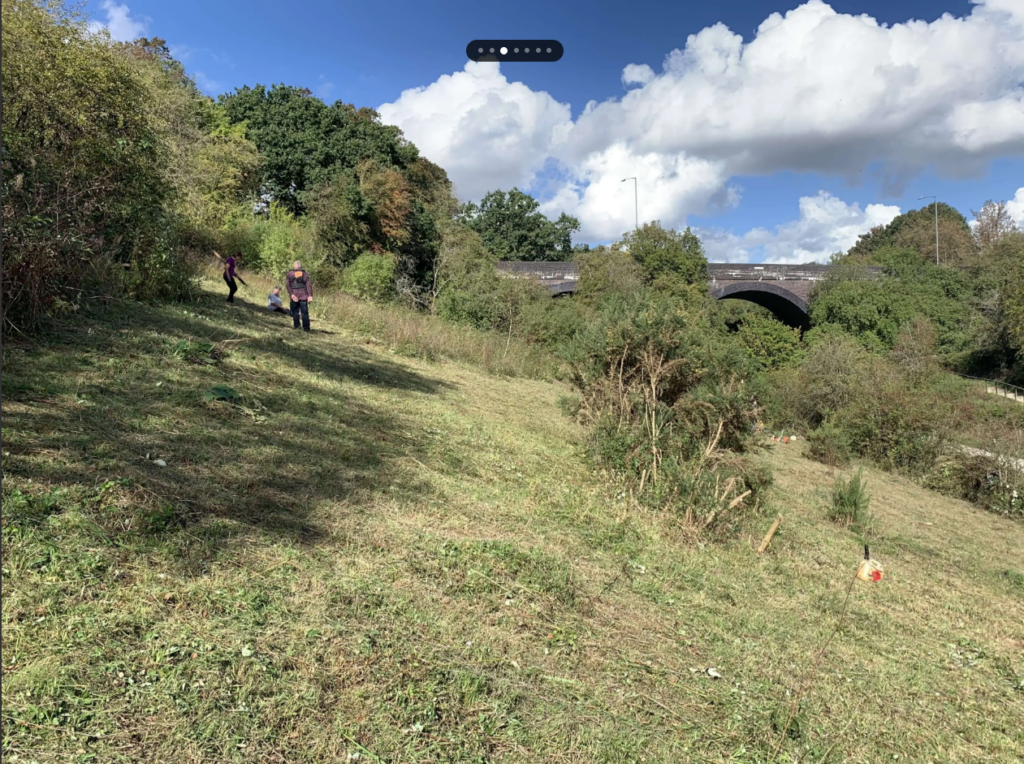
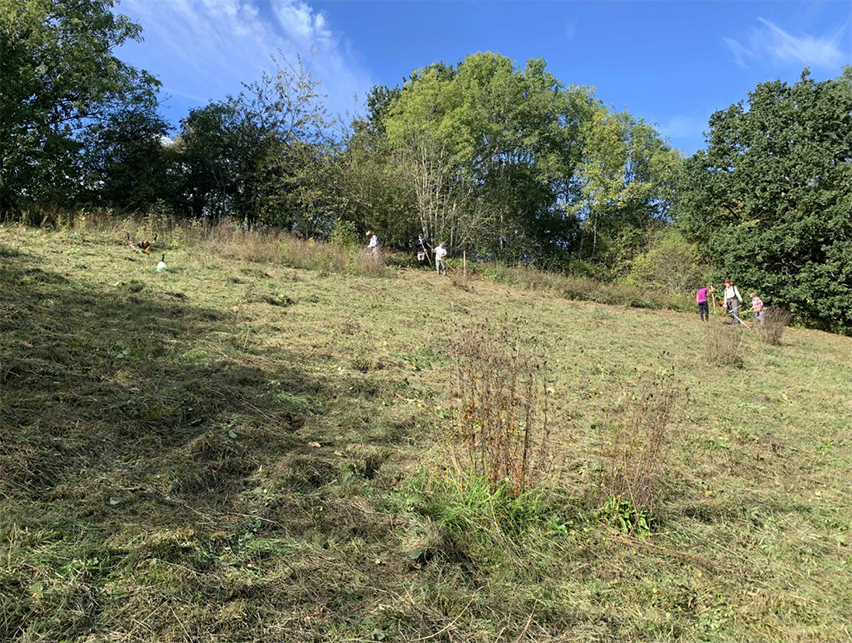
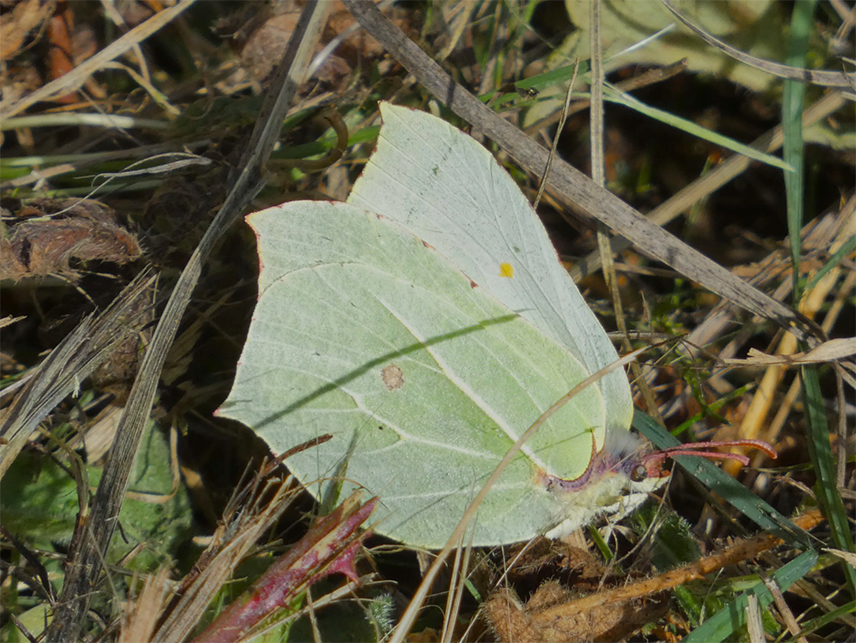
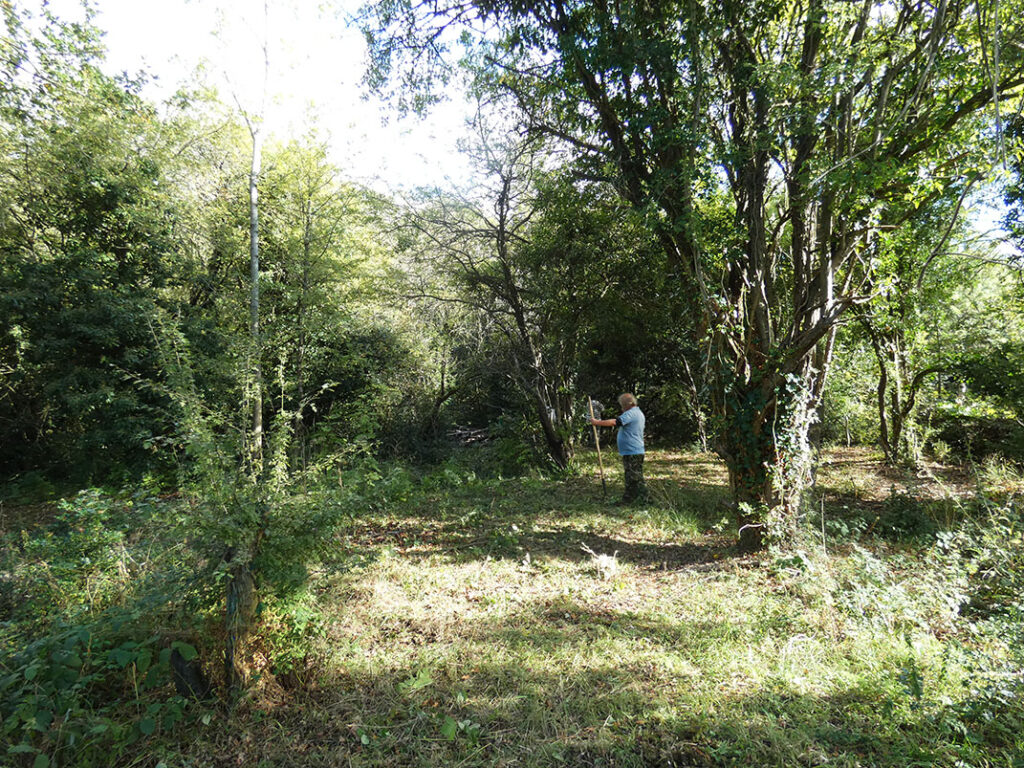
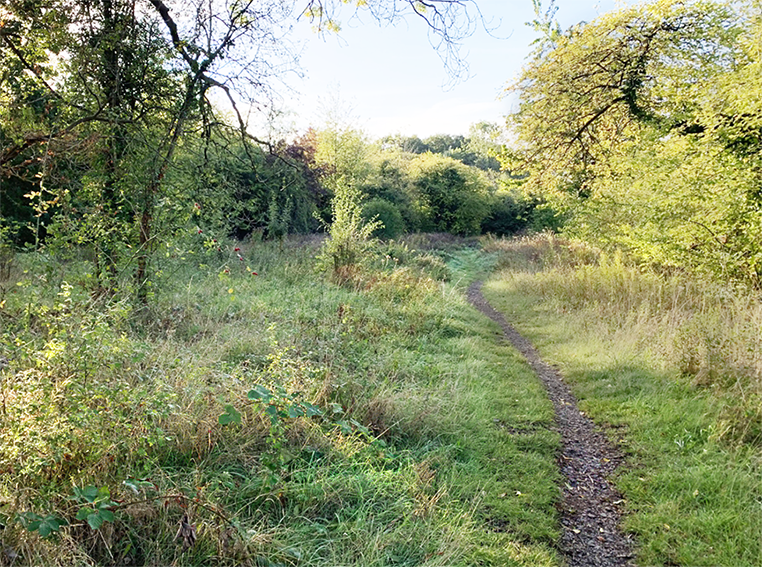
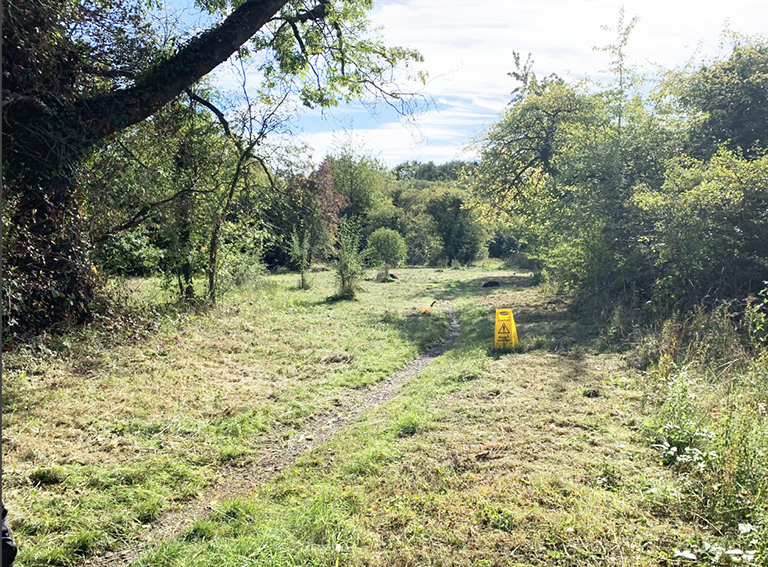
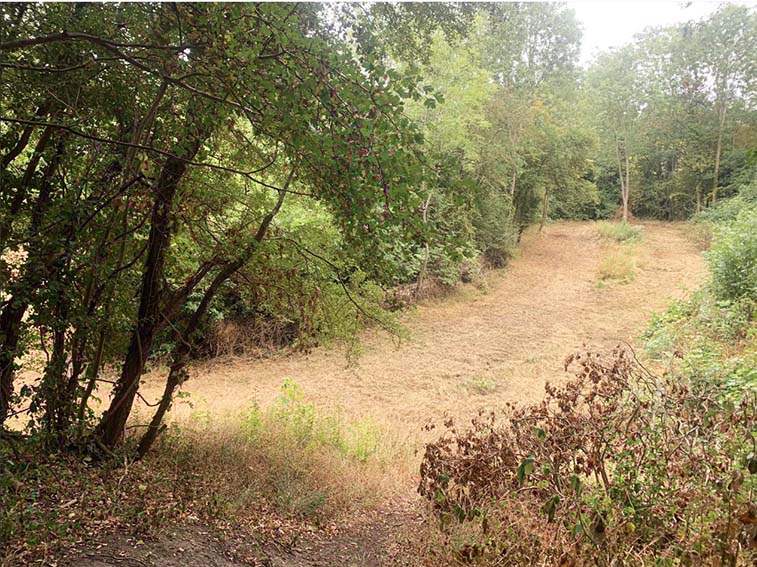
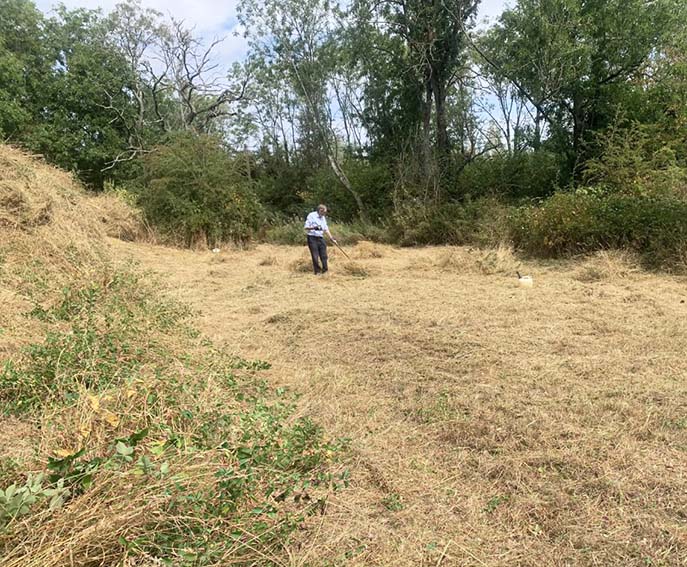
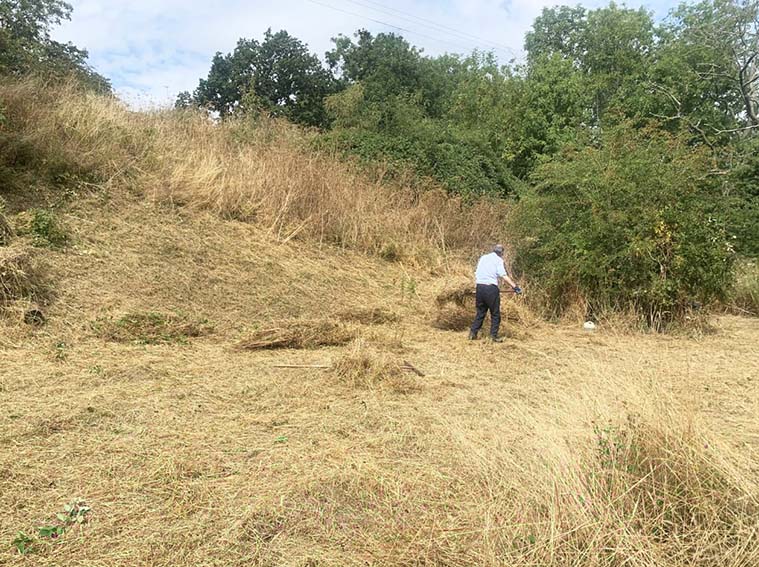
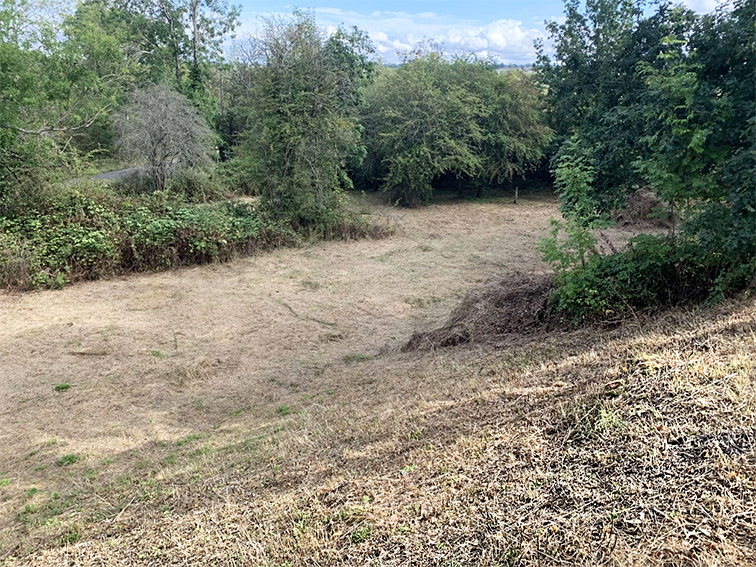
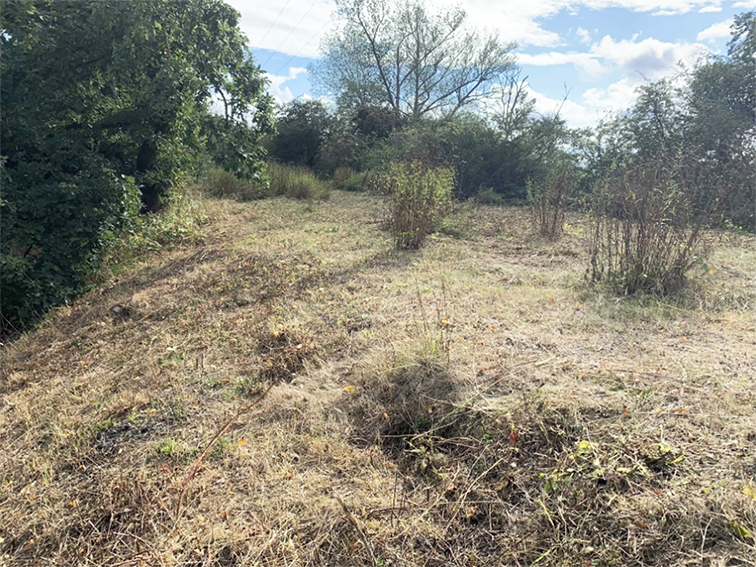
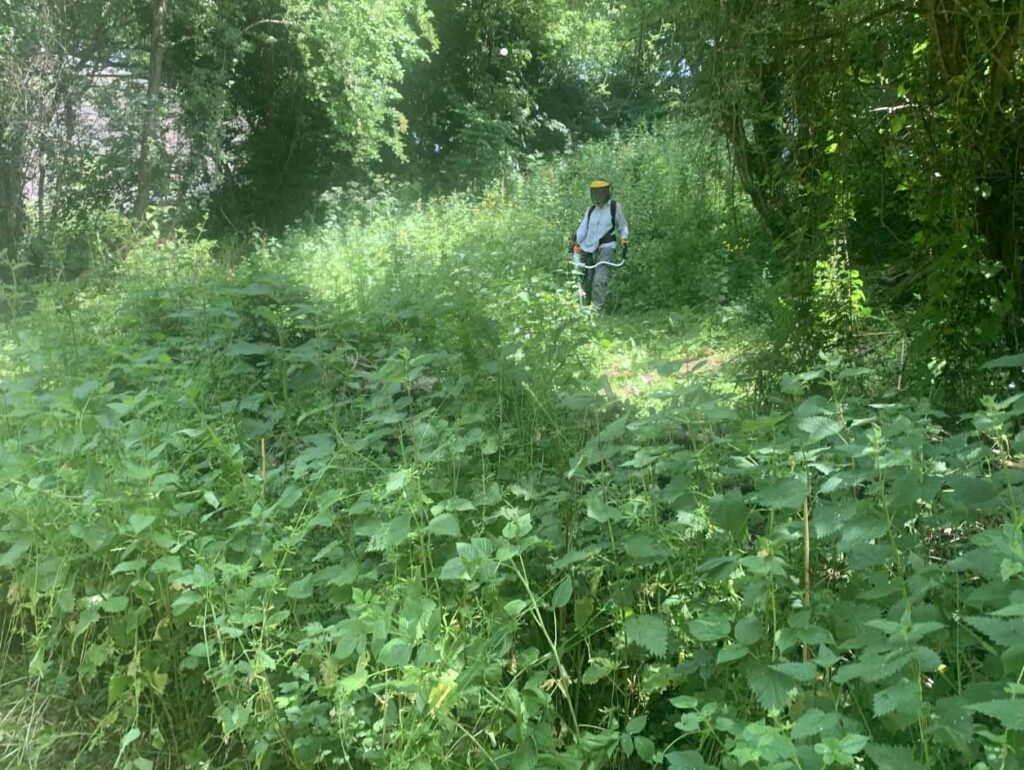
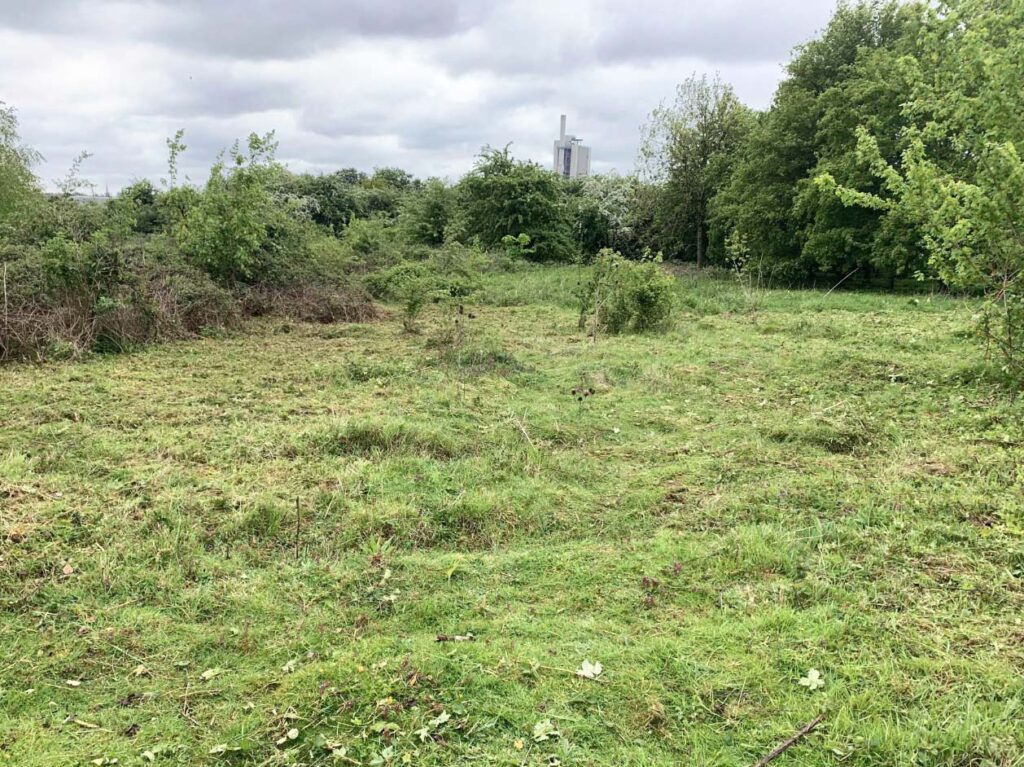
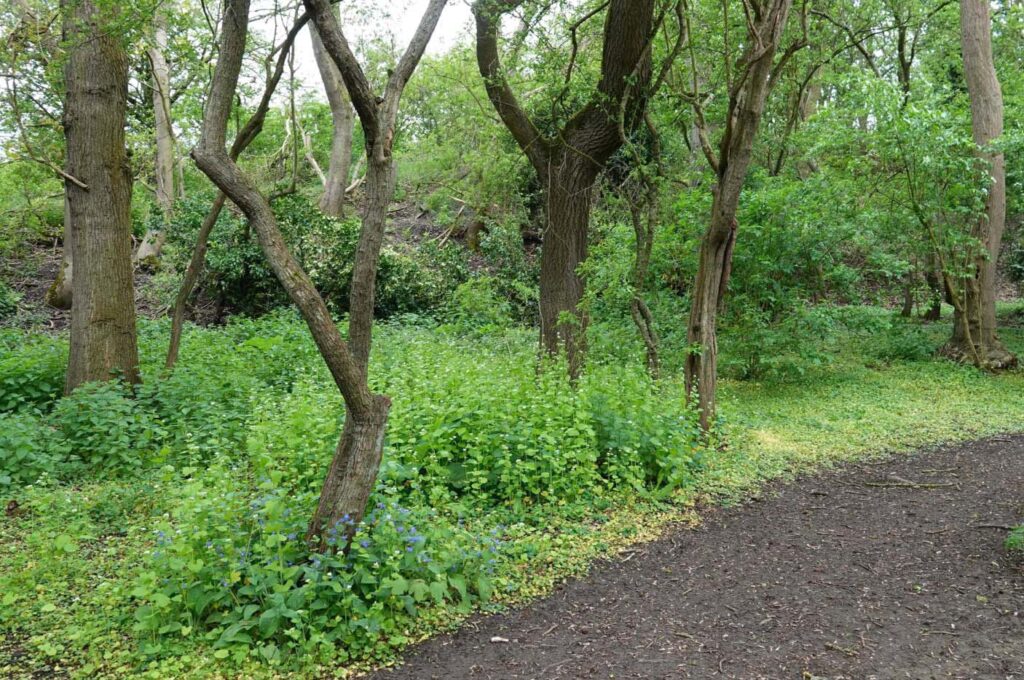
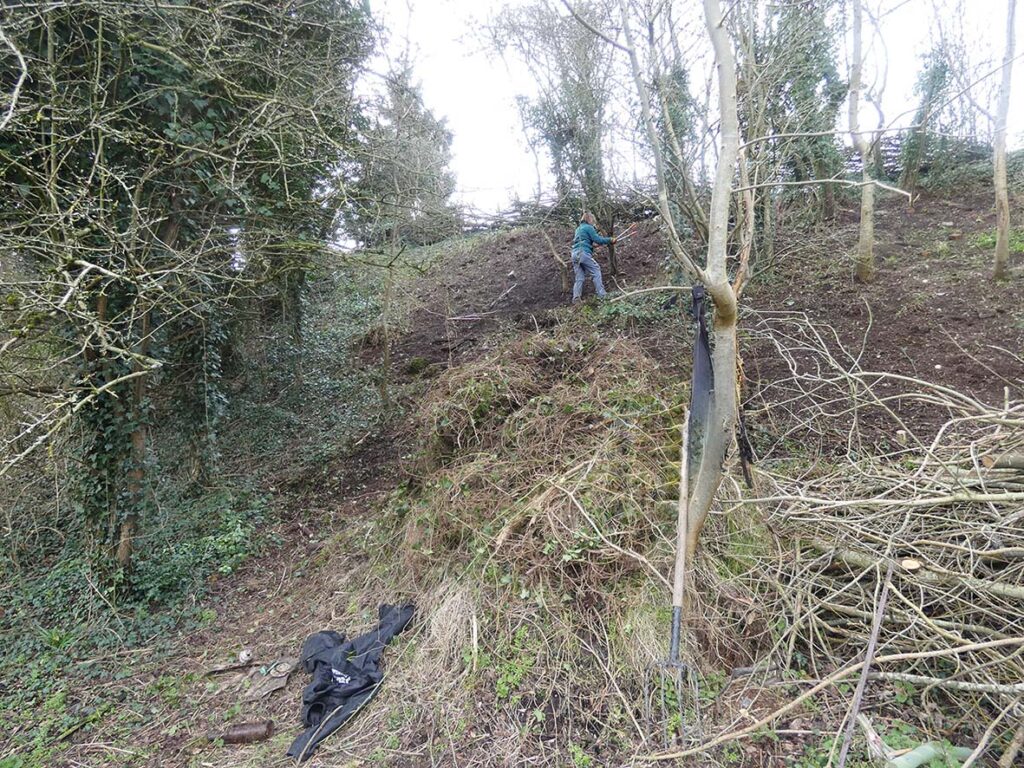
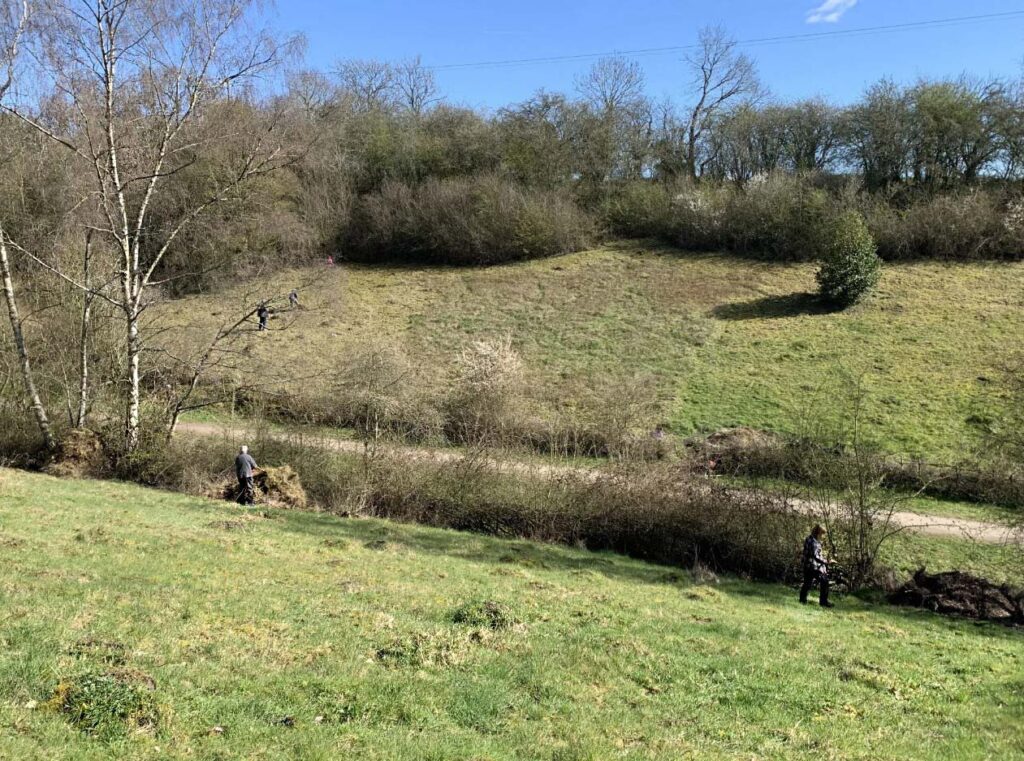
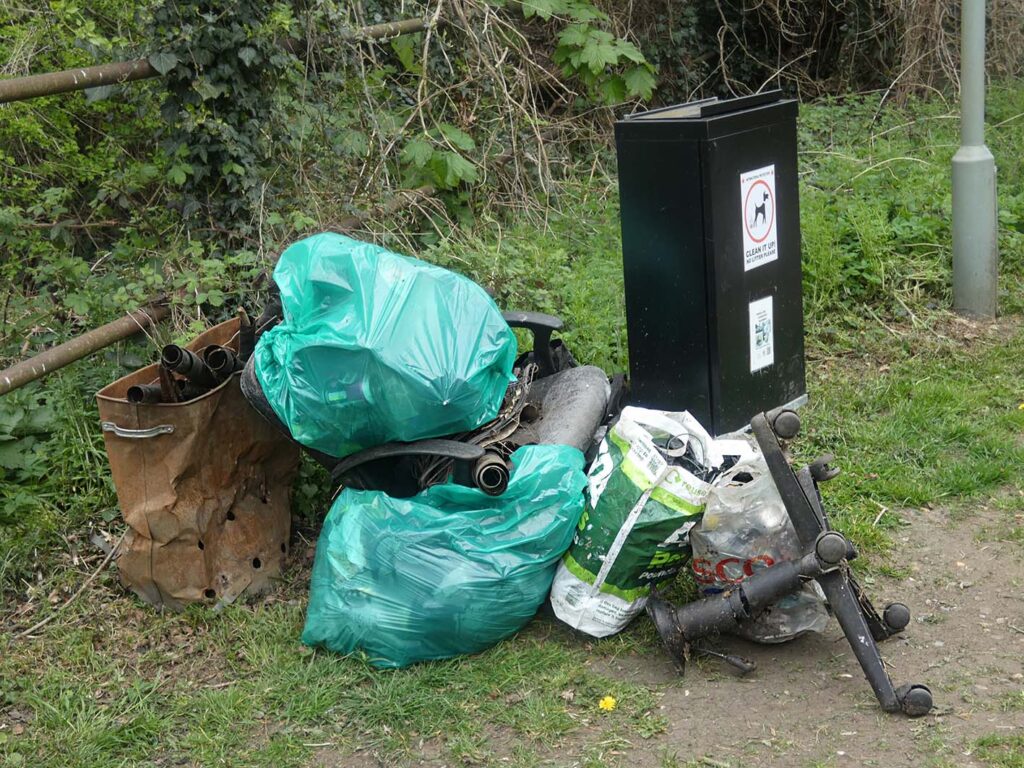
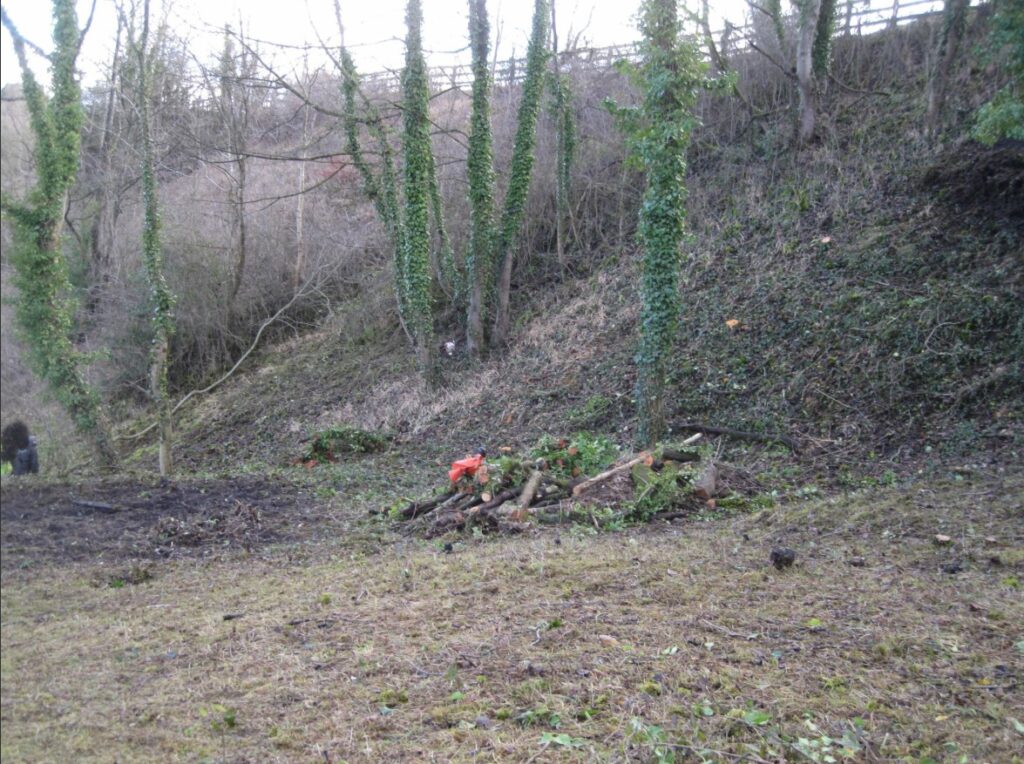
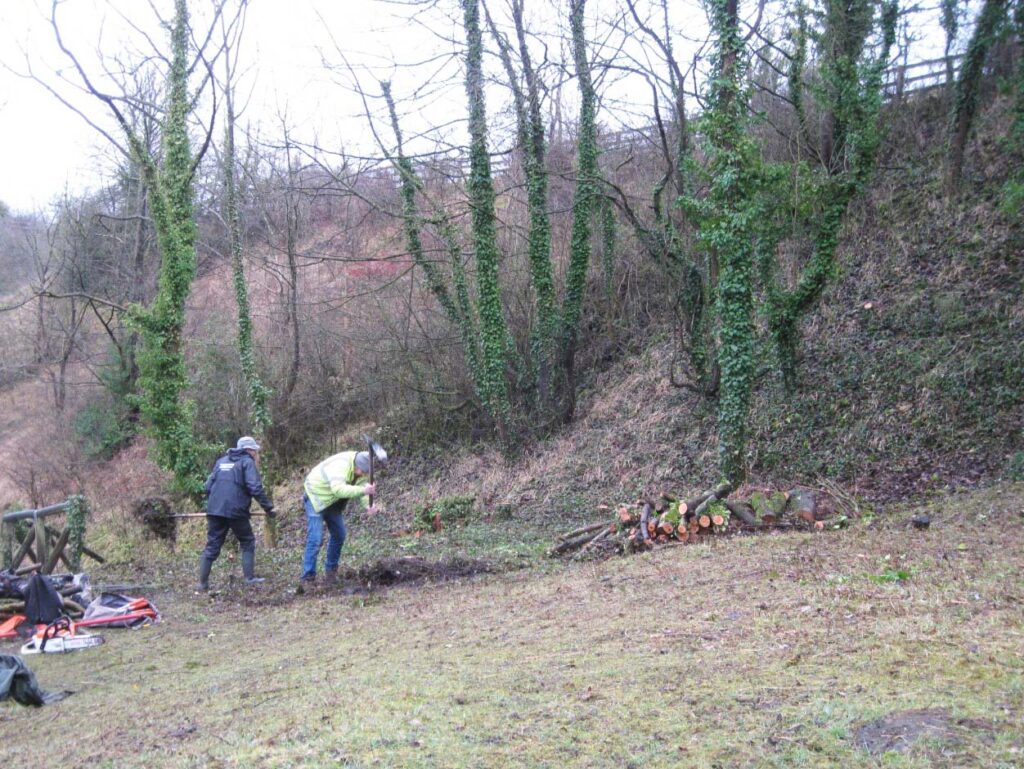
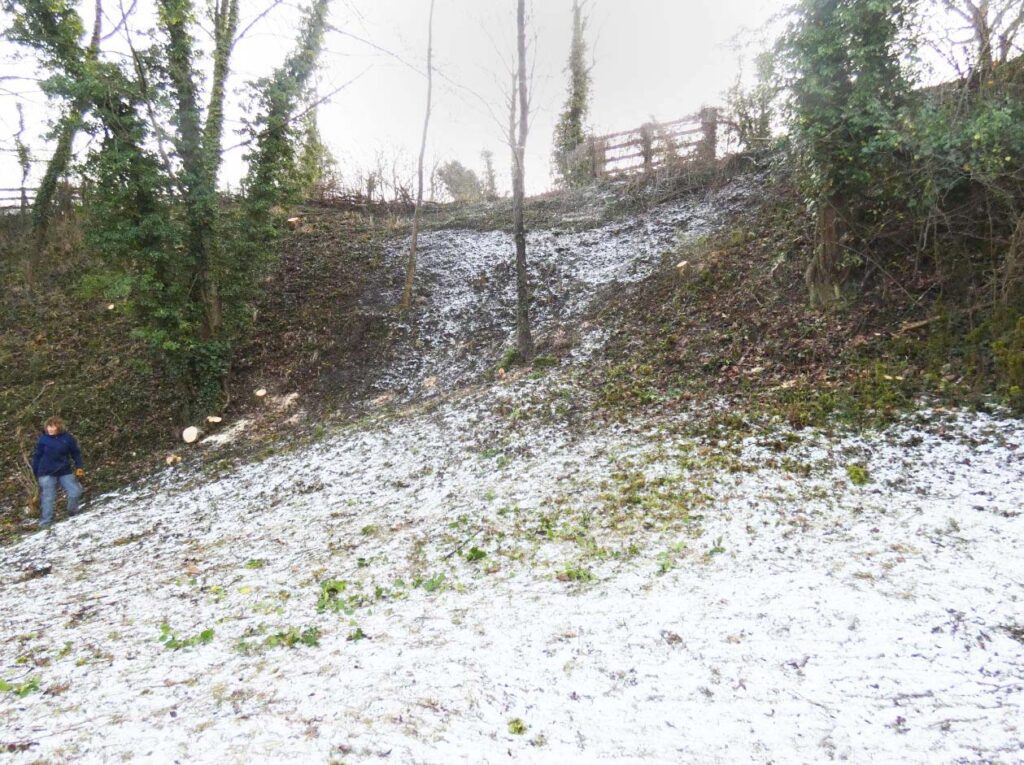
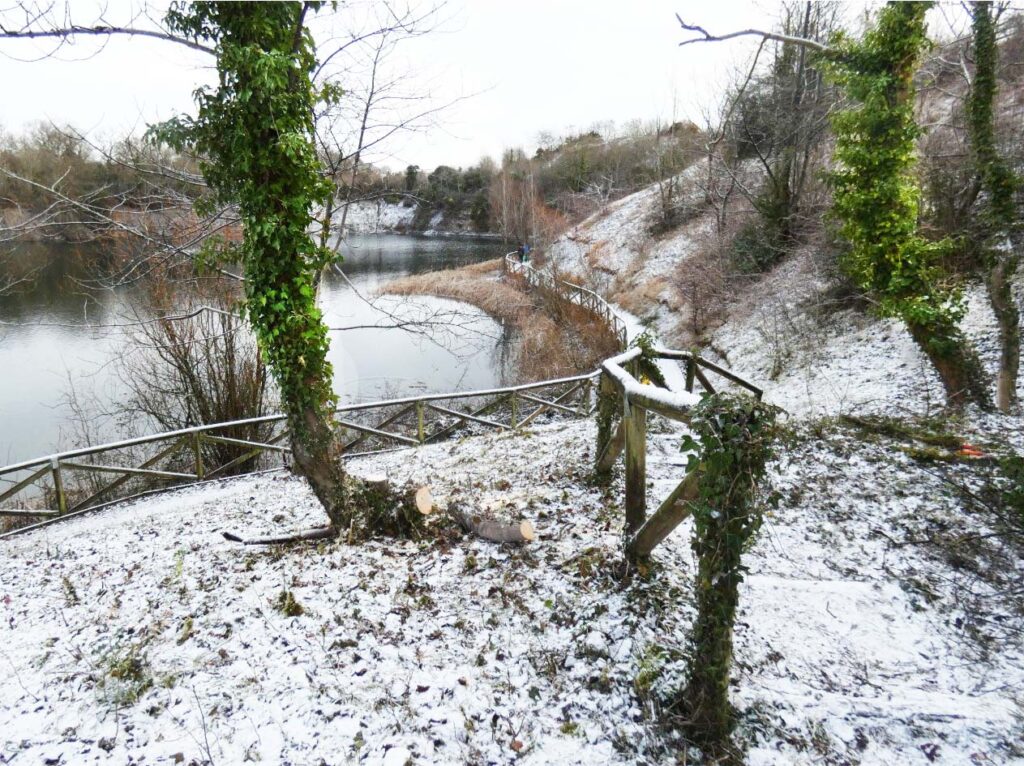
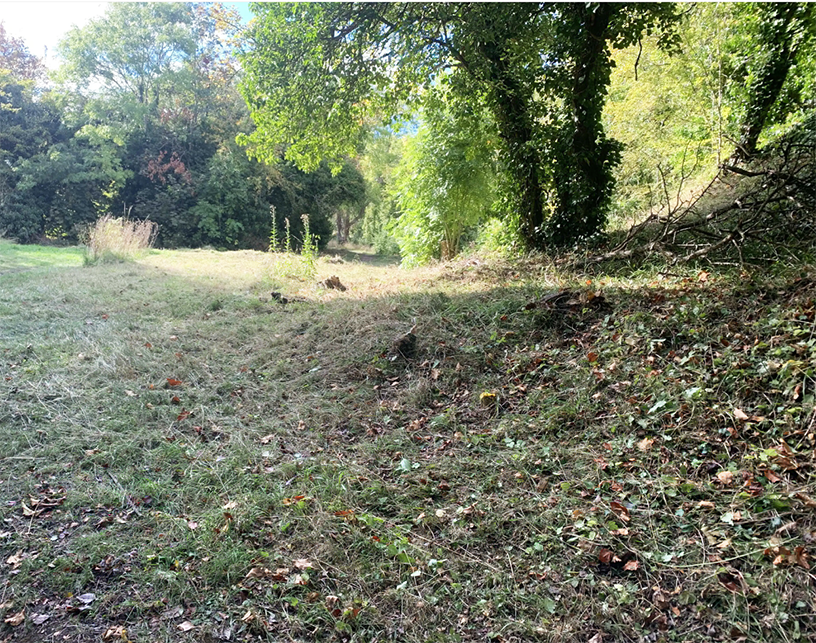
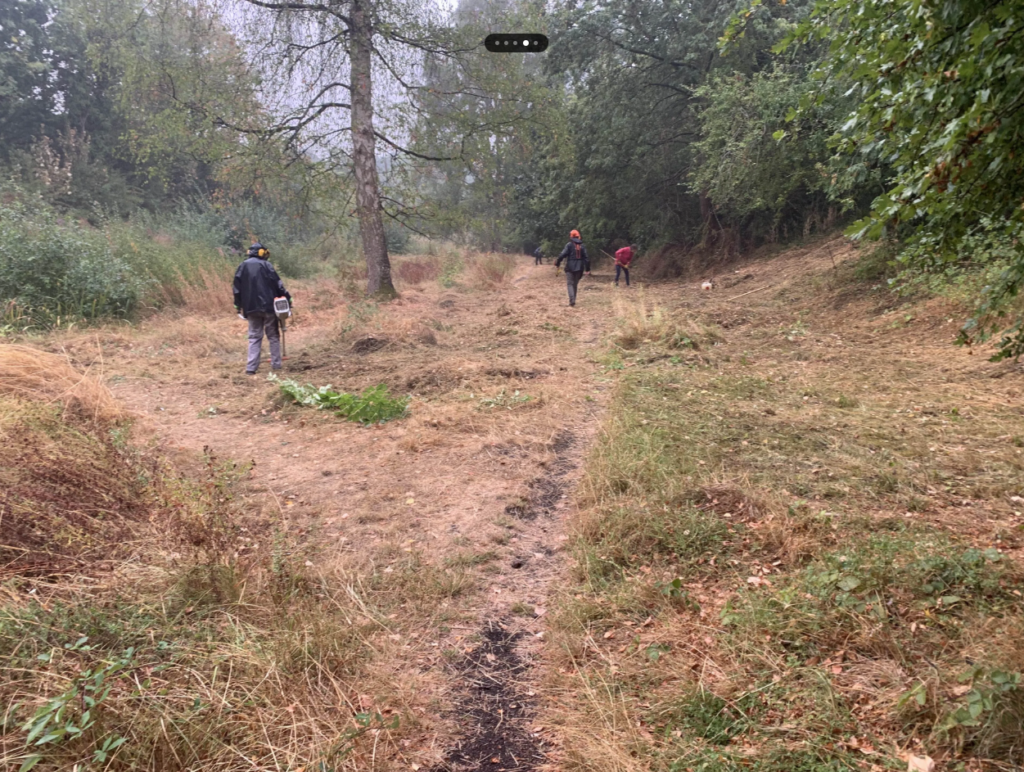
The Newbold team returned in early October to start the grassland cut and collect. The very steep Gun Hill cut required a lot of effort but was completed successfully. The South Glade was also tackled and finally a litter pick.
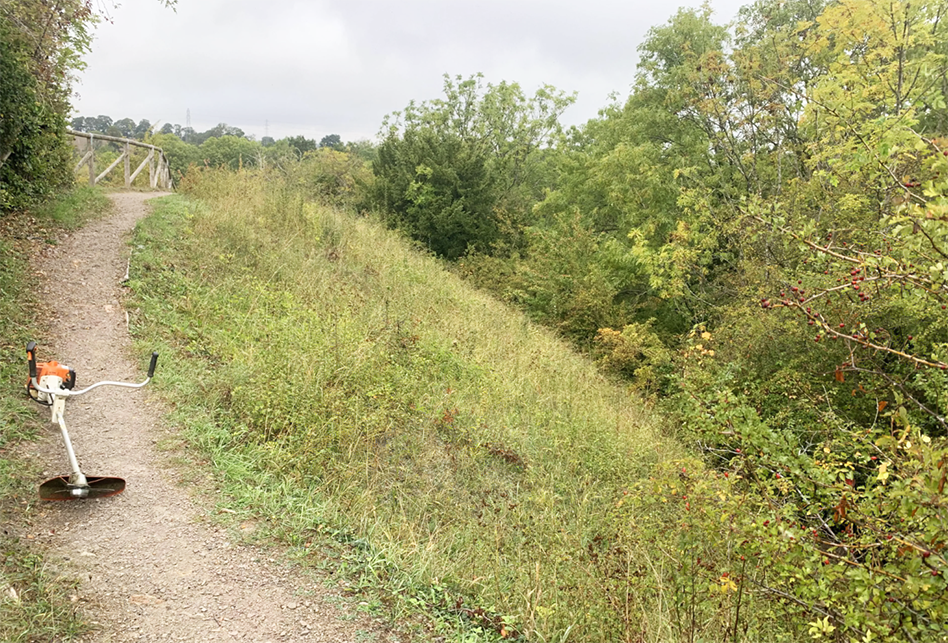
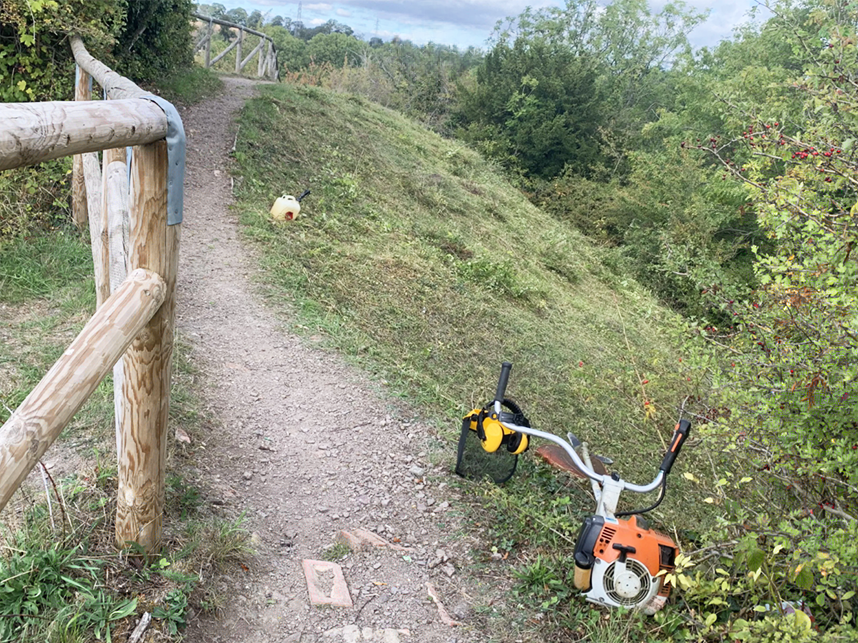
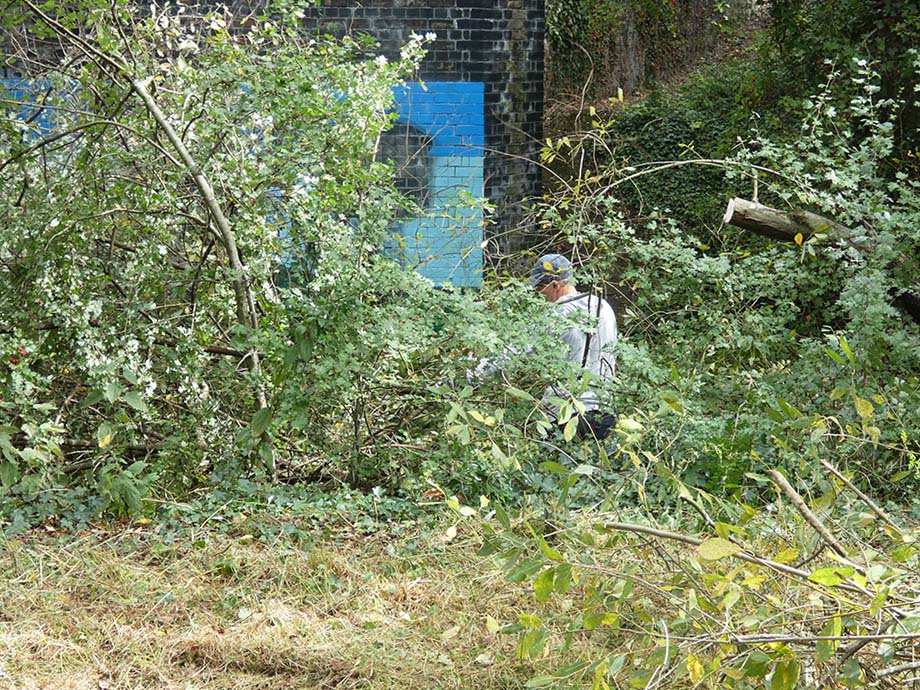
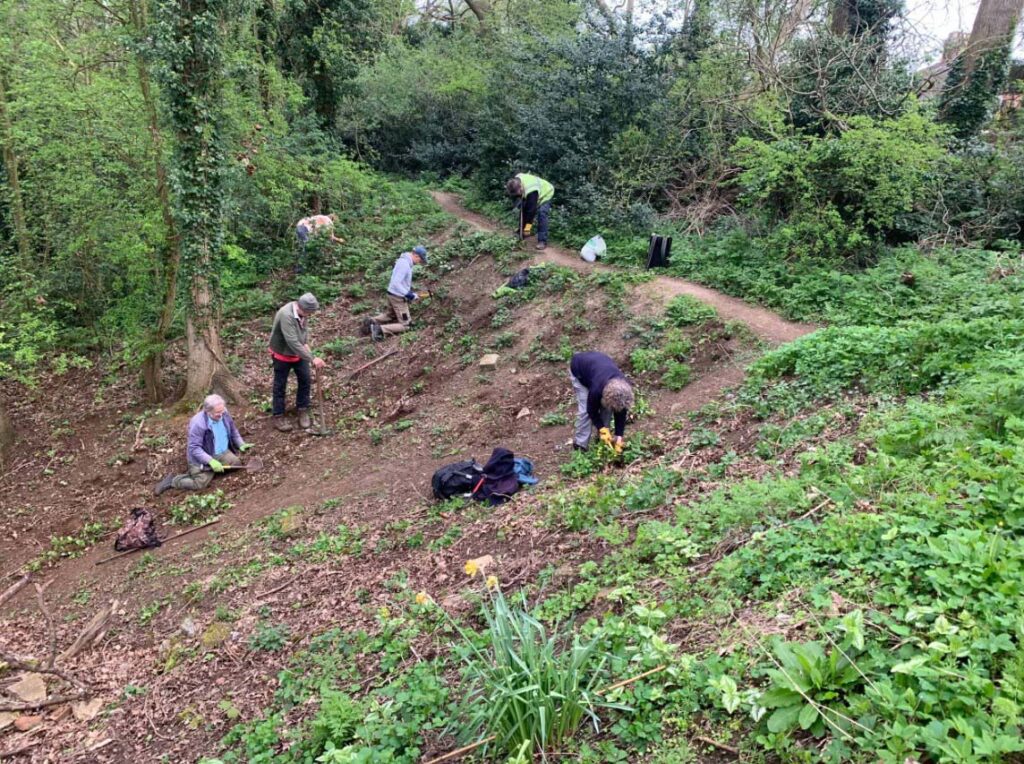
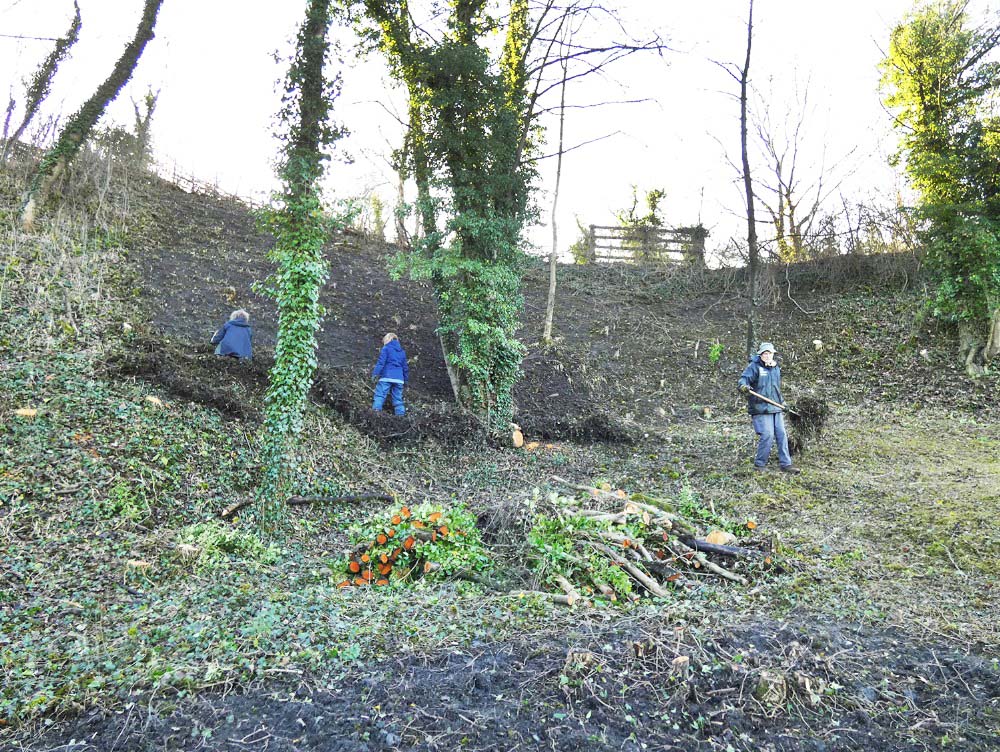
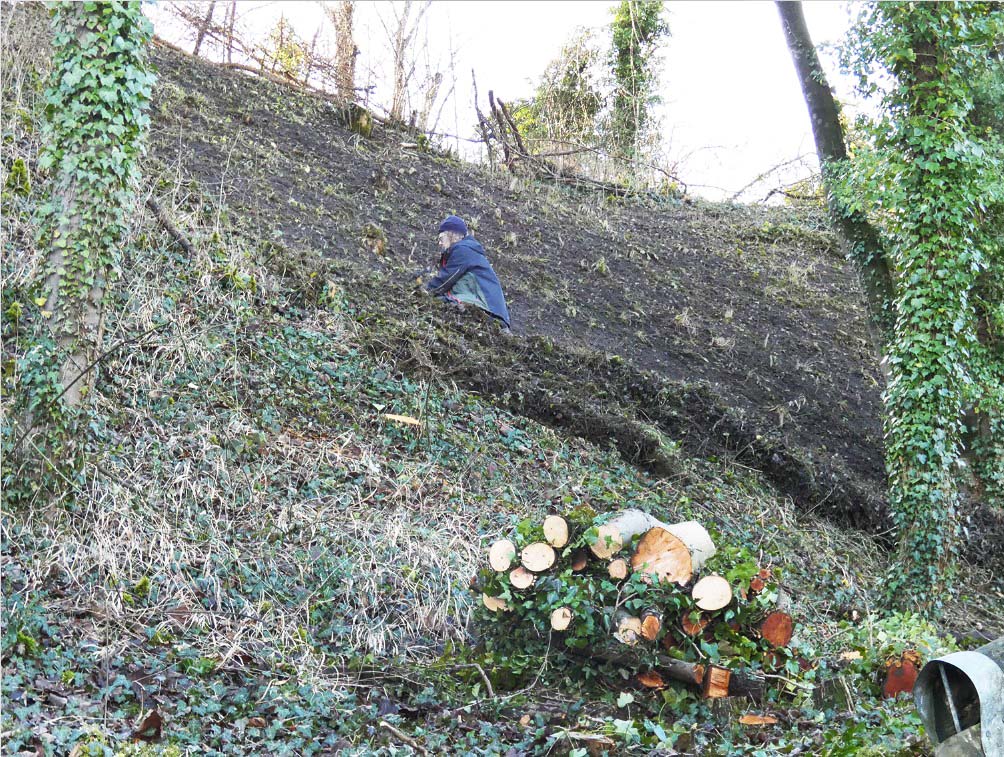
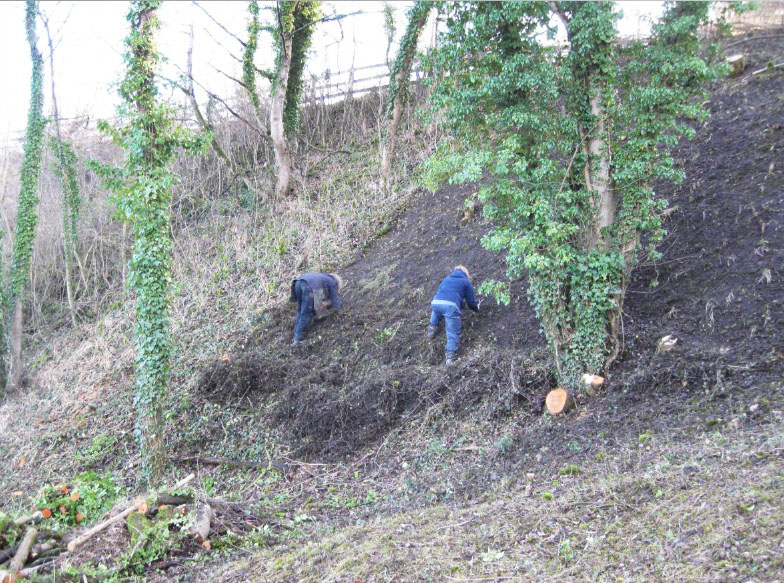
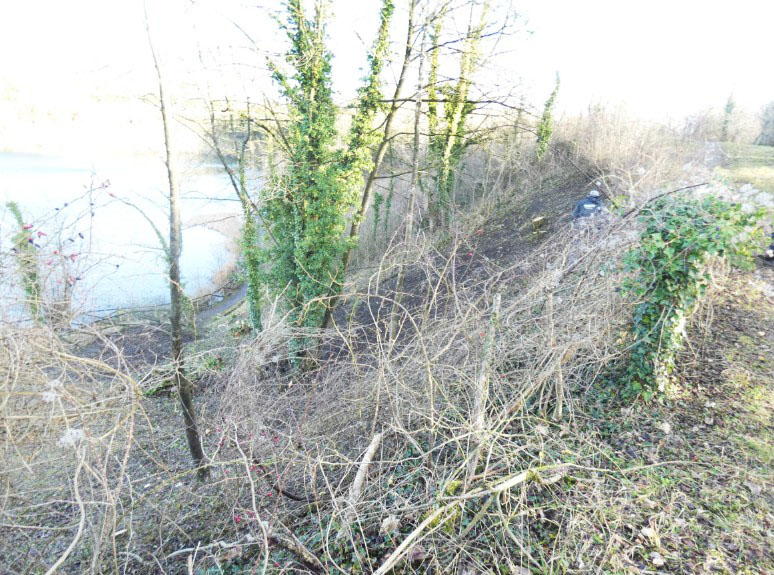
They returned to Gun Hill for the removal of Cotoneaster and Ivy to encourage more Wild Strawberry the larval foodplant of the Grizzled Skipper butterfly.
Sept-Oct 2026, Ashlawn cutting

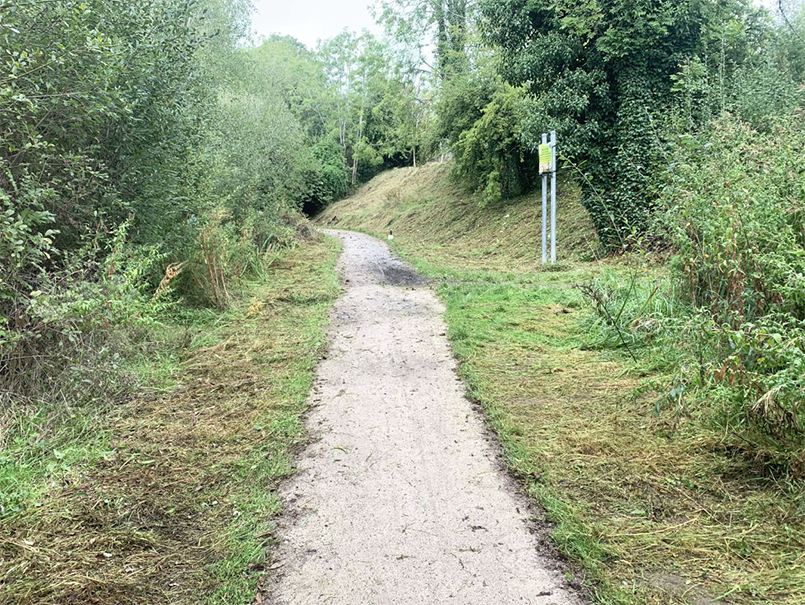
The very warm weather has continued into autumn and we have been fortunate to be able to start cutting and clearing the large grassland sections in glorious sunshine.

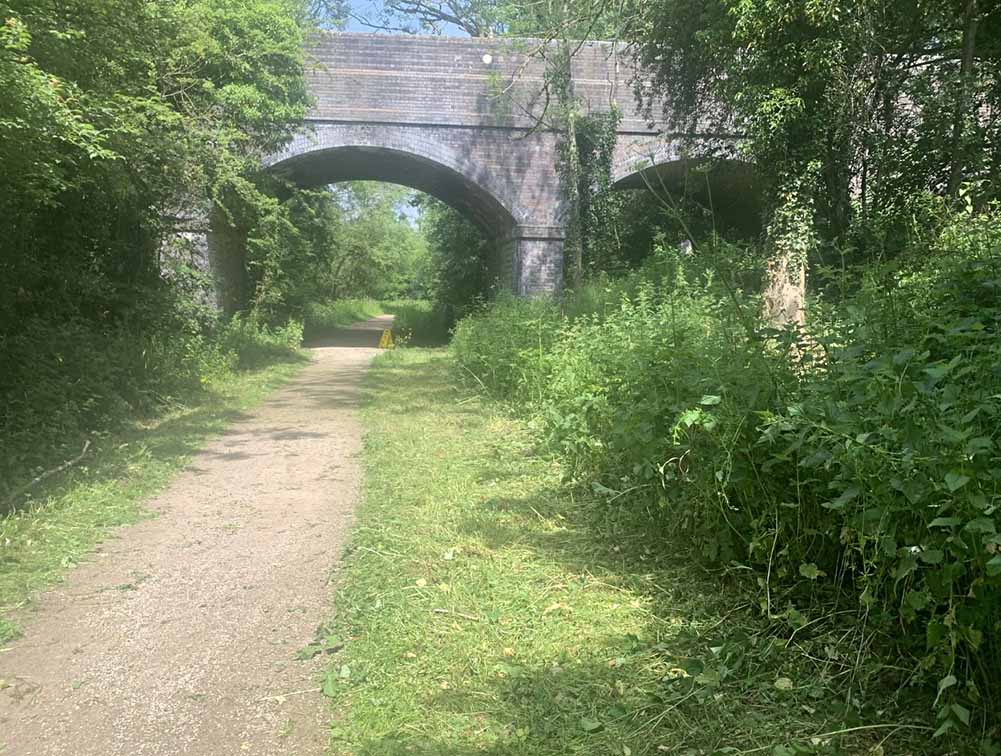
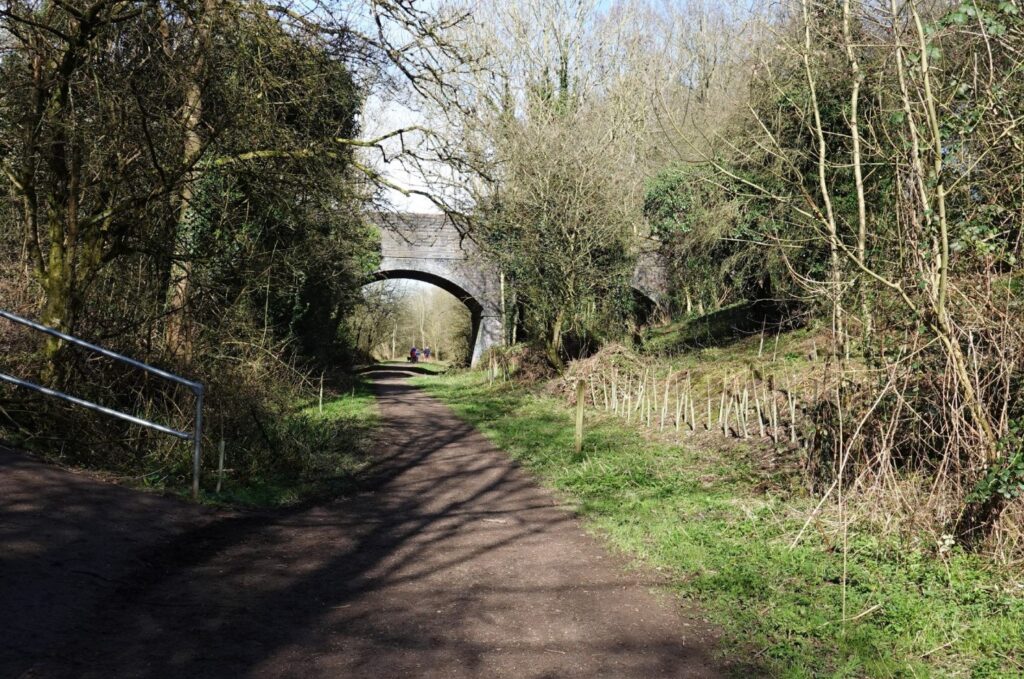
In early September we started work on the railway sidings, Tennis Bank, and the station platforms south of Hillmorton Bridge.

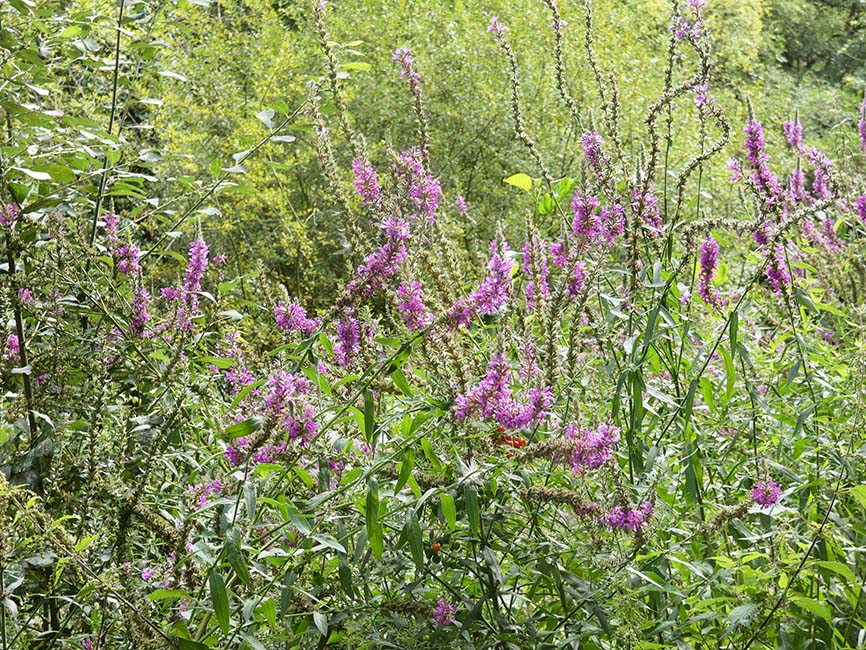
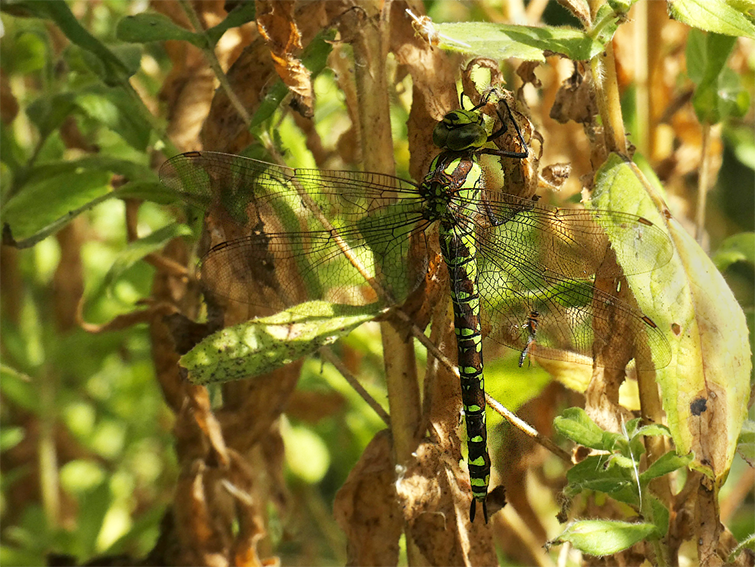
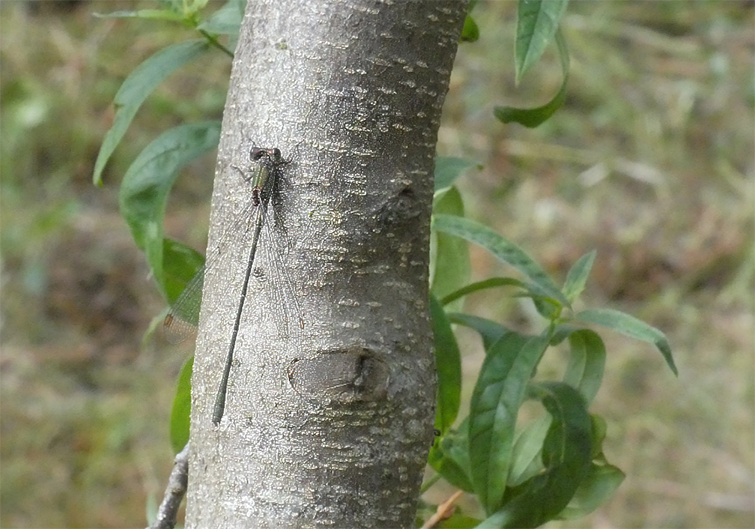
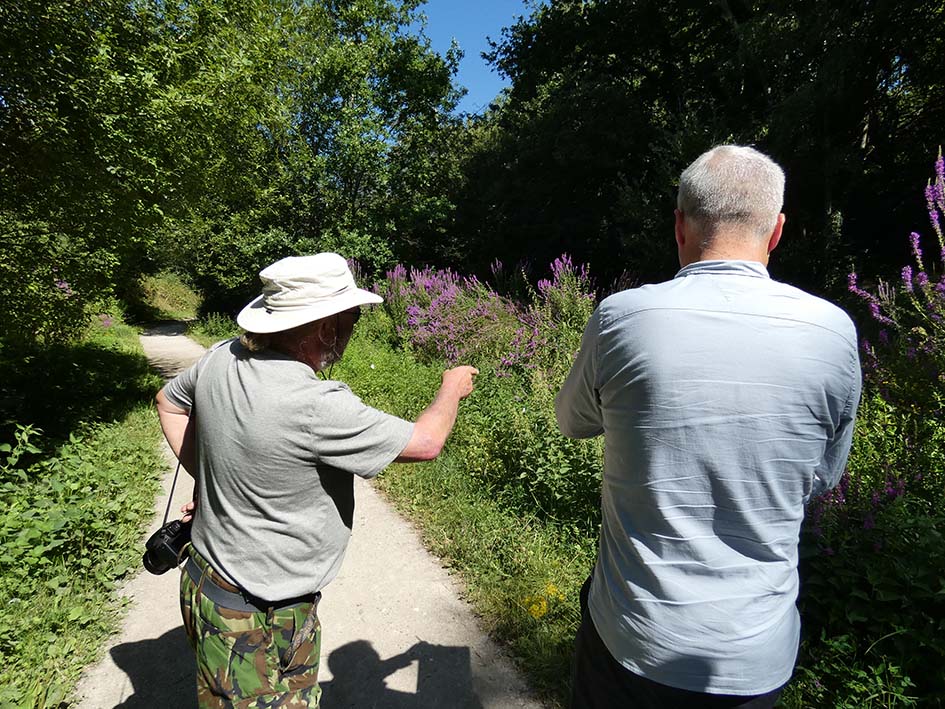
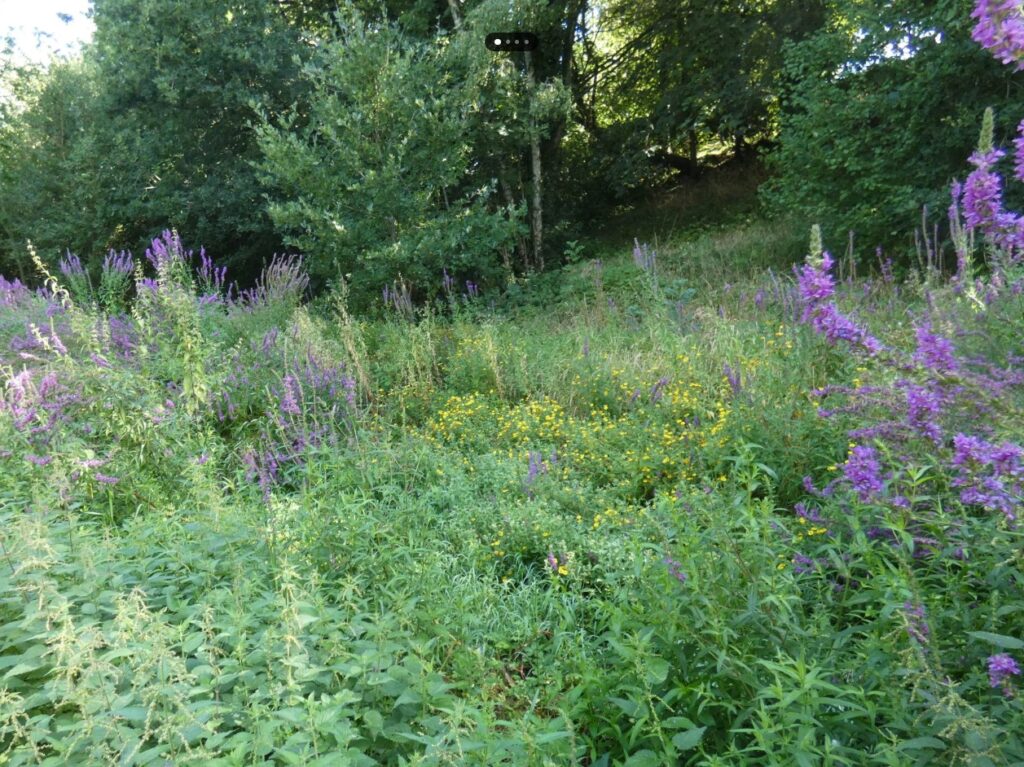
Purple Loosestrife flowers were still abundant and a female Southern Hawker dragonfly stayed long enough for a close up.

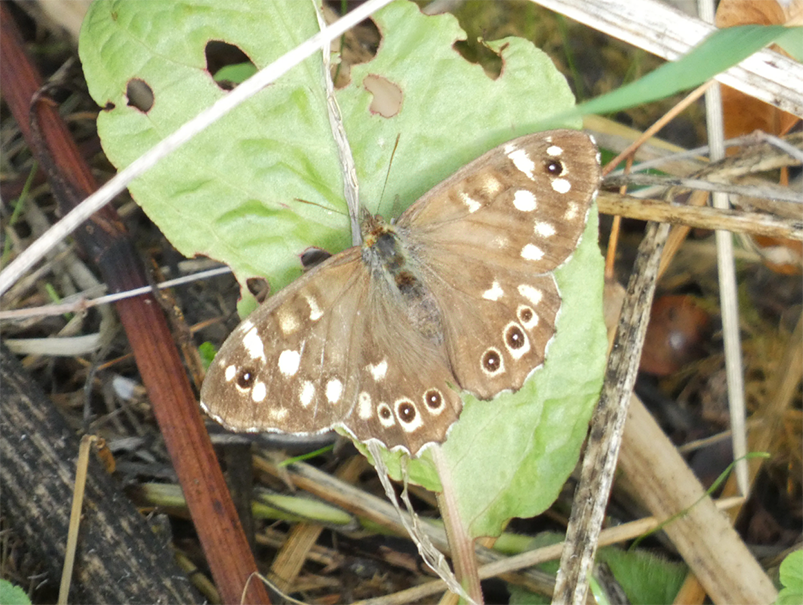
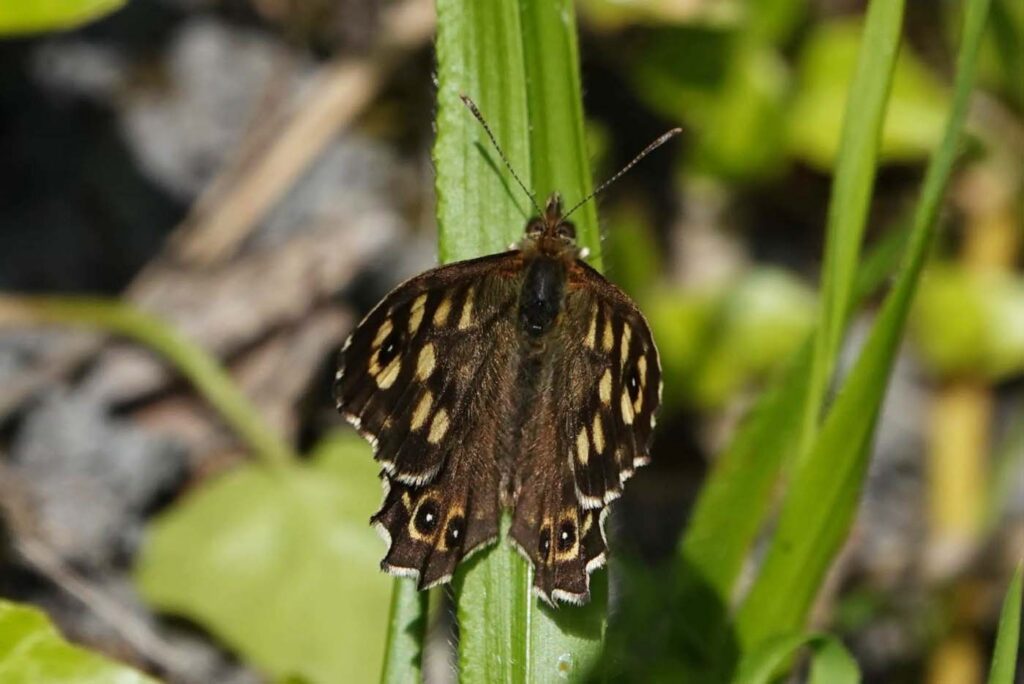
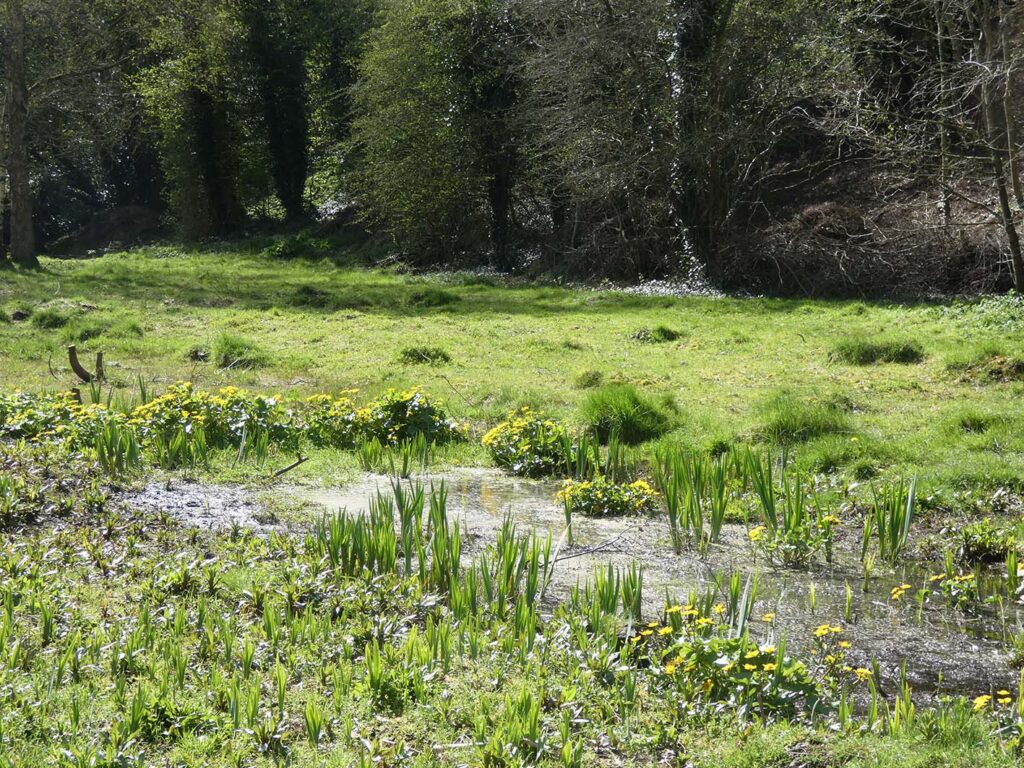
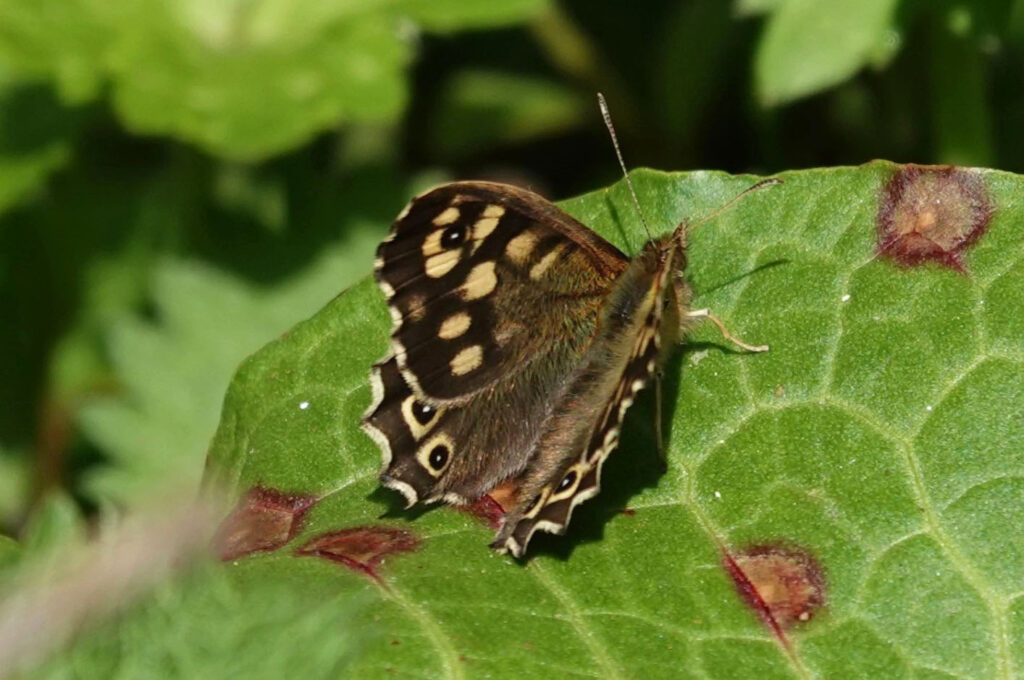
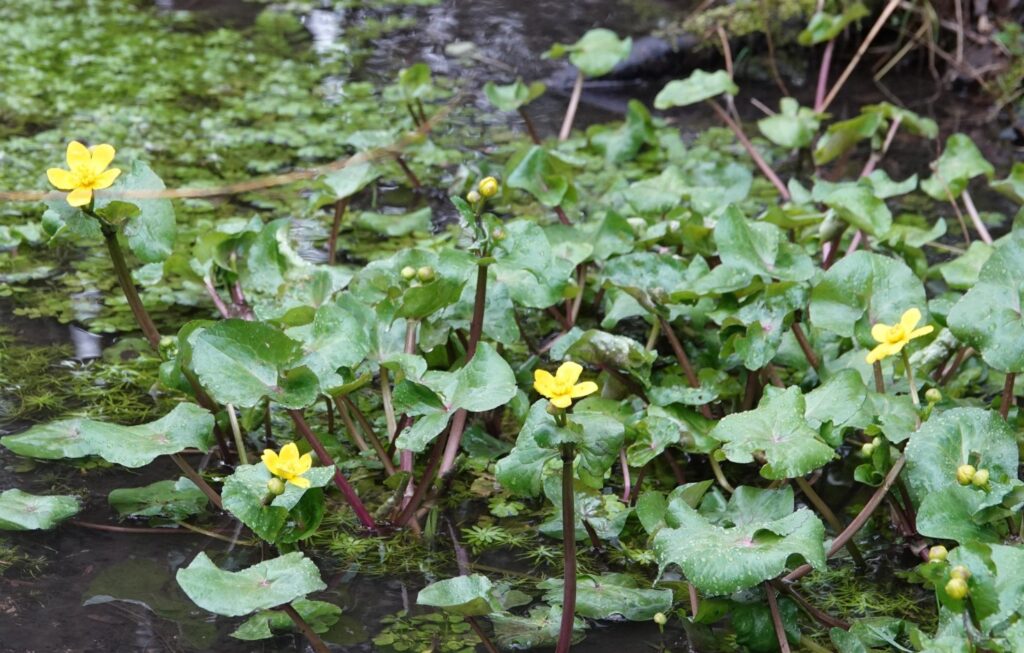
We tackled Primrose bank and cut back the overhanging trees along the platforms while Paul got to grips with some of the willow near Hillmorton bridge. Butterflies still plentiful including this Speckled Wood. Also an early Marsh Marigold.

By mid to late September we were clearing the Healthy Living Walk and Tennis Meadow. The bramble clearance took a while.

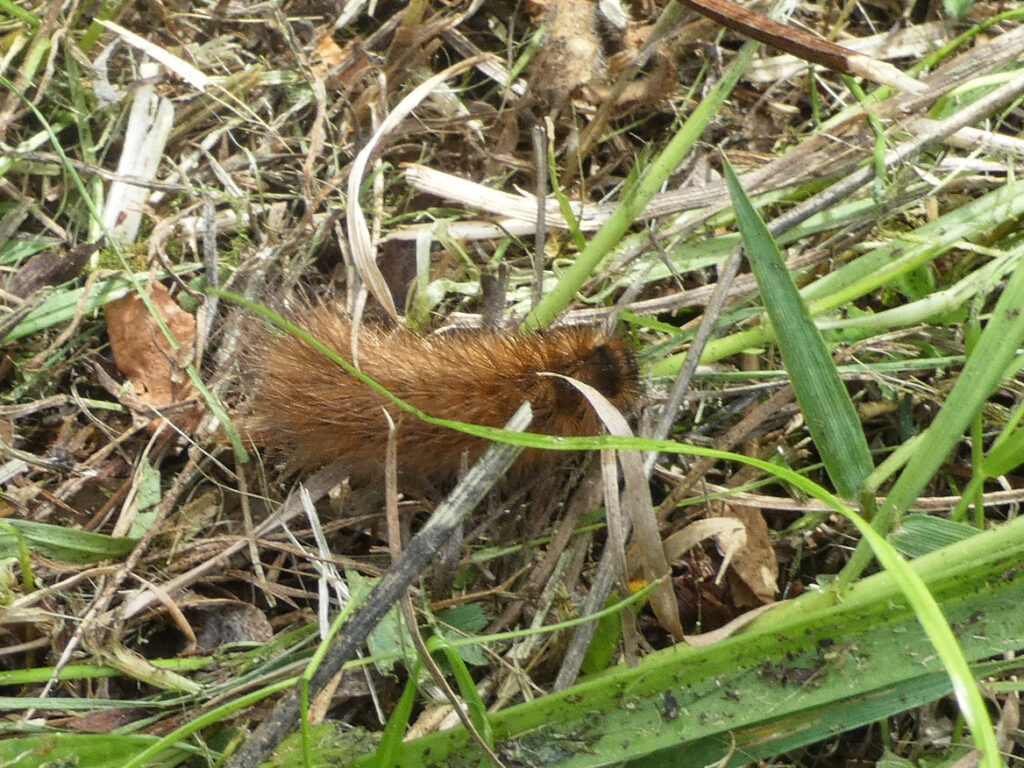
We moved down to the grassland section below Ashlawn bridge at the end of the month and still in warm sunshine. A Ruby Moth caterpillar enjoyed the warmth too.

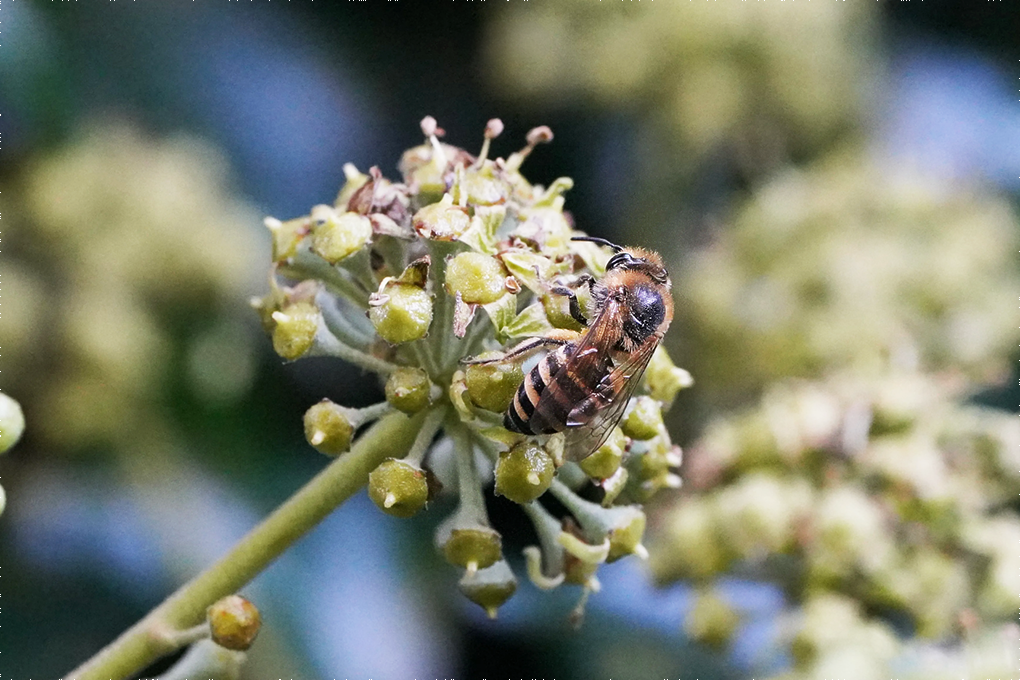
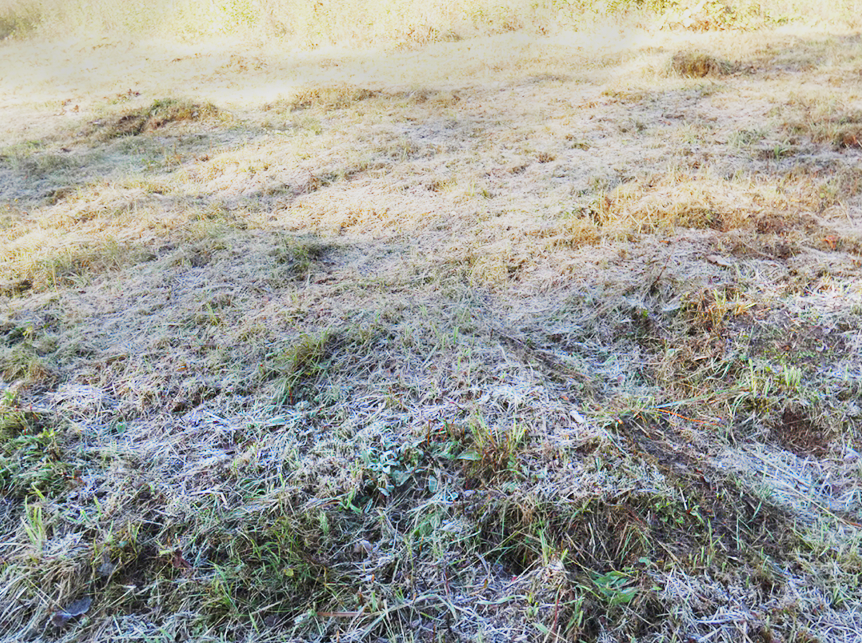
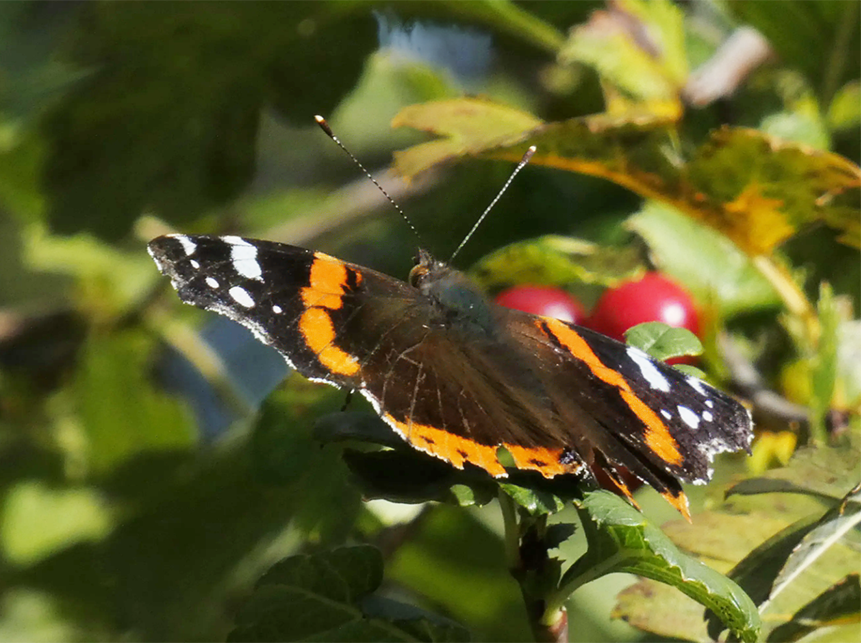
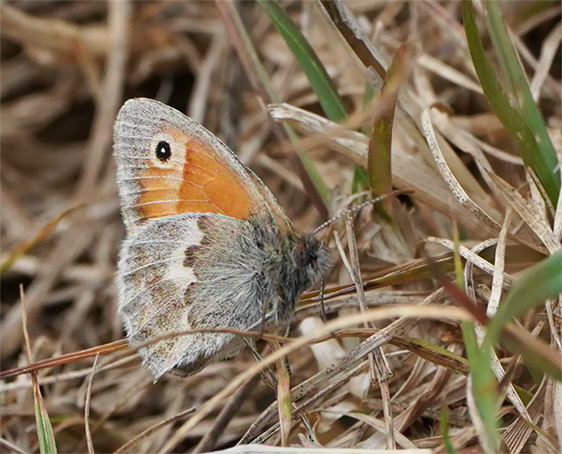
Into October and the first frost was visible when we arrived. There are still a few butterflies around in the sunshine though…

Our Sunday sessions have completed the cutting and clearance of Jolly’s Meadow.

Summer, Newbold Quarry

Although the work parties at Newbold finish in spring and start again in autumn, a visit to Newbold in mid August ensured a contractors grass cuttings were raked off, additional pockets of grassland were cut and some butterfly spotting was enjoyed.

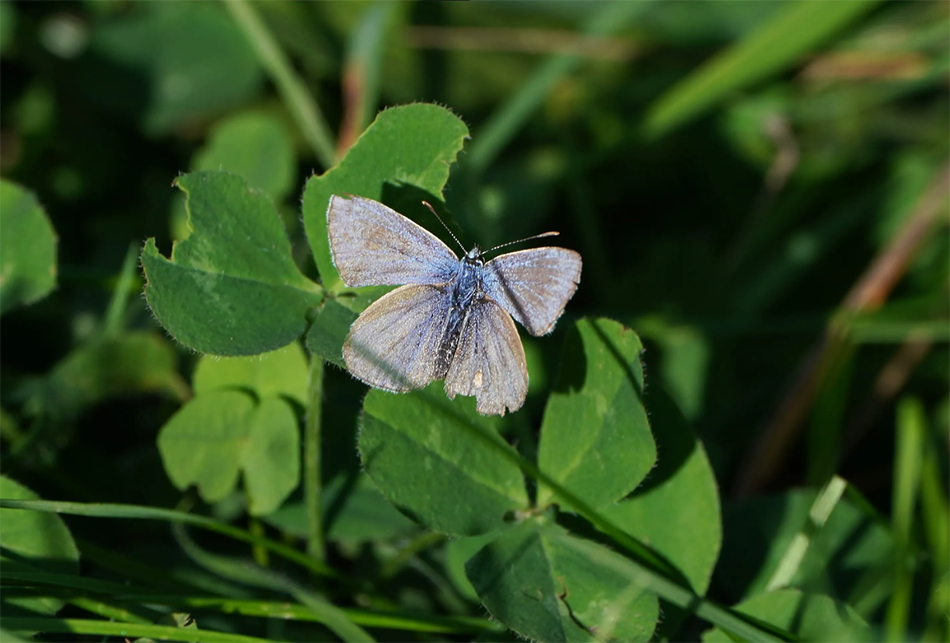
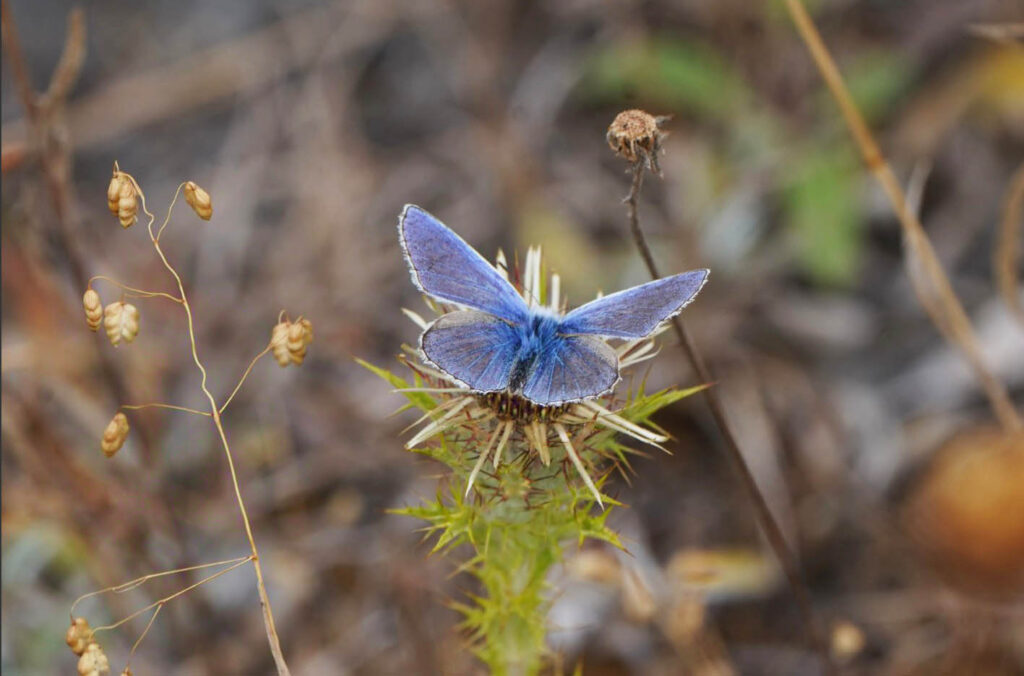
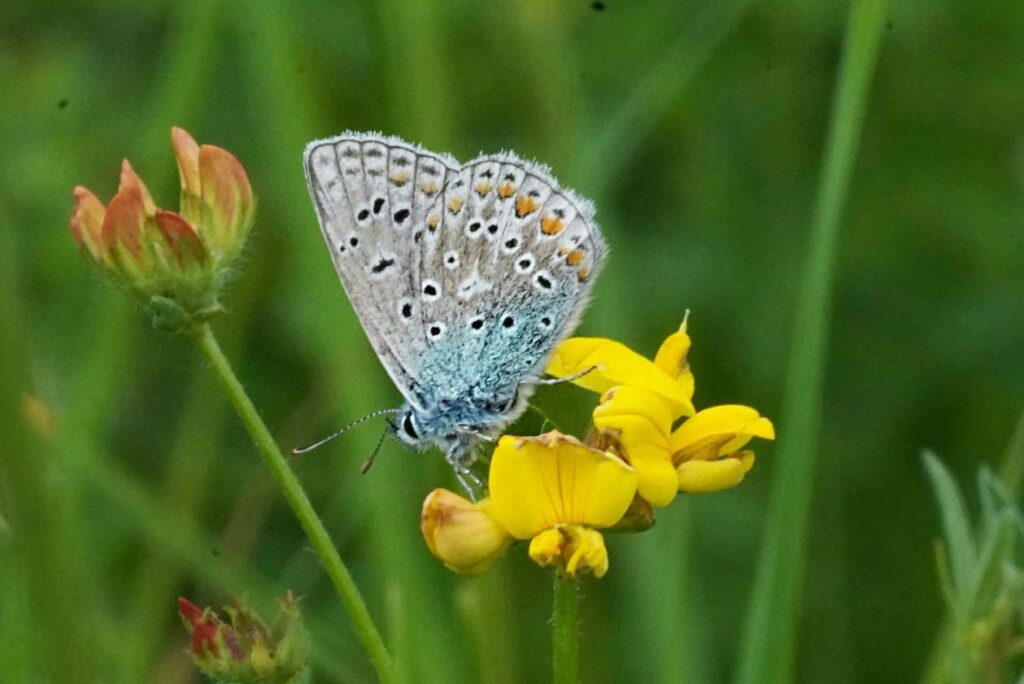
Common Blue on Carline thistle

July-August, Ashlawn

The heat continued to batter the reserve and the Ashlawn team this summer. Some work parties were cancelled due to the hot weather and in some cases work finished early and we went butterfly spotting.

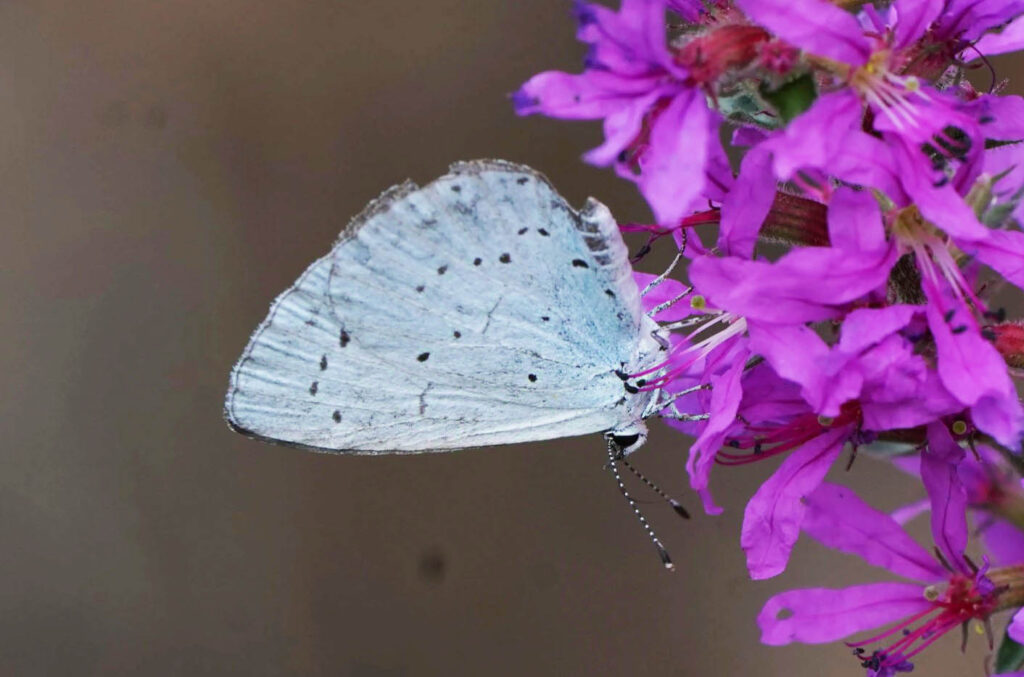
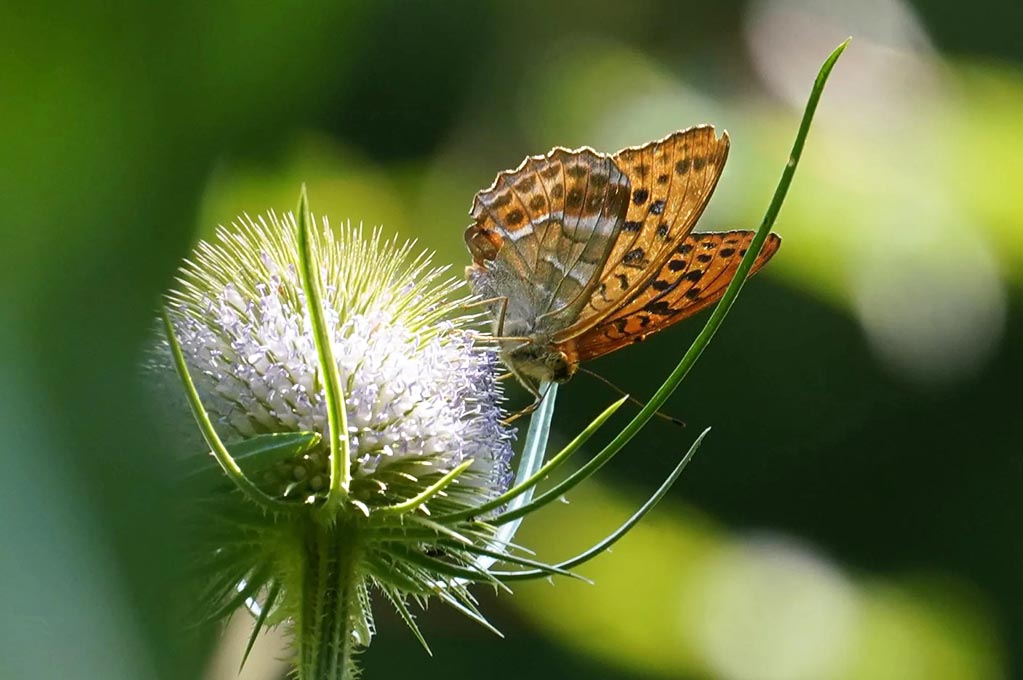
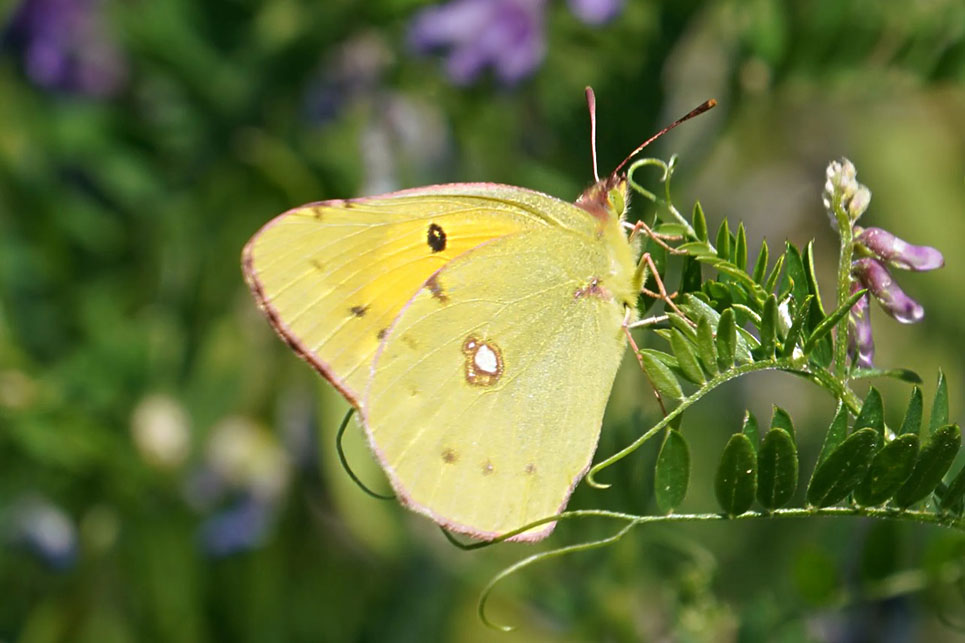
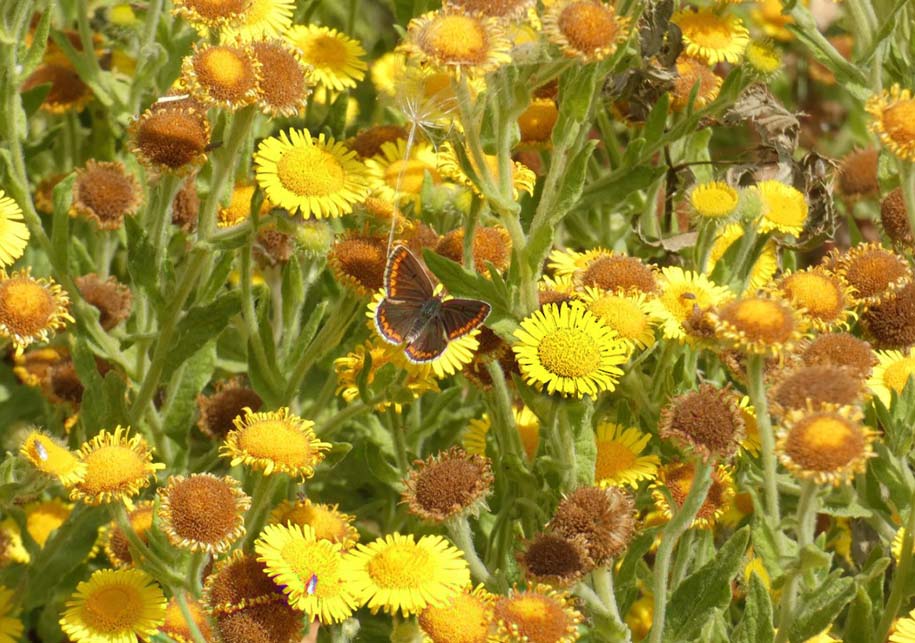
This year alongside the Silver Washed Fritillaries and numerous Holly Blues we’ve spotted a number of Clouded Yellow butterflies near the cutting.

Clouded Yellow

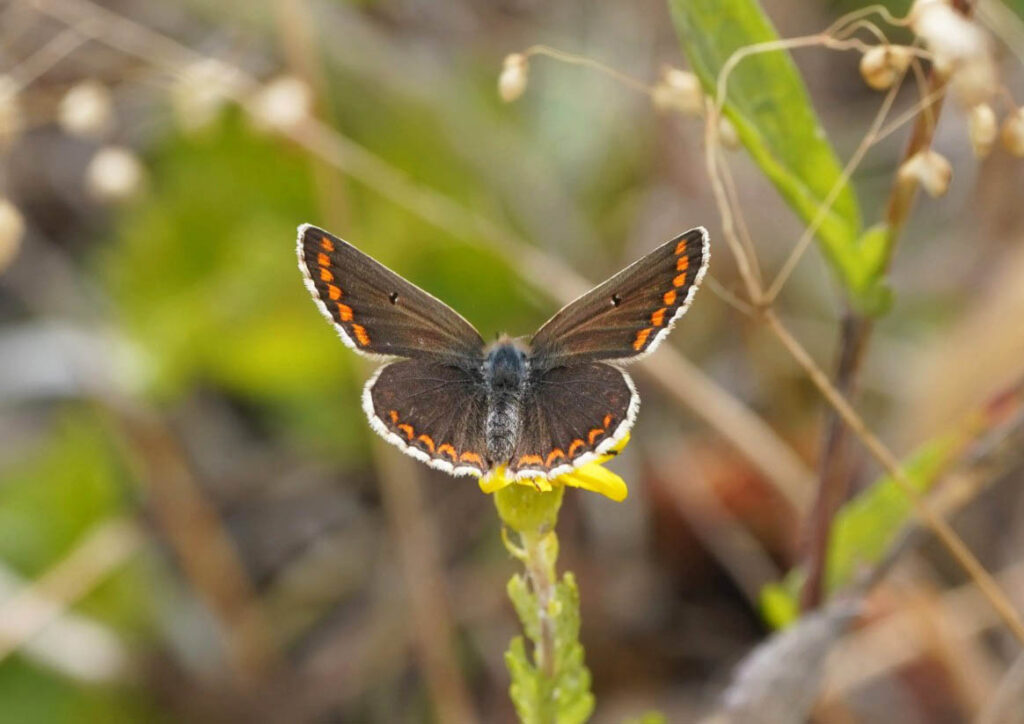
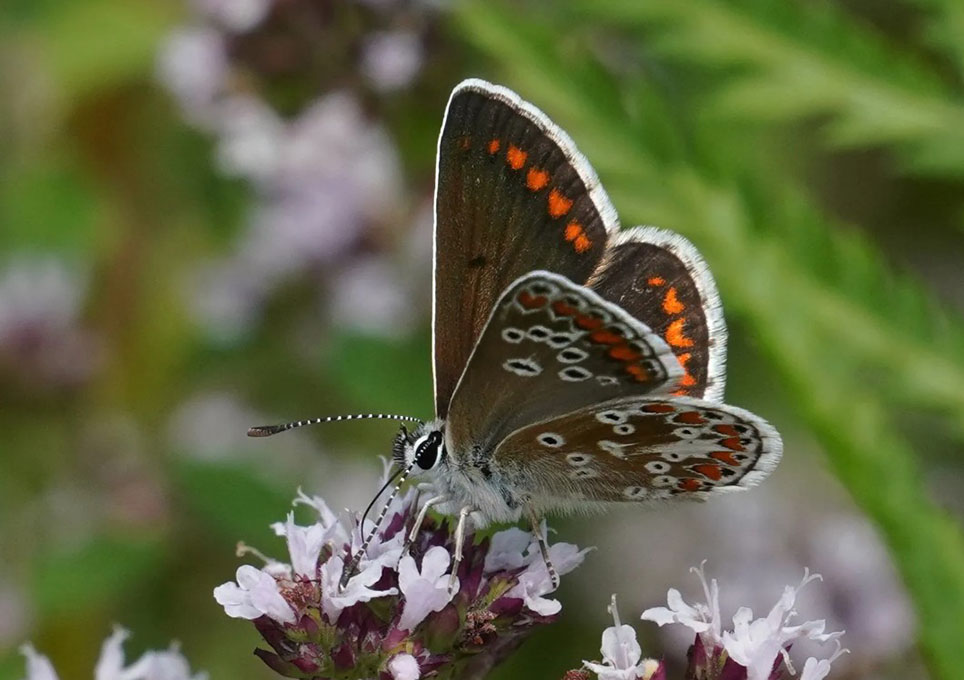
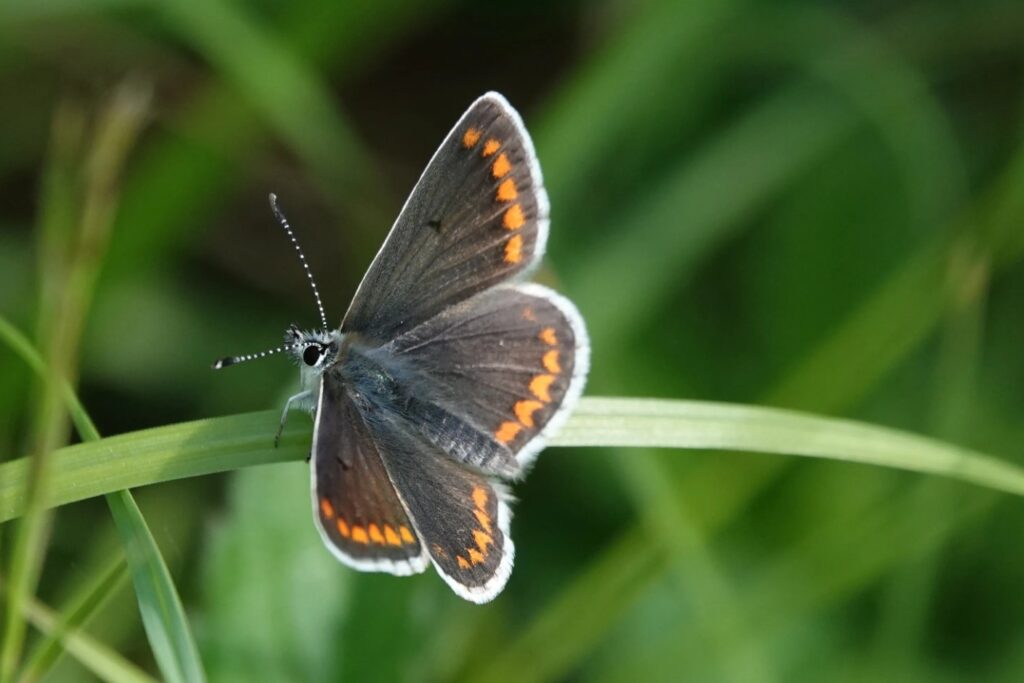
Work started on a partial cut of the long grasses at Onley Glade resulting in large piles of cuttings. However one lush corner remained and a Brown Argus completed the picture

August also saw a visit from the judges of the RHS Britain in Bloom competition. Rugby is one of three finalists. Despite the drought there were enough wild flowers around the cutting to impress.

By the end of August and on a rare rainy morning, we started to clear the northern end of the cutting.

We also returned to Onley Glade embankment. We left patches of Knapweed for shelter and bird seed.

May-June, Ashlawn

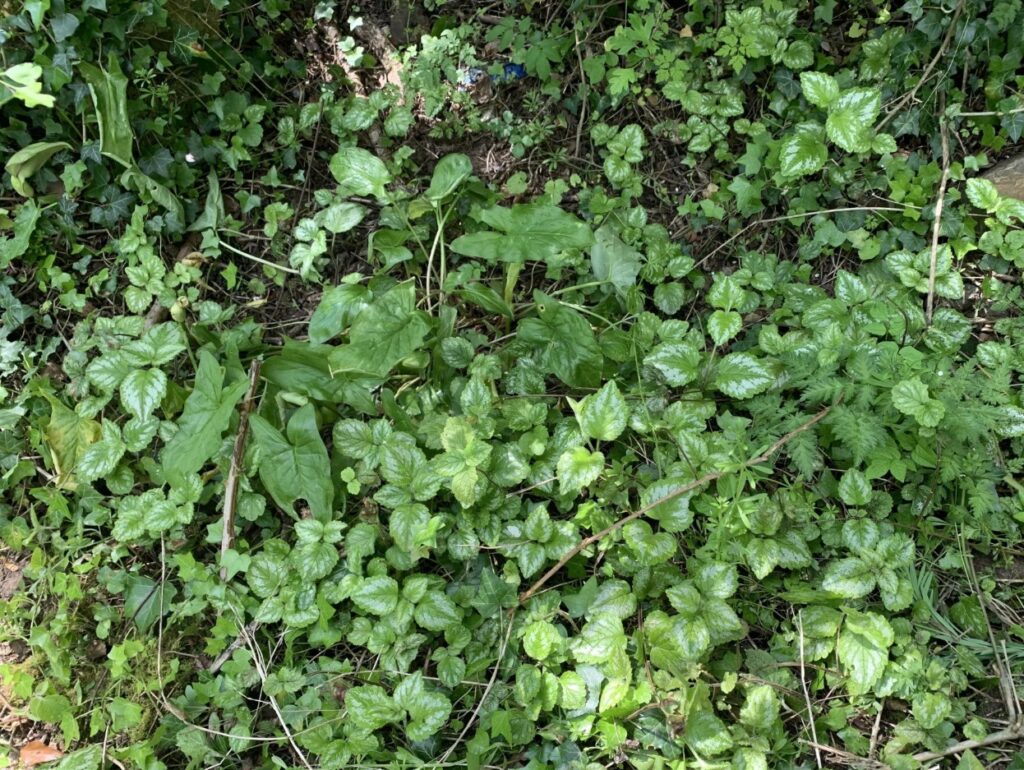
We spent a lot of May and June working in the shade as the weather heated up. We cleared large areas of the scallops and banks of invasive species such as Archangel and Fringe Cup. We reduced the exuberant plant growth beneath the canopy and on the verges to reduce the nutrients in the soil and prevent the spread of single species.

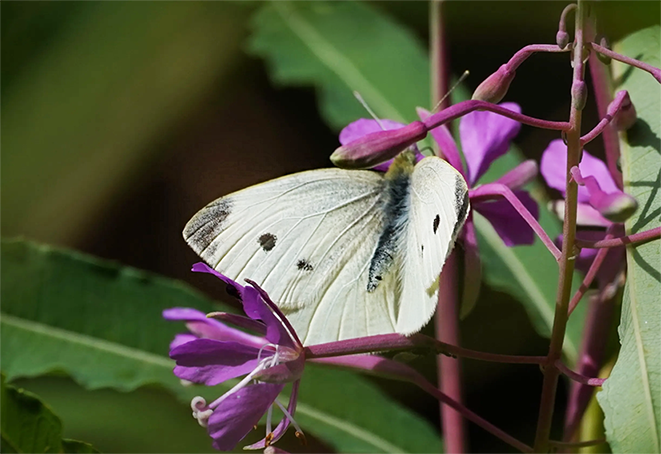
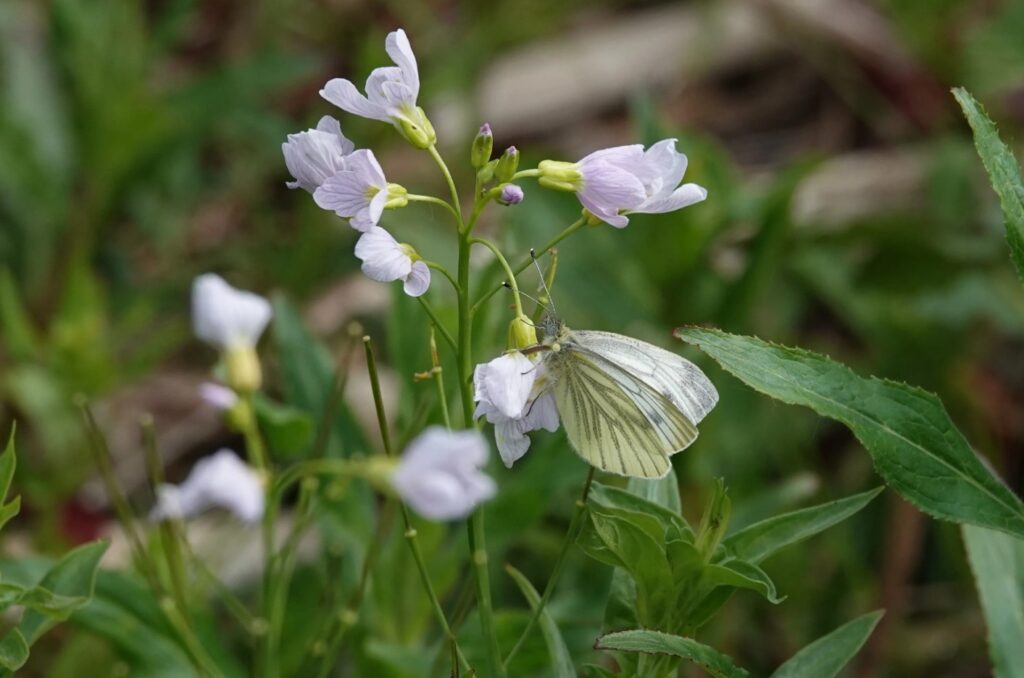
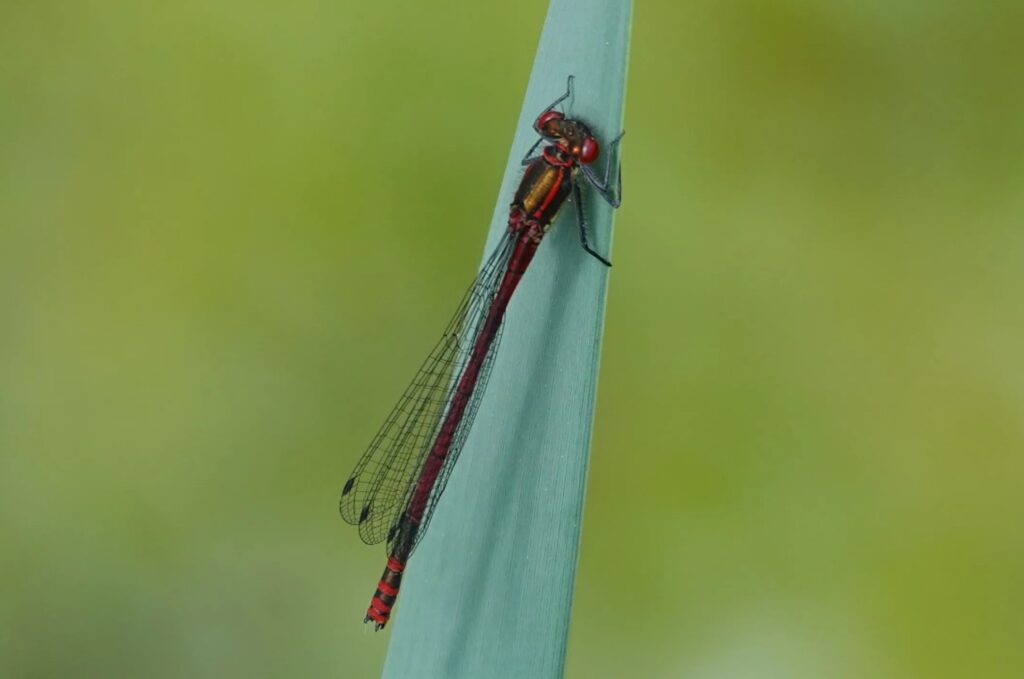
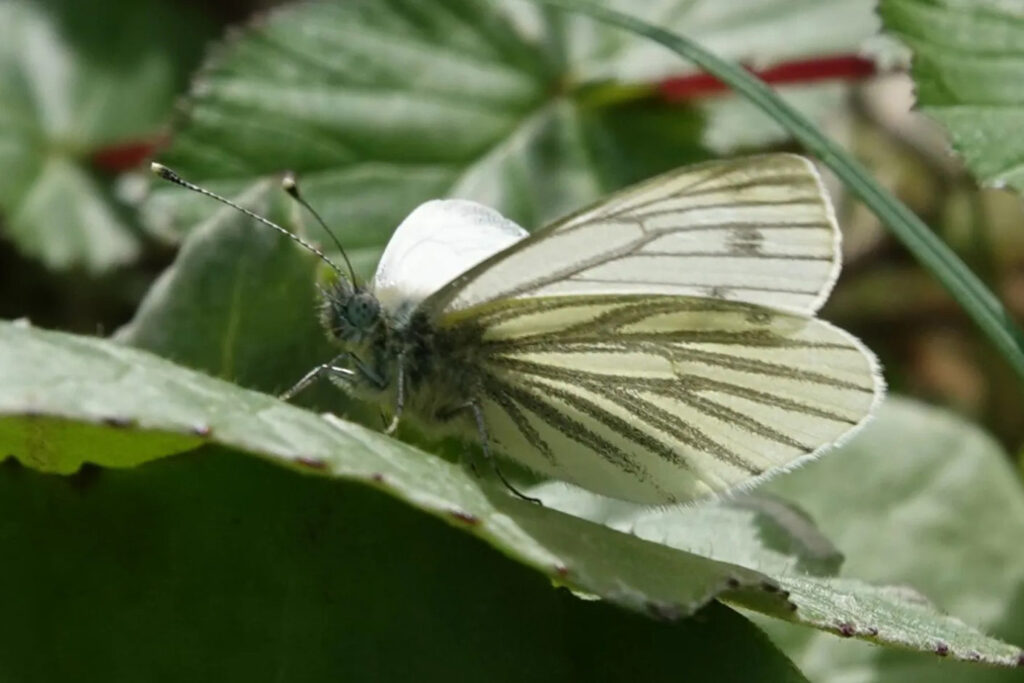
Late spring was perfect for many butterflies and we were able to see a good range around the cutting. A Brown Argus and Green Veined White were spotted in early May as well as a Large red damselfly.
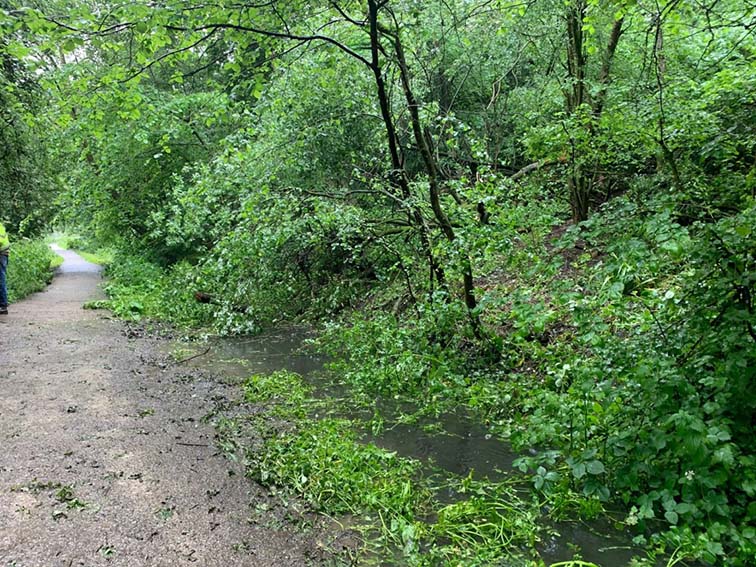
Although the heatwaves seemed never ending from May onwards, we did have a brief respite in June and one wet work party when some collapsed Elms were rescued. A cascade effect had pushed the trees down the bank and onto the path.

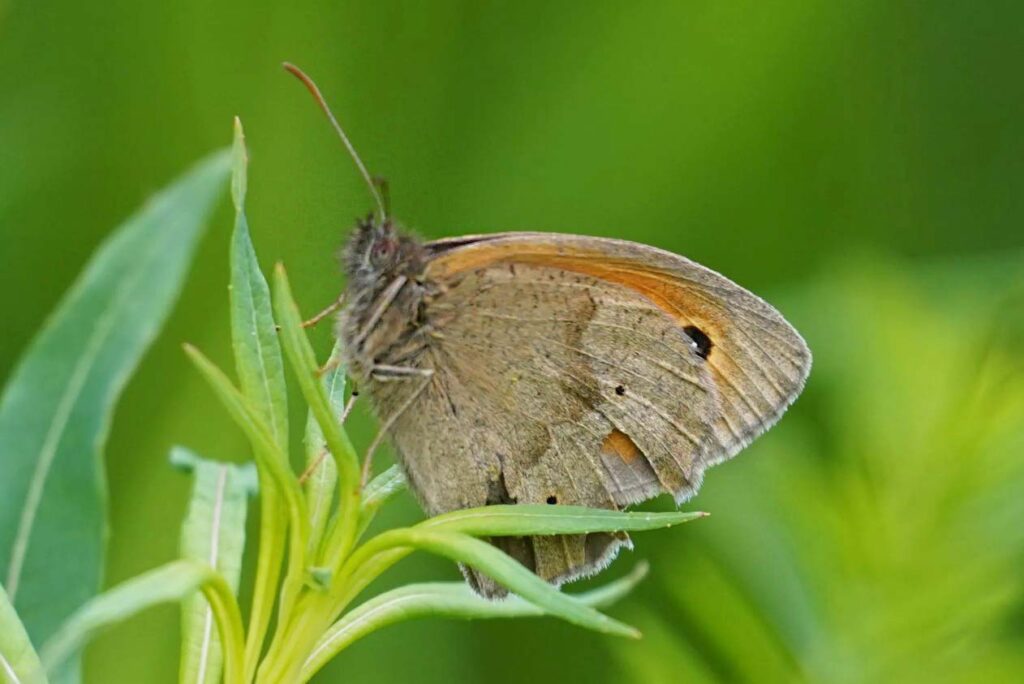
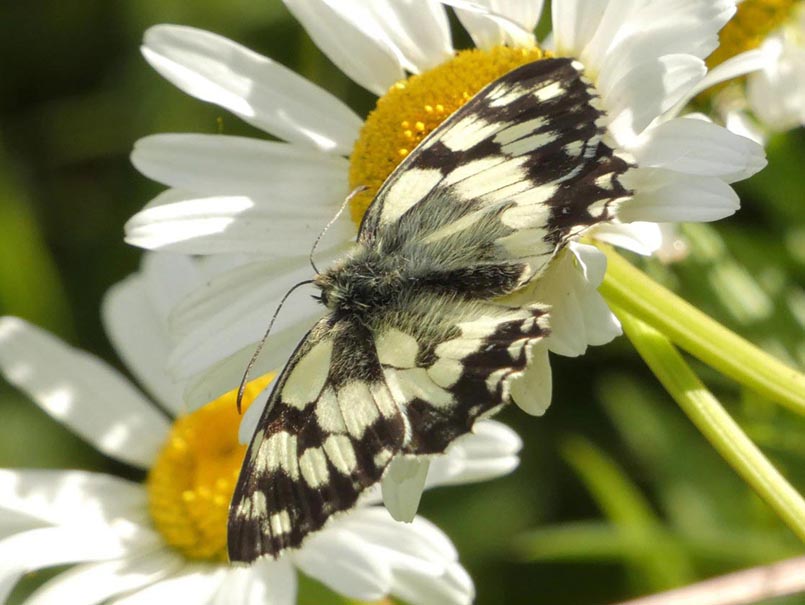
The first Meadow Brown seen on 1st June and a Marbled White in mid June

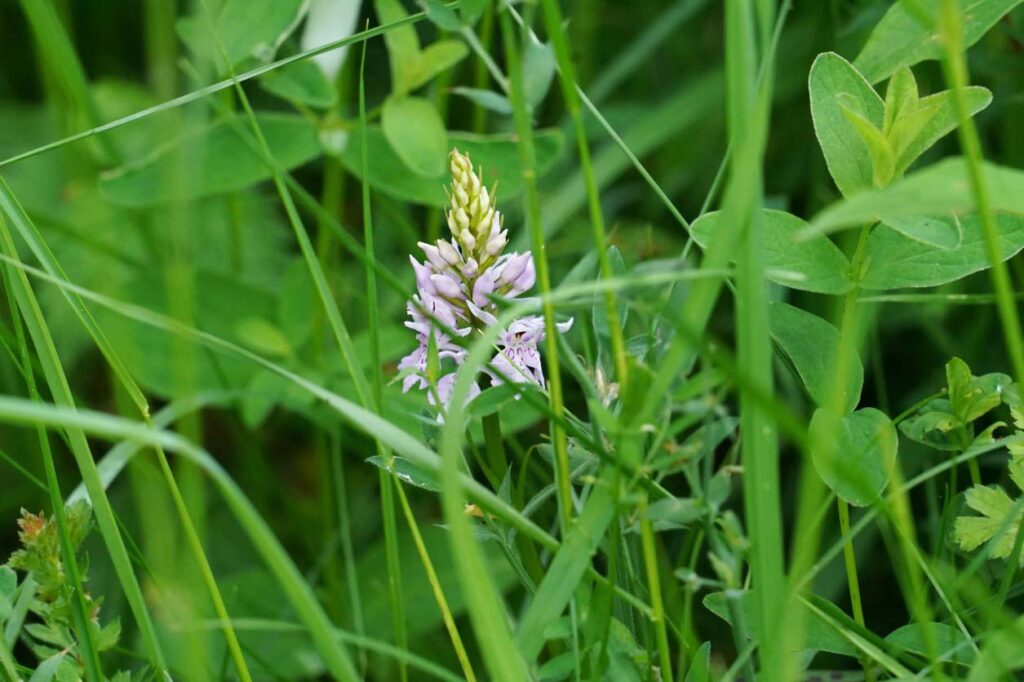
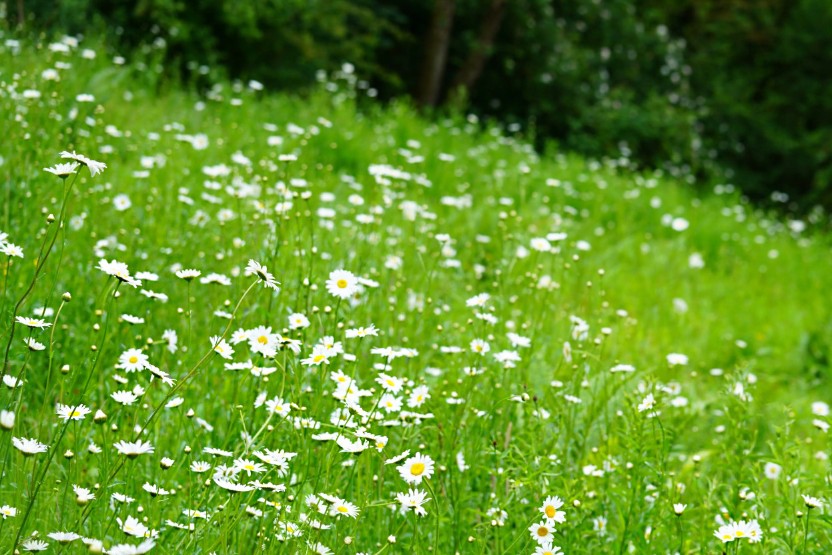
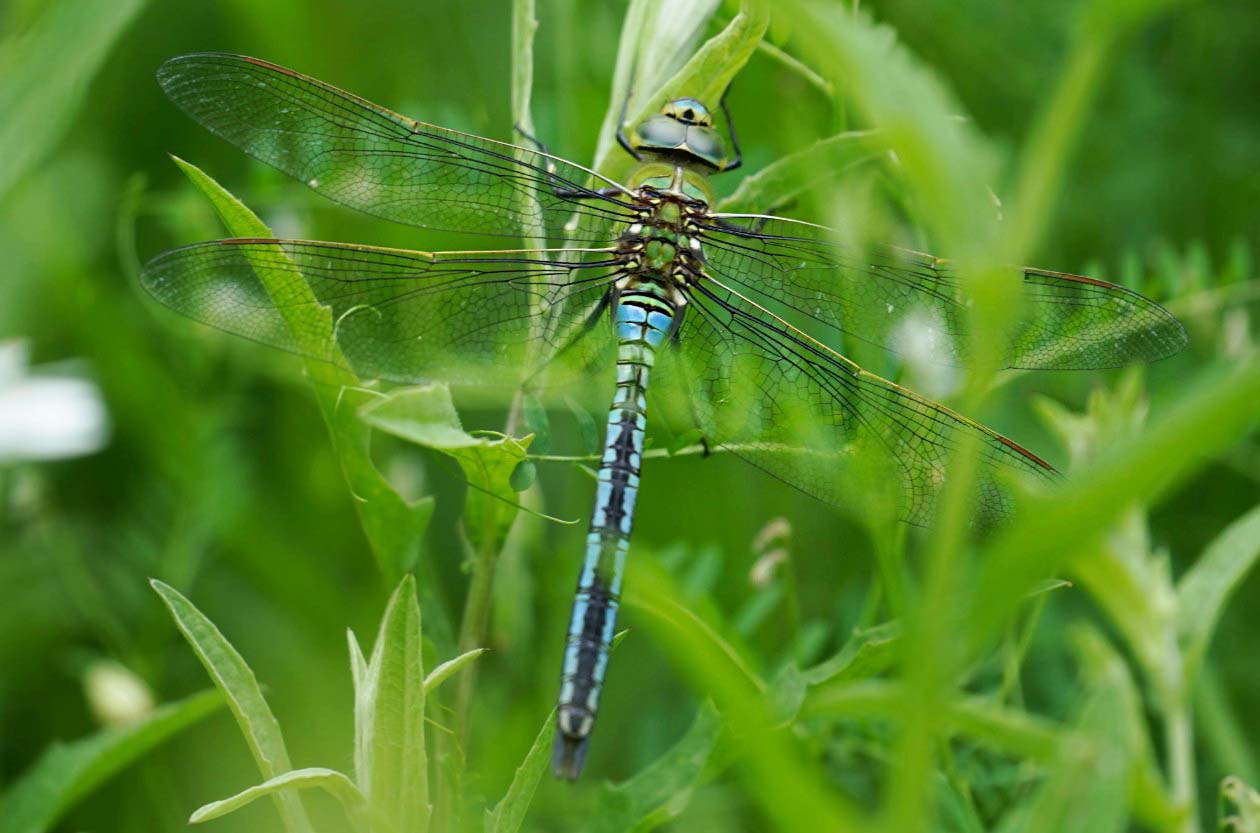
Newly flowering orchids were spotted near Ashlawn Bridge and the grasslands were filled with Ox-Eye Daisies. Dragonflies also enjoyed the abundance of plant life and an Emperor sat for long enough to have a photograph taken.

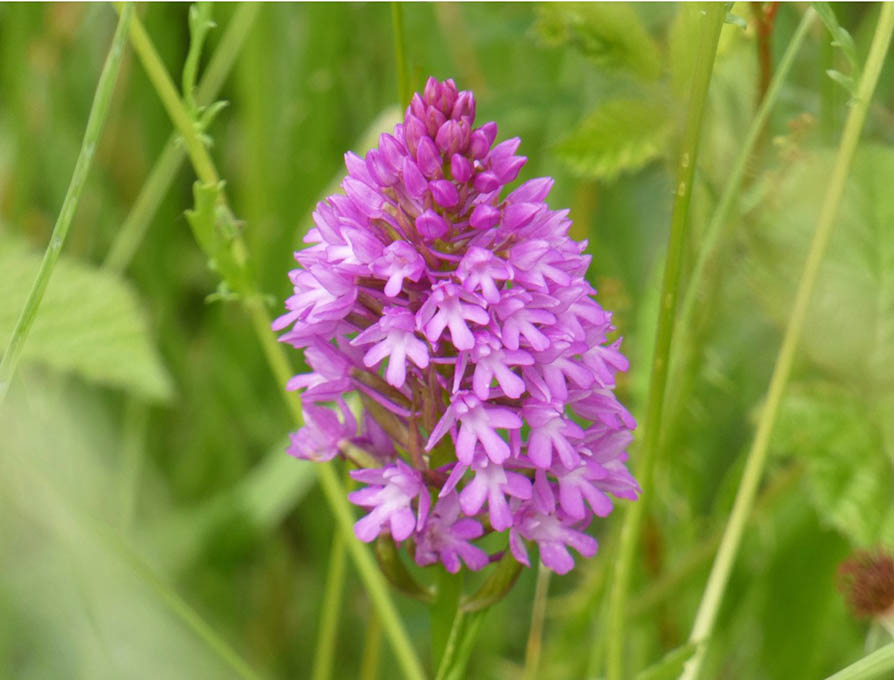
Rarer Pyramidal Orchids were spotted further south on the cutting.

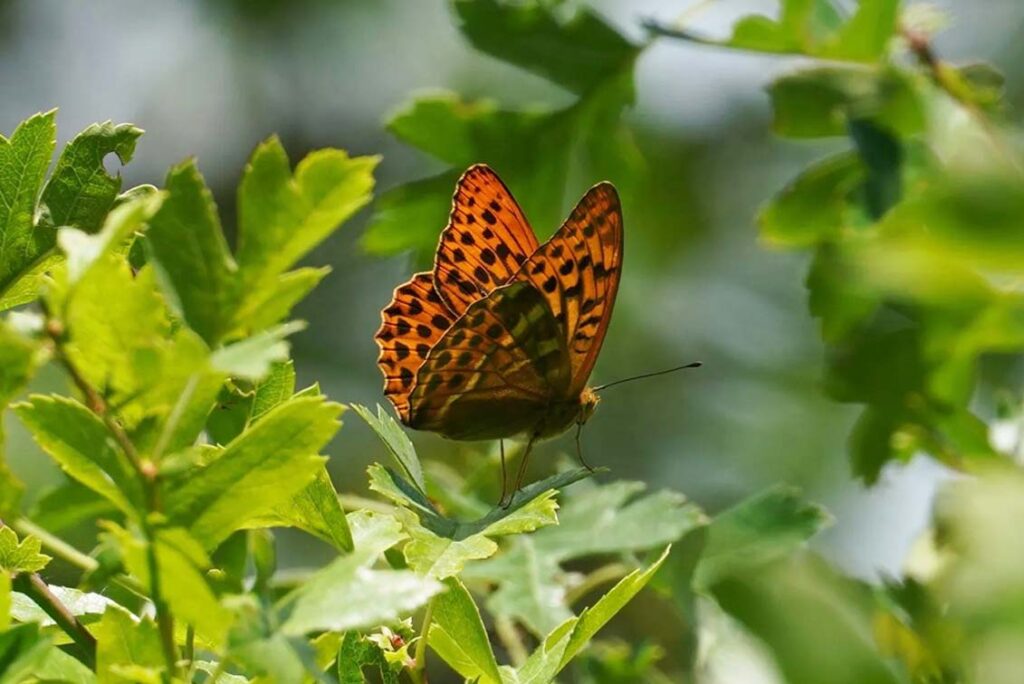
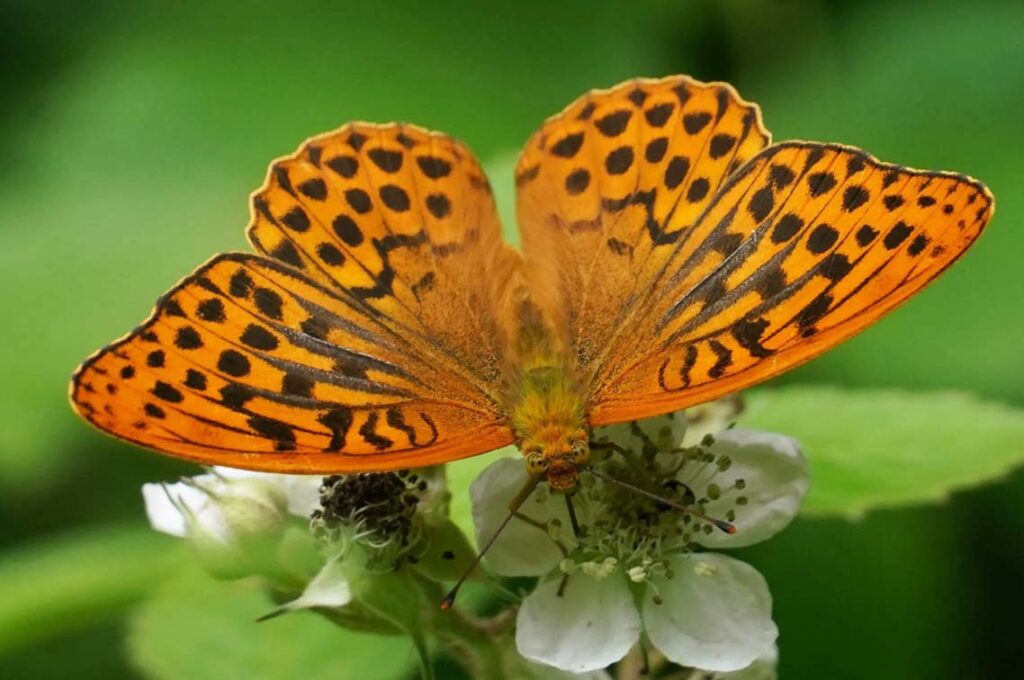
The first of this year’s Silver washed Fritillaries made an appearance in mid-June too.

Spring at Newbold

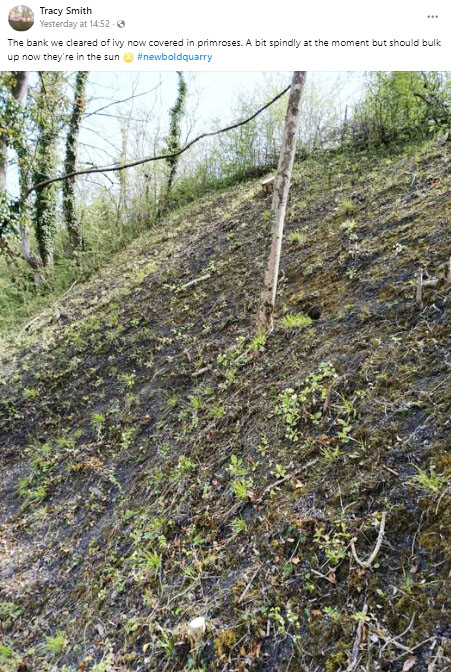
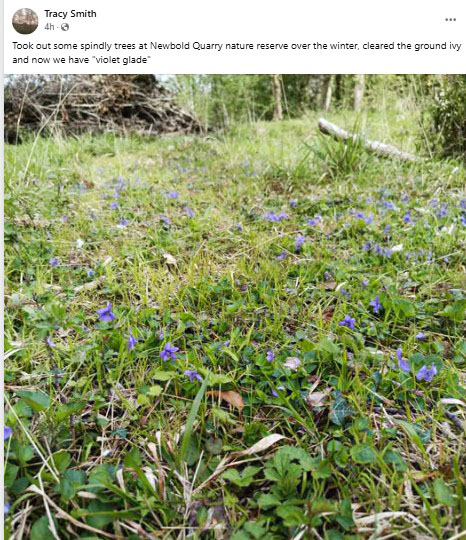
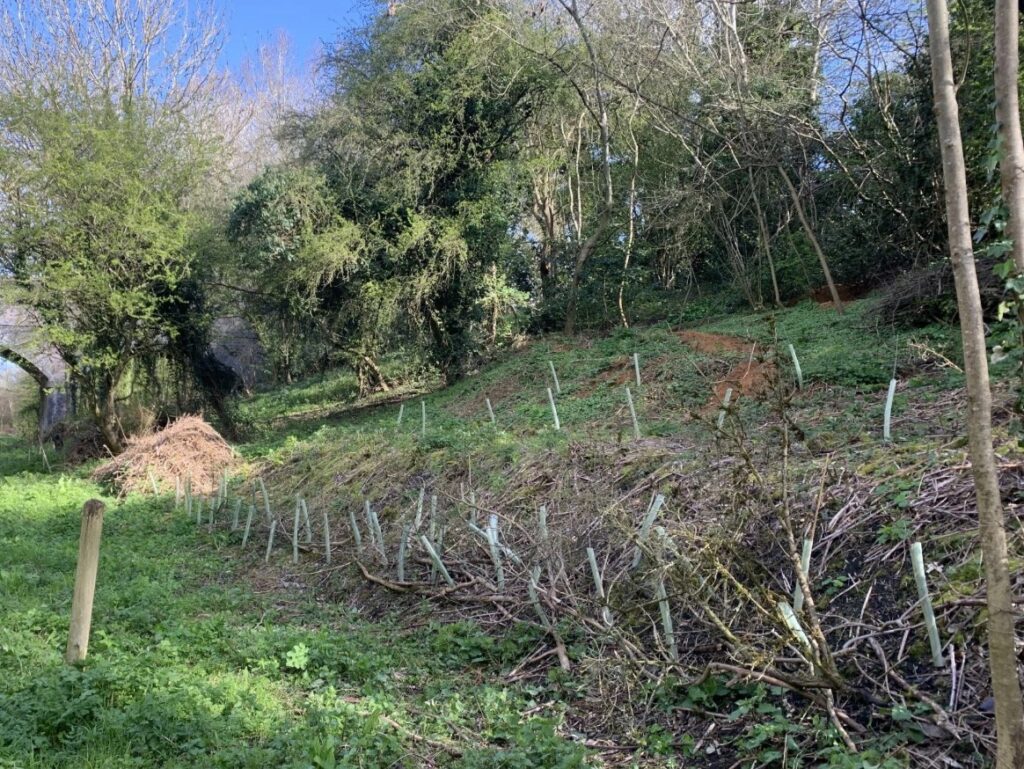
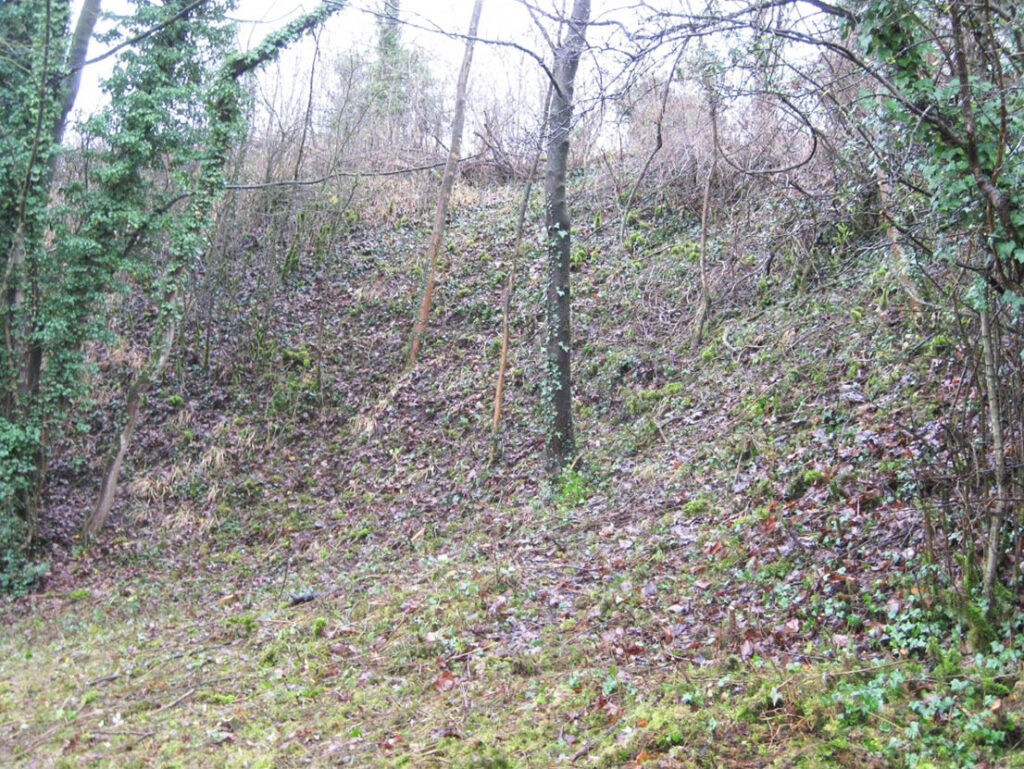
Although the winter workparties at Newbold came to an end in early March, Tracy took some pictures of the progress on the cleared slopes. Primroses and violets have appeared now that the ivy and tree cover have been removed. A success story.
A small group visited the old Lime Works near Newbold Quarry in April and some brushcutting was done to provide shorter grass for Glow-worms. The site is known for this species which prefers a mix of long and short grass.
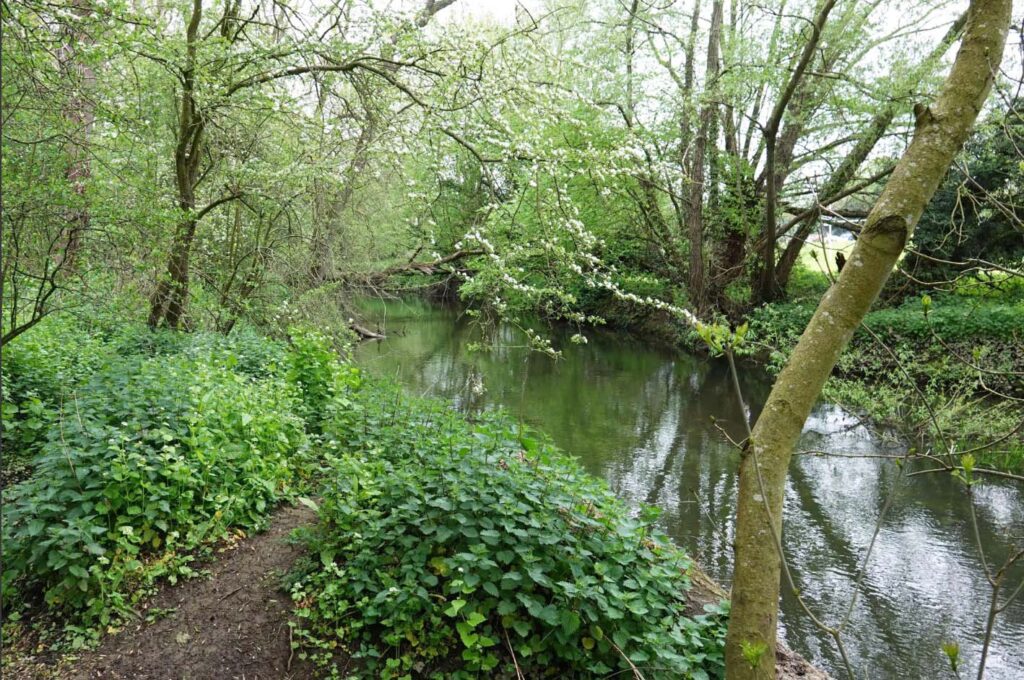
The river Avon runs nearby so the site is good for kingfishers and occasional otters.

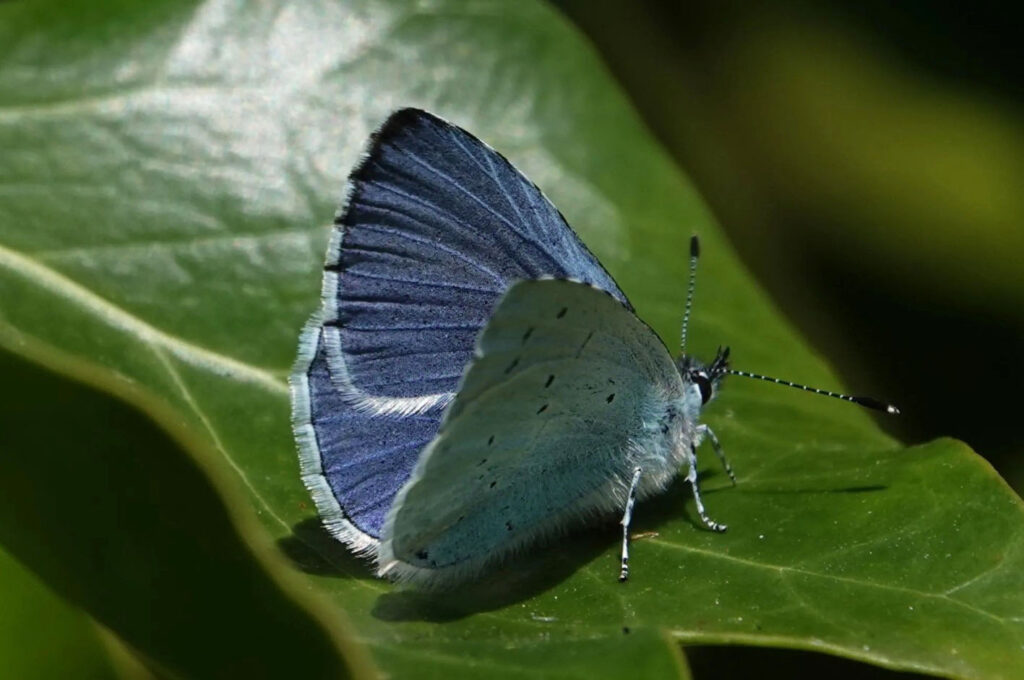
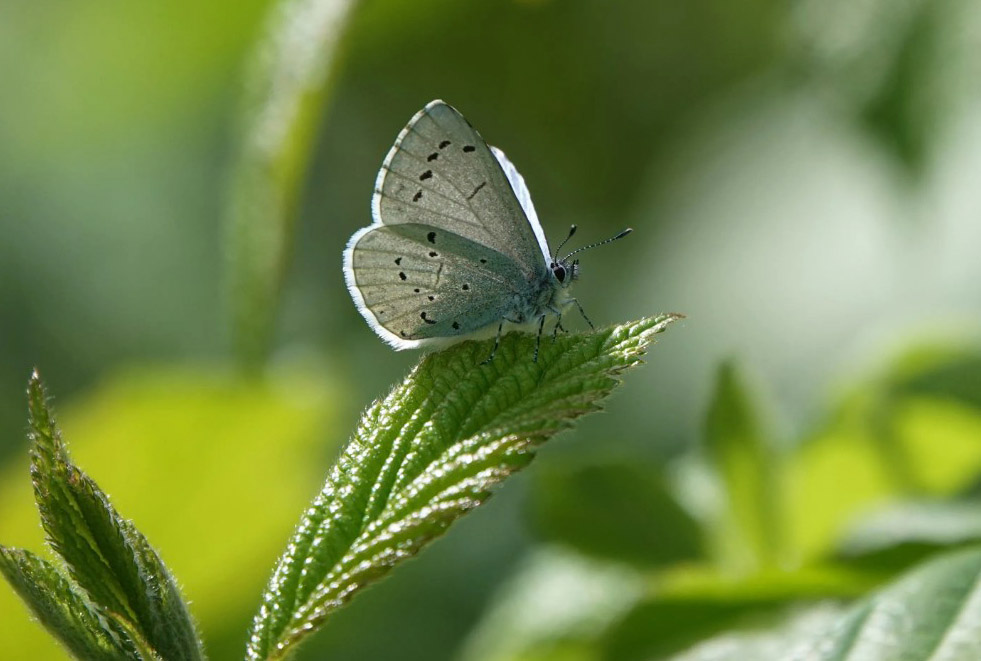
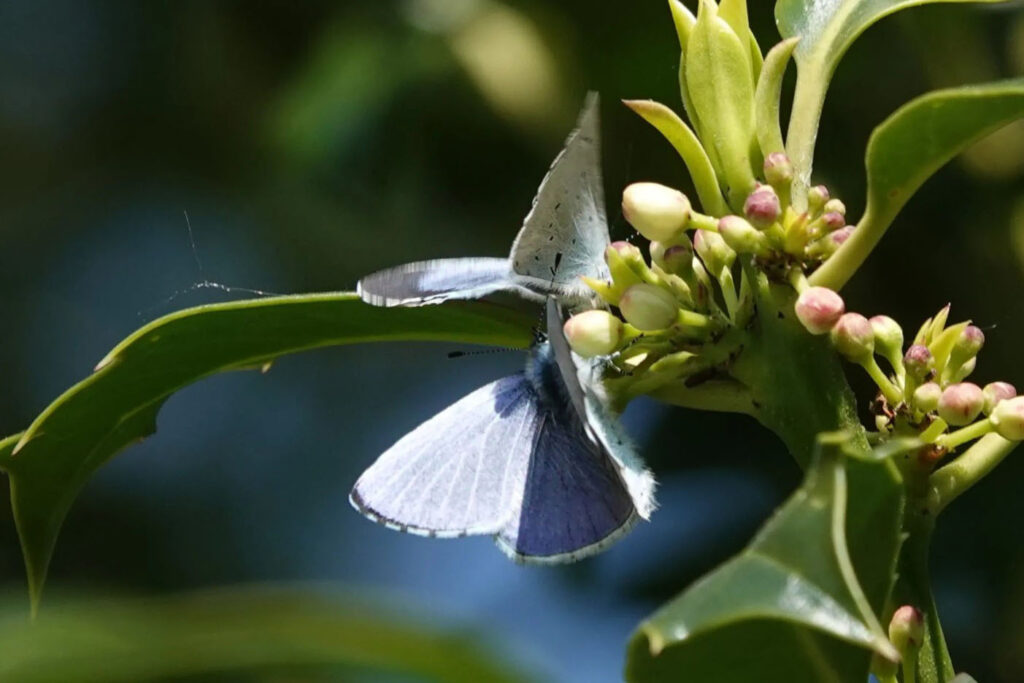
Newbold Quarry site has also seen some spring butterflies like this Speckled Wood and Holly Blue.

March-April, Ashlawn

A very wet day at the end of February brought out a few frogs in Pytchley Marsh and a curious Jay.
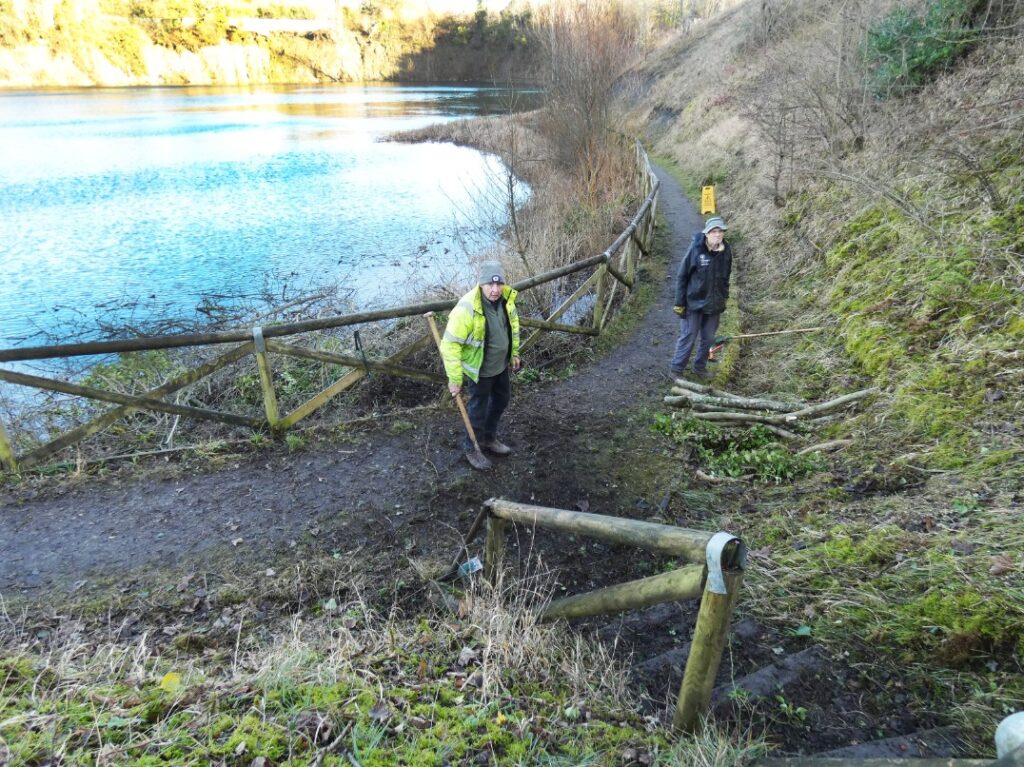
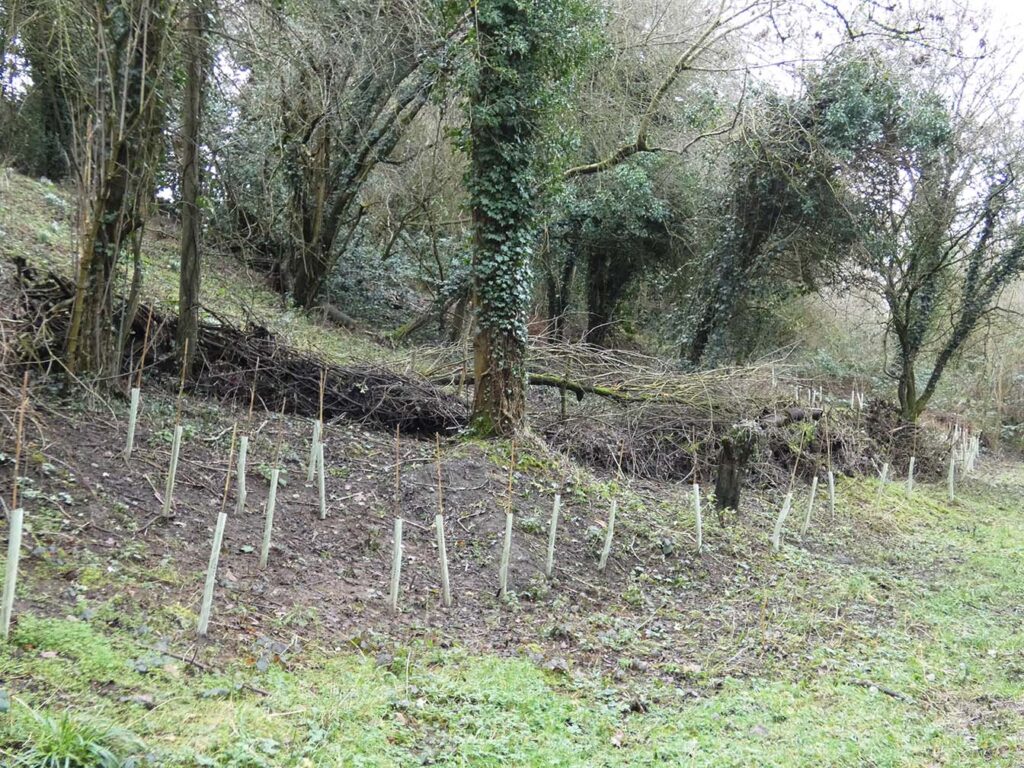
Early spring sunshine in March enabled us to clear some of the bramble just south of Pytchley Bridge and plant some young whips. Unfortunately many of the canes were removed so in early April we had to protect the bank with brash.
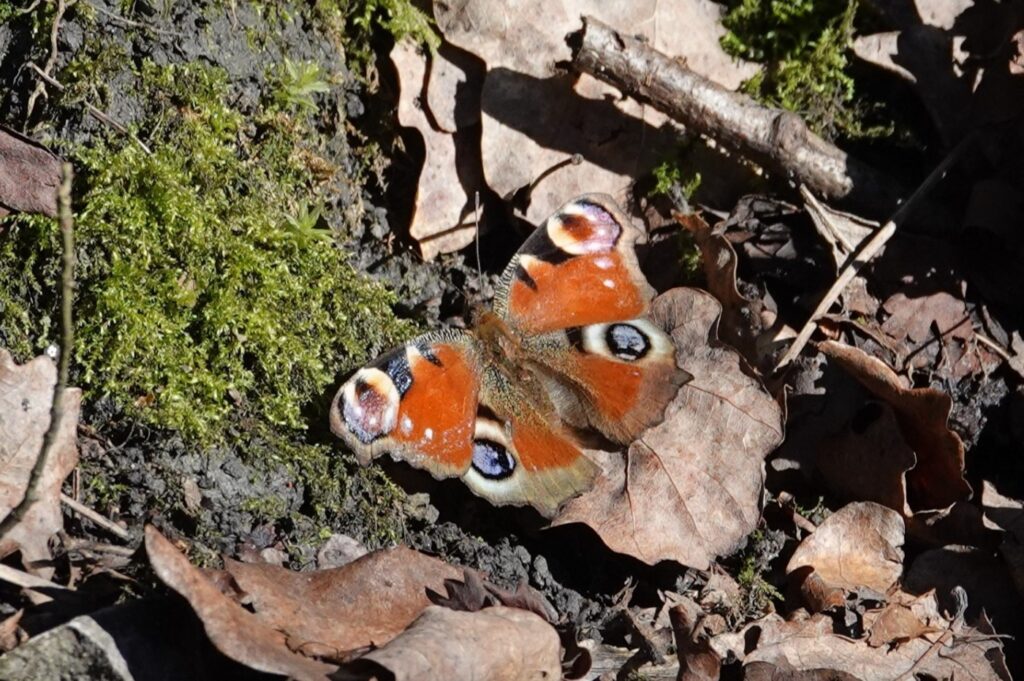
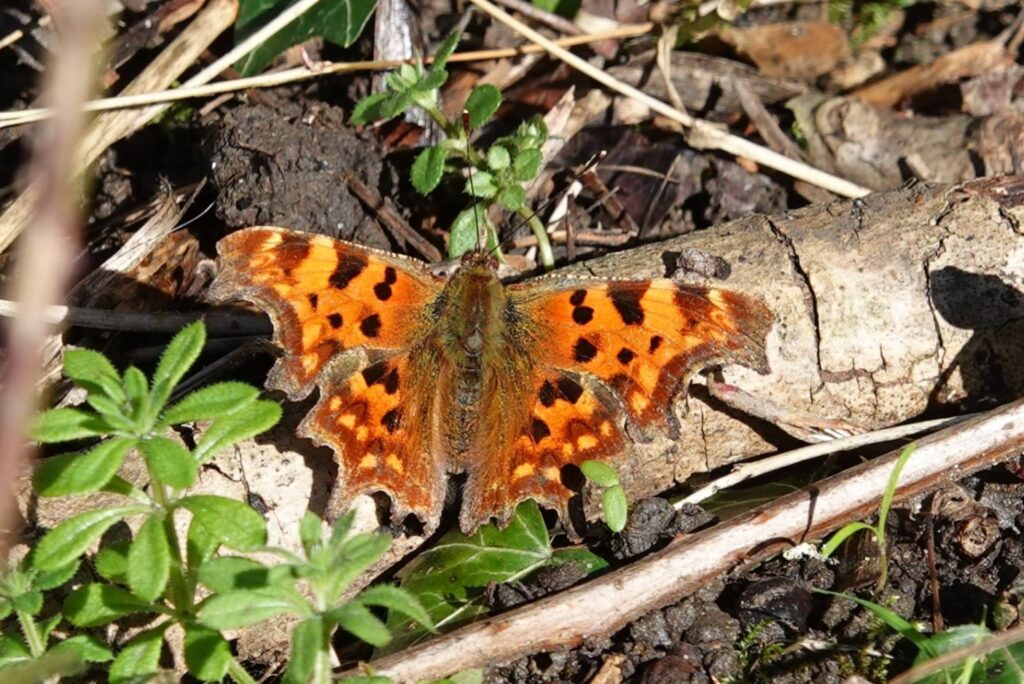
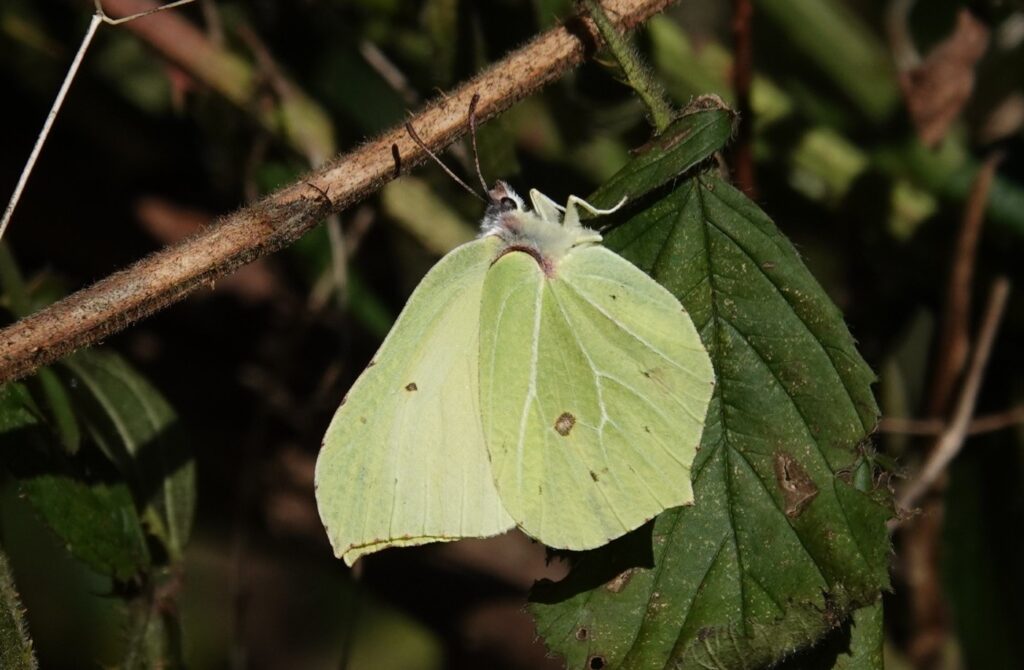
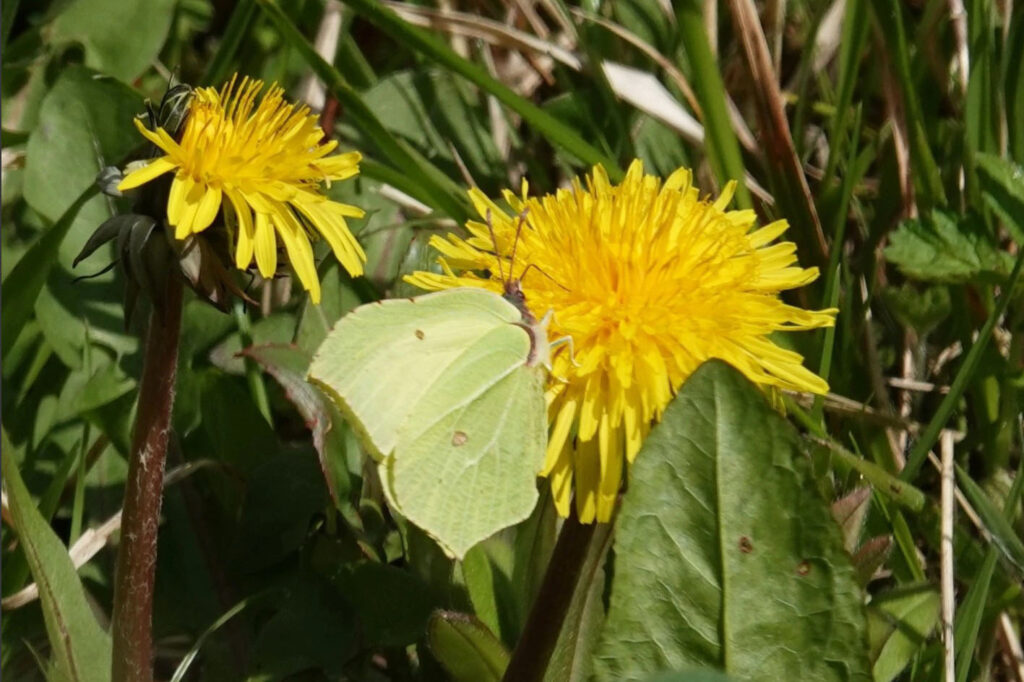
The occasional sunshine also brought out a few early butterflies including this Peacock, Comma and Brimstone.

By mid March we started clearing some of the banks of ivy and removing non native and invasive species such as Variegated Yellow Archangel, Italian Alum, and Spanish Bluebell. We also removed some of the bramble and bullrushes from the wet areas on the meadow.

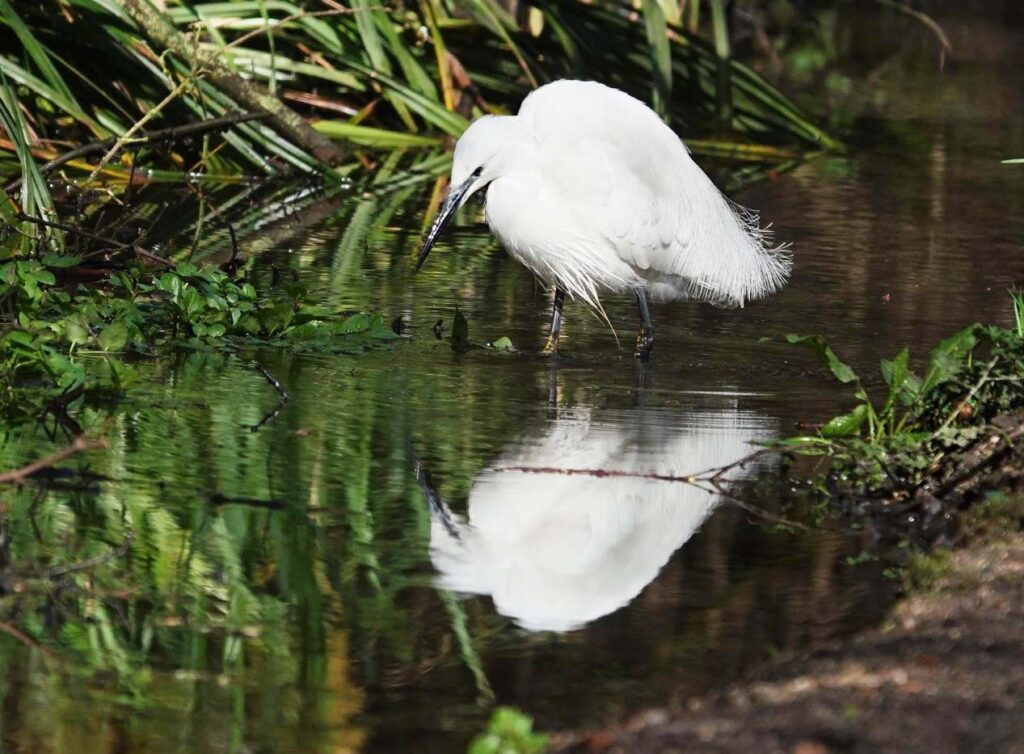
The resident Little Egret made a number of appearances.

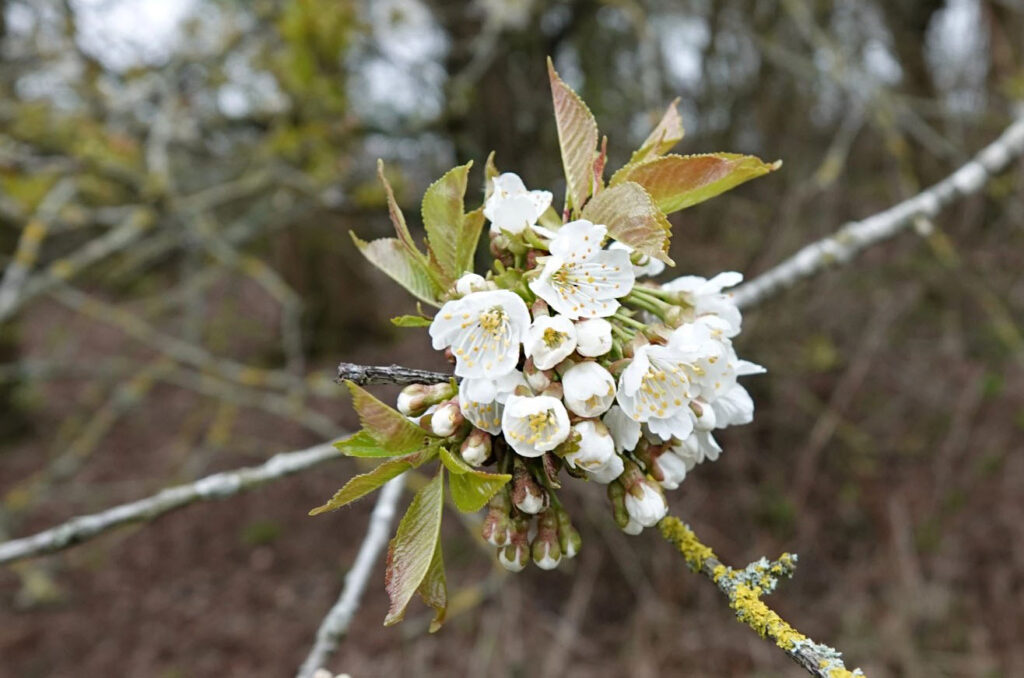
By the end of March with the weather warming up we brush cut some of the patches of long overwintered grass south of Ashlawn Bridge. Early spring flowers and blossom started to show.

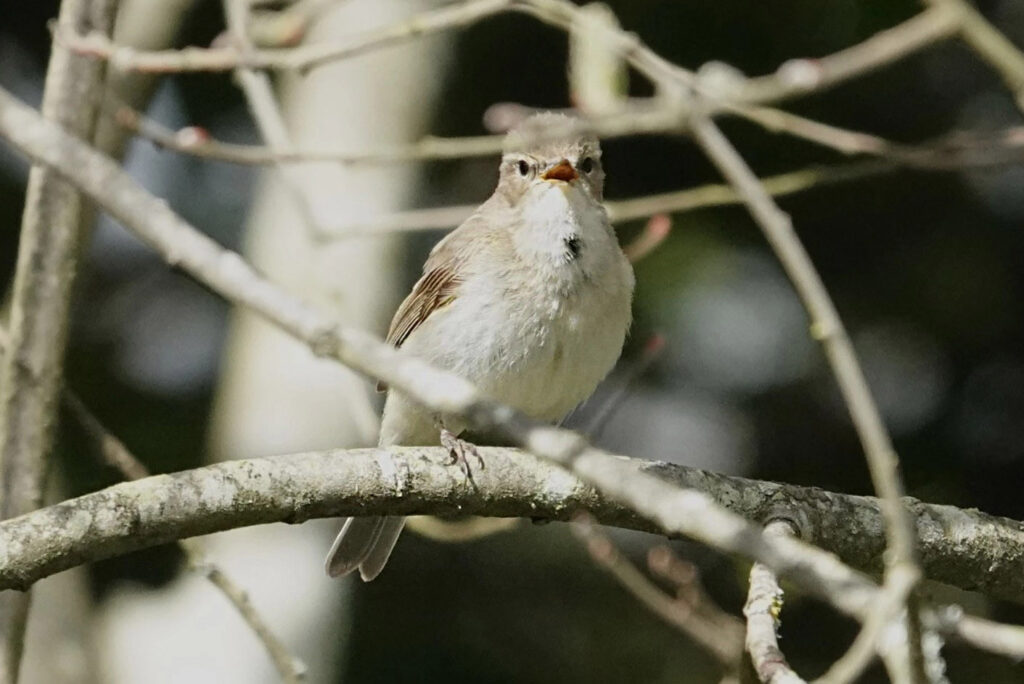
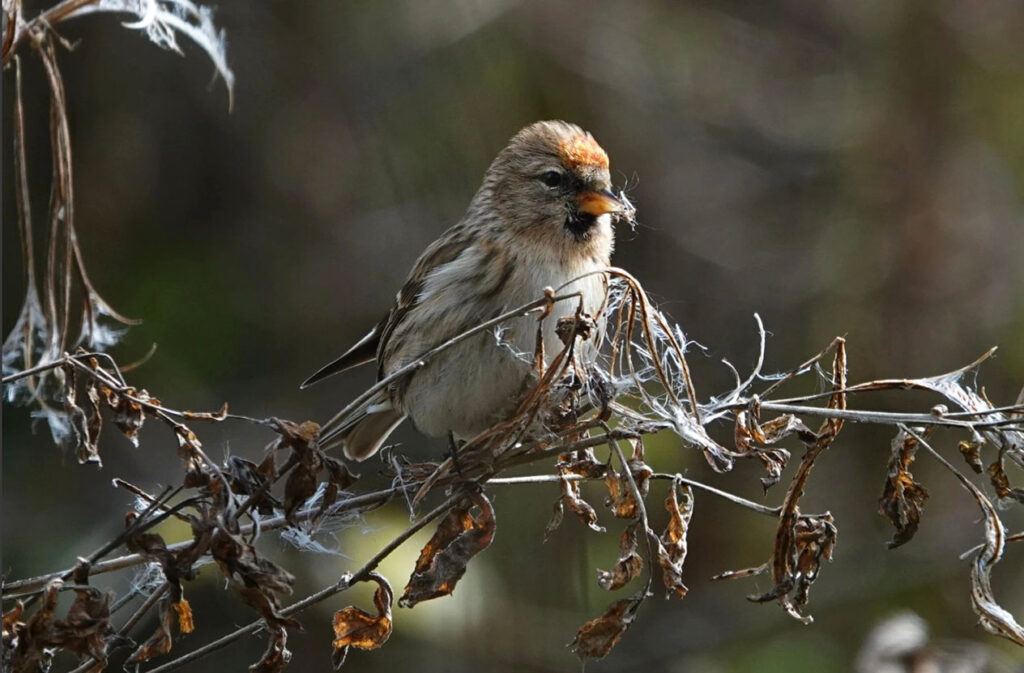
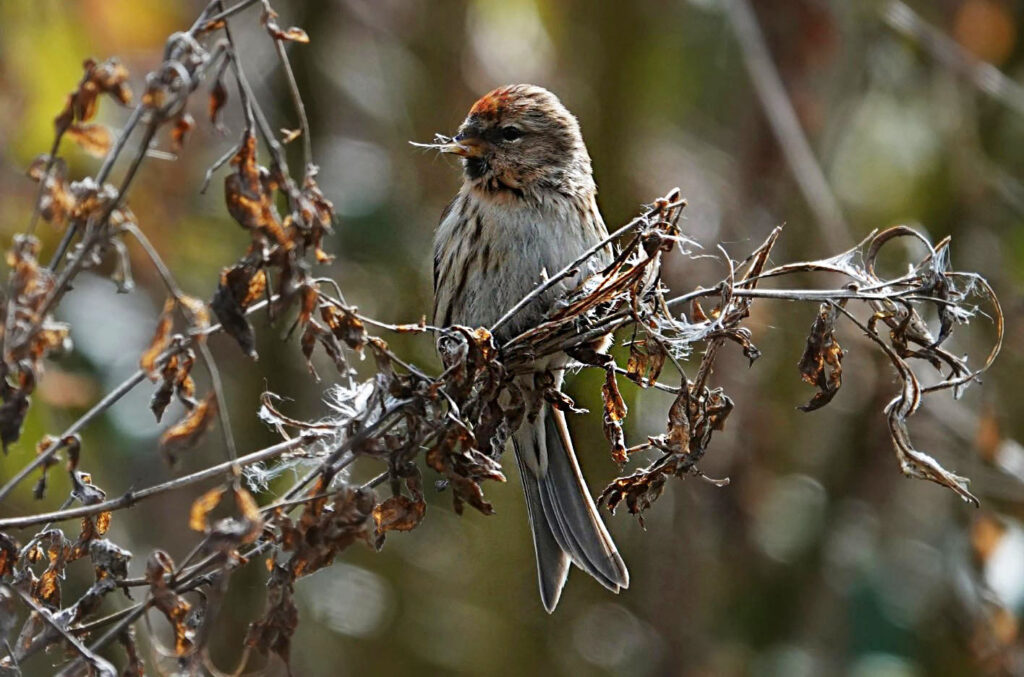
Ashlawn birdlife also welcomed some warmer weather and started nesting activities… A chiff chaff and redpoll were sighted. We were especially pleased to see the Redpoll enjoying the Rosebay Willow Herb around the marshes.

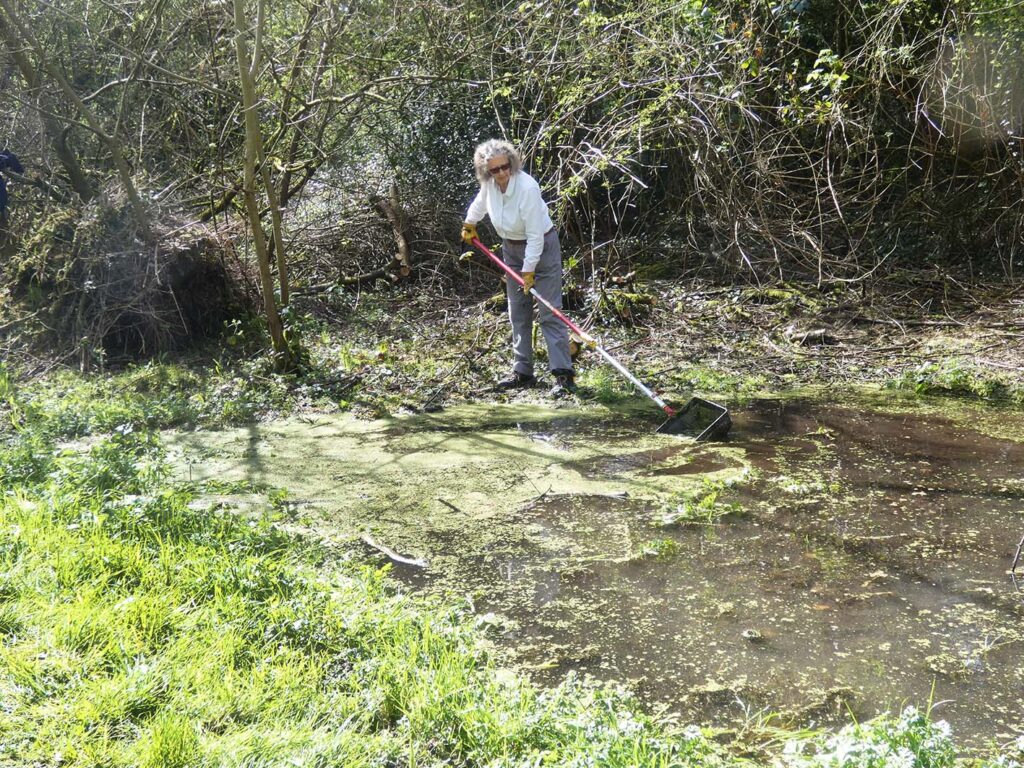
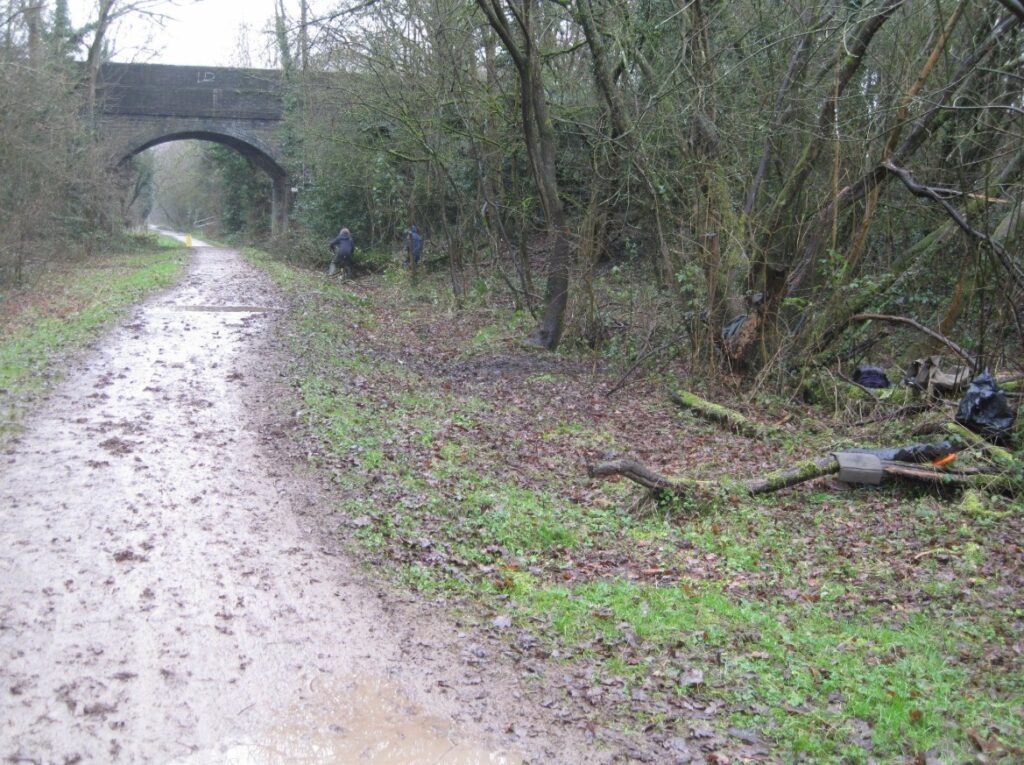
In April the group undertook some work on the marsh clearing Azolla and we continued clearing invasive species. We also removed rubbish and garden waste tipped from the houses along the cutting.

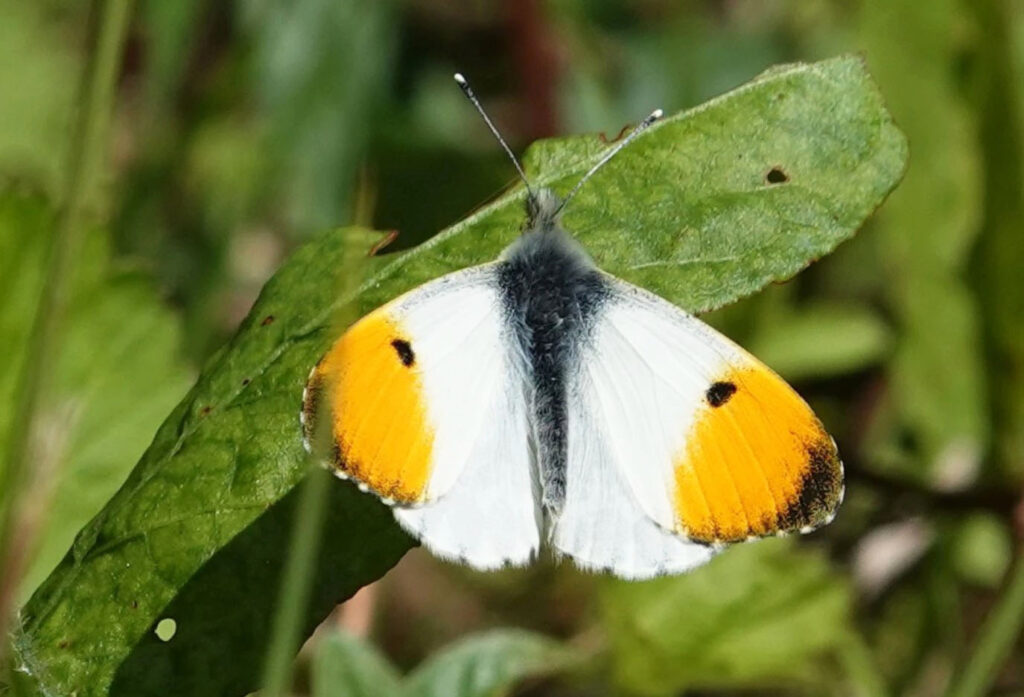
More butterflies appeared as the days grew warmer… Orange tips, Brimstones and Speckled Woods were spotted by mid April. A Green-veined White was also seen.

It’s been a great spring for Holly Blues in particular.

January-February, Newbold Quarry

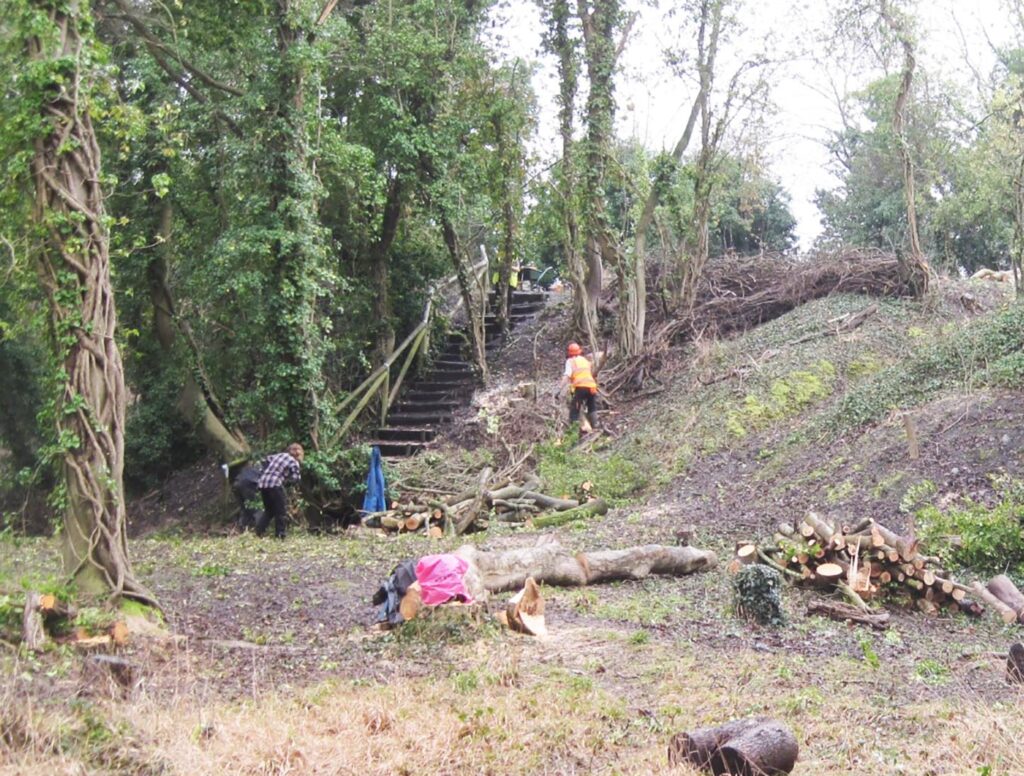
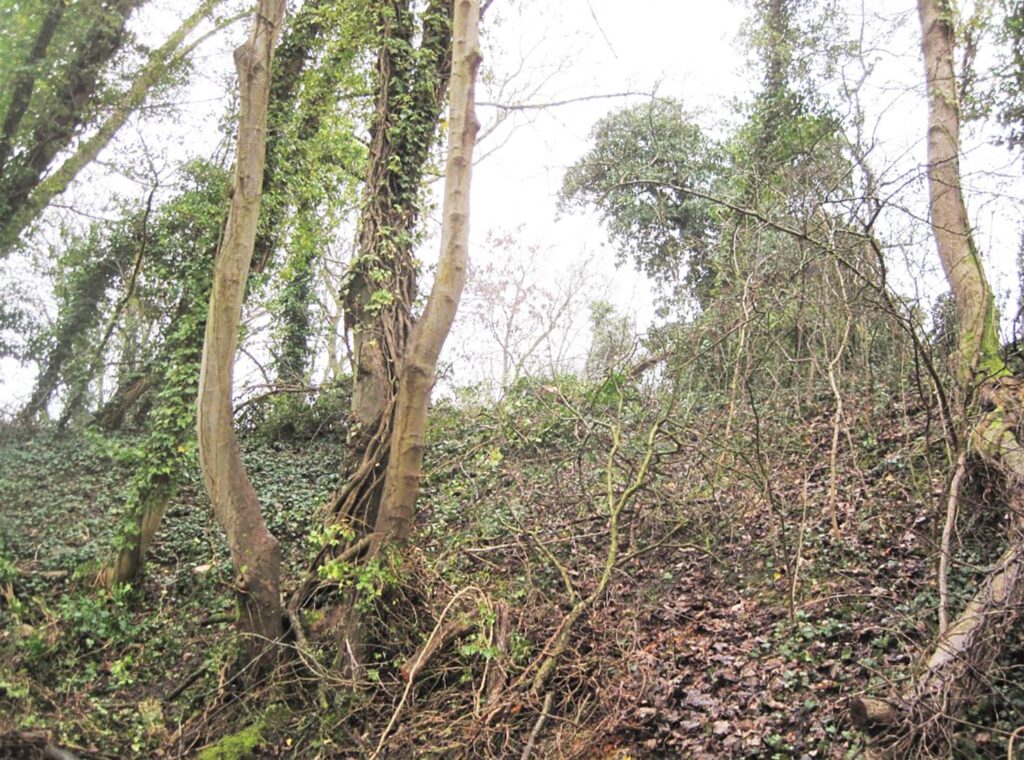
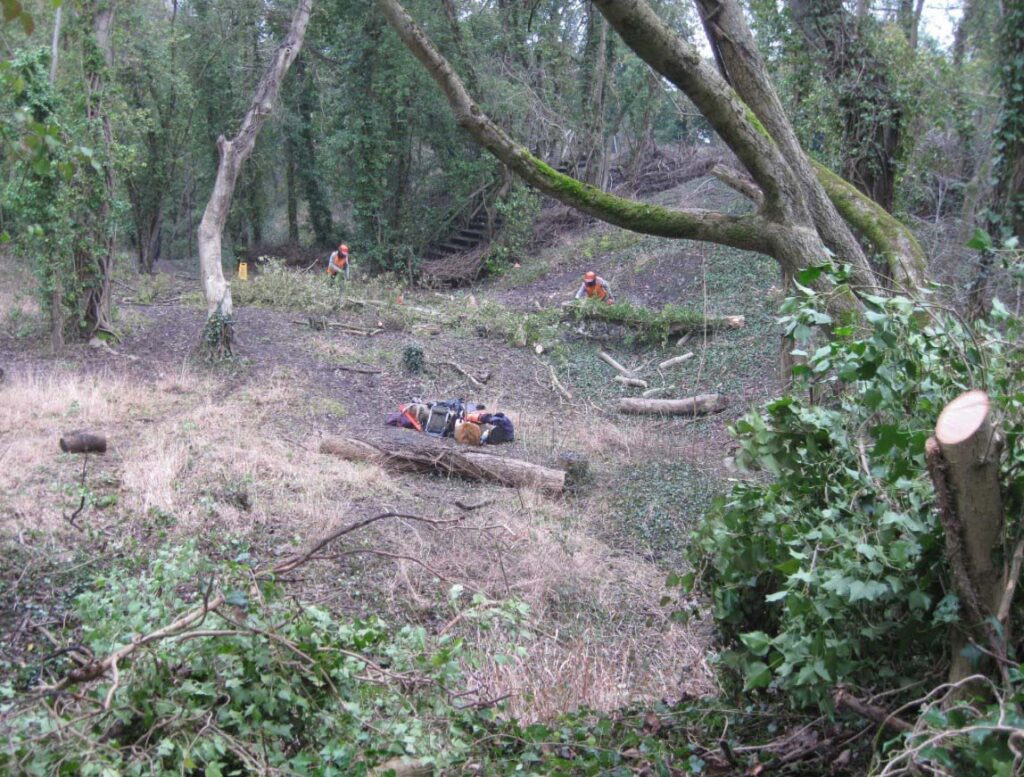
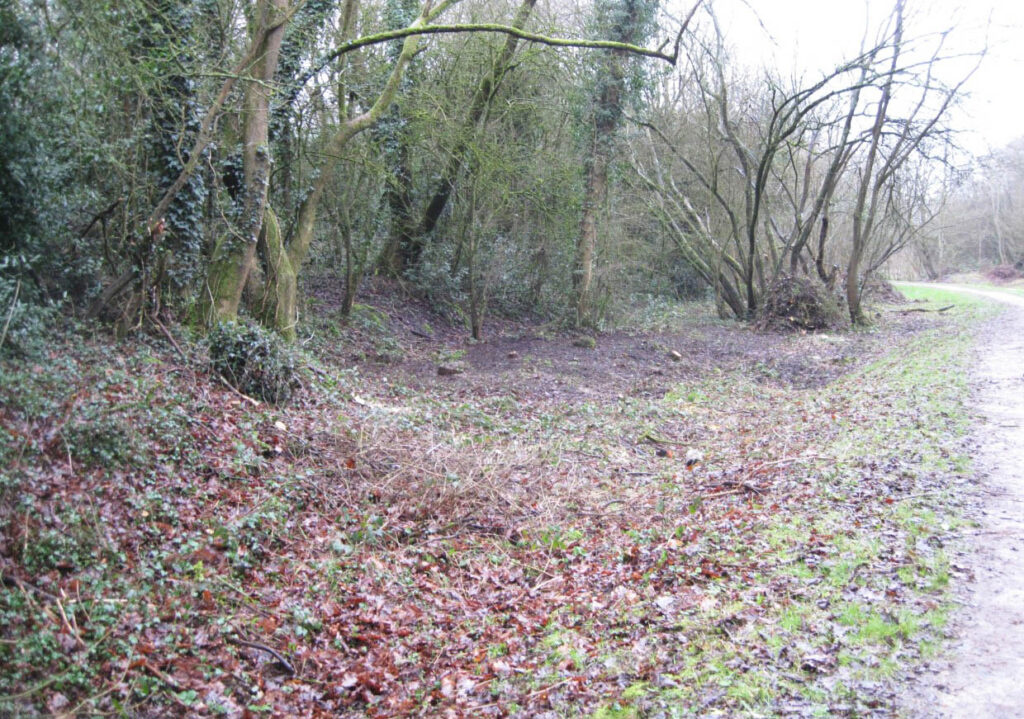
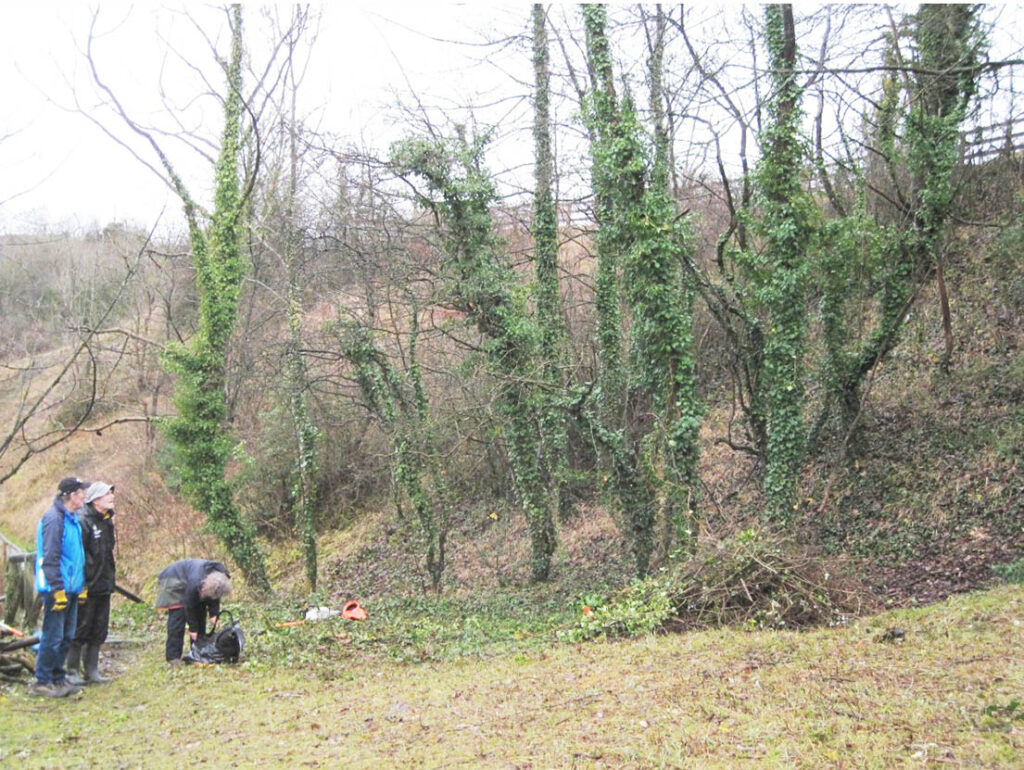
Great progress is being made at Newbold on the new glade and orchid bank. The thick brush and tree growth has been removed and the bank has been cleared of the ivy. A lot of hard work by all involved and quite a transformation in a few weeks.

Clearing the thick growth of ivy on the steep bank requires some mountaineering skills but Barbara and Tracy are up to the task.

The steps are cleared…

… and Birds Foot Trefoil is sown along the top of the bank.

In the New Glade diseased ash trees are felled to allow light in and bring back some ground flora

This work is being completed before the nesting season starts in early spring.

January-February, Ashlawn

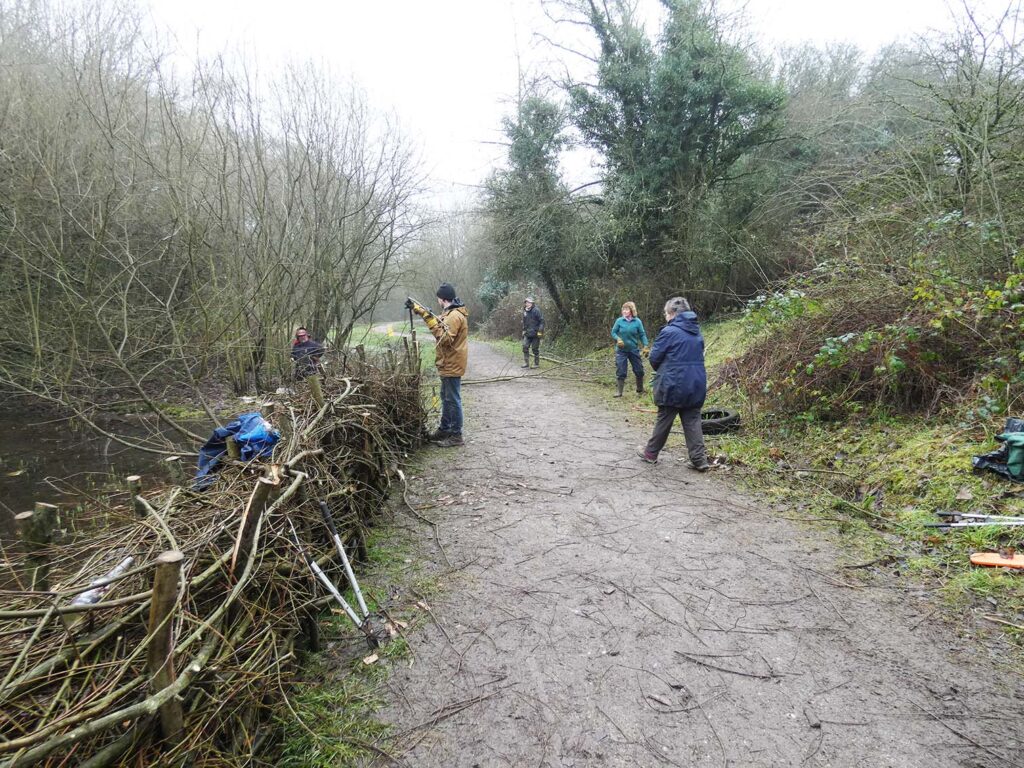
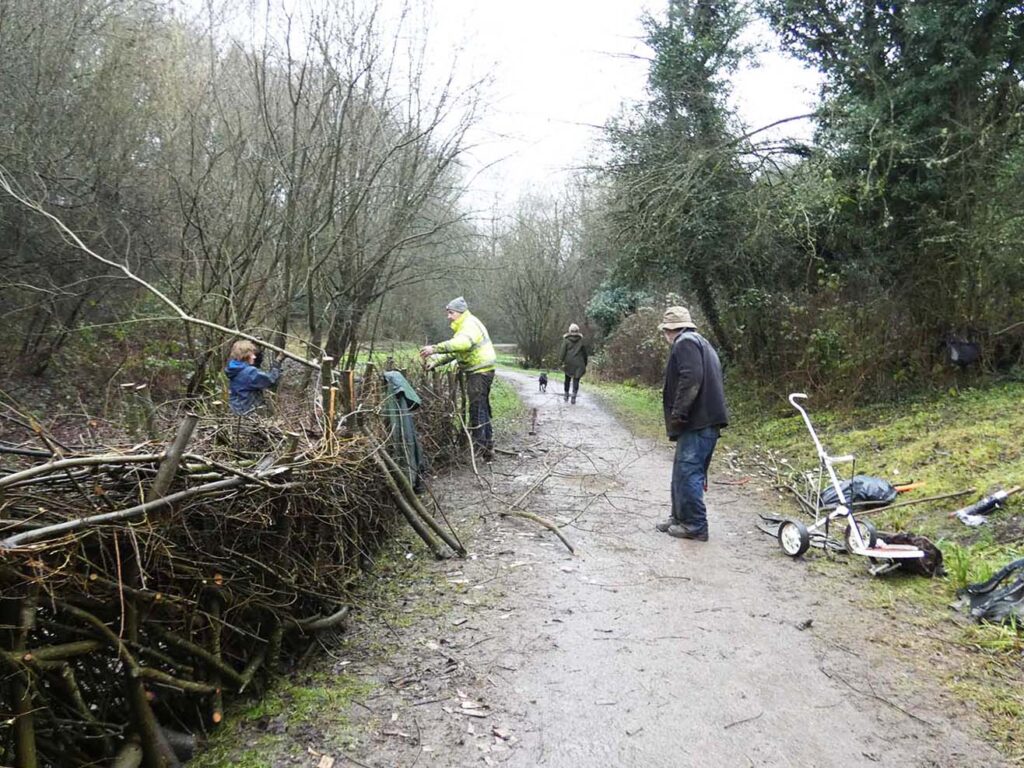
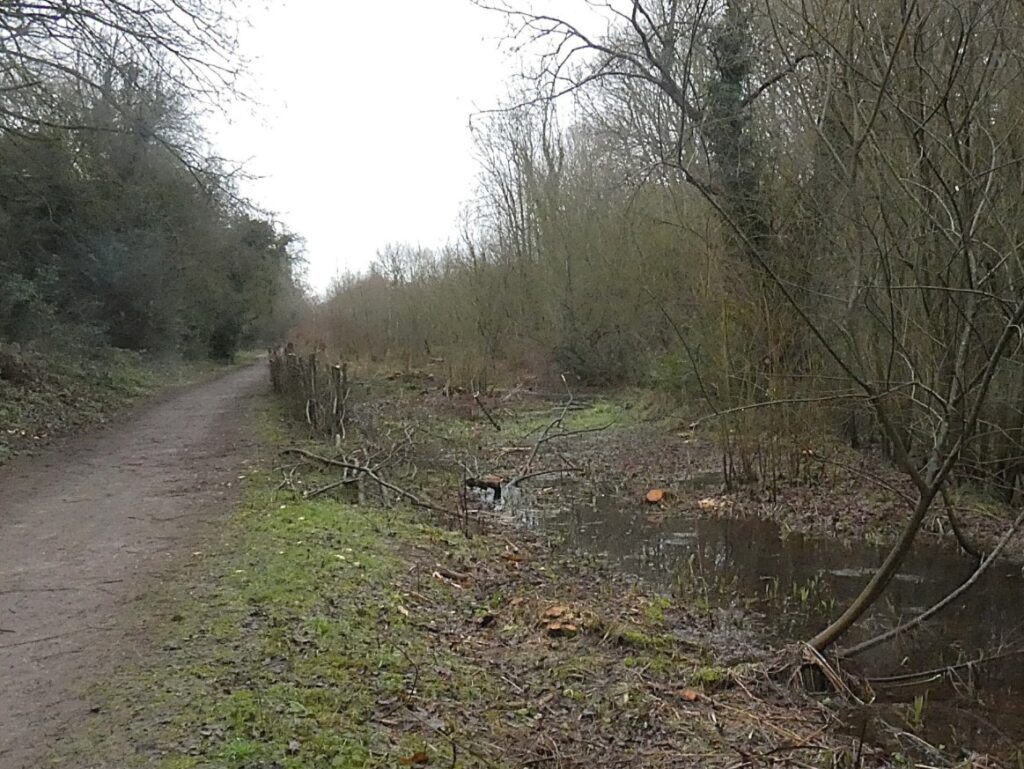
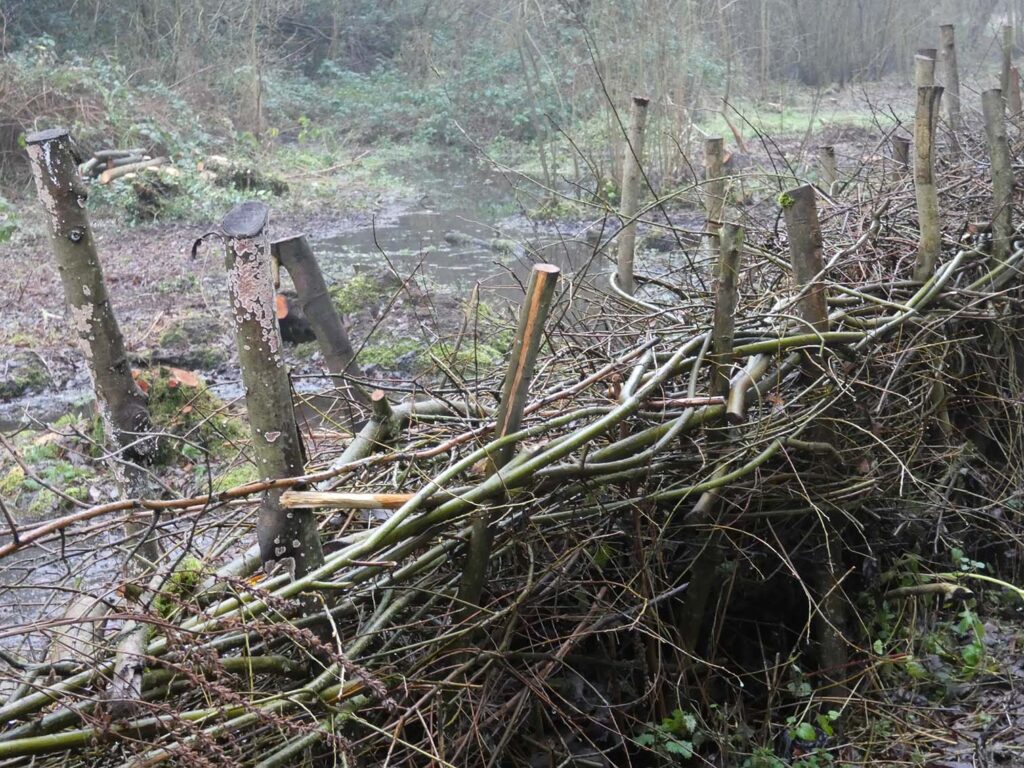
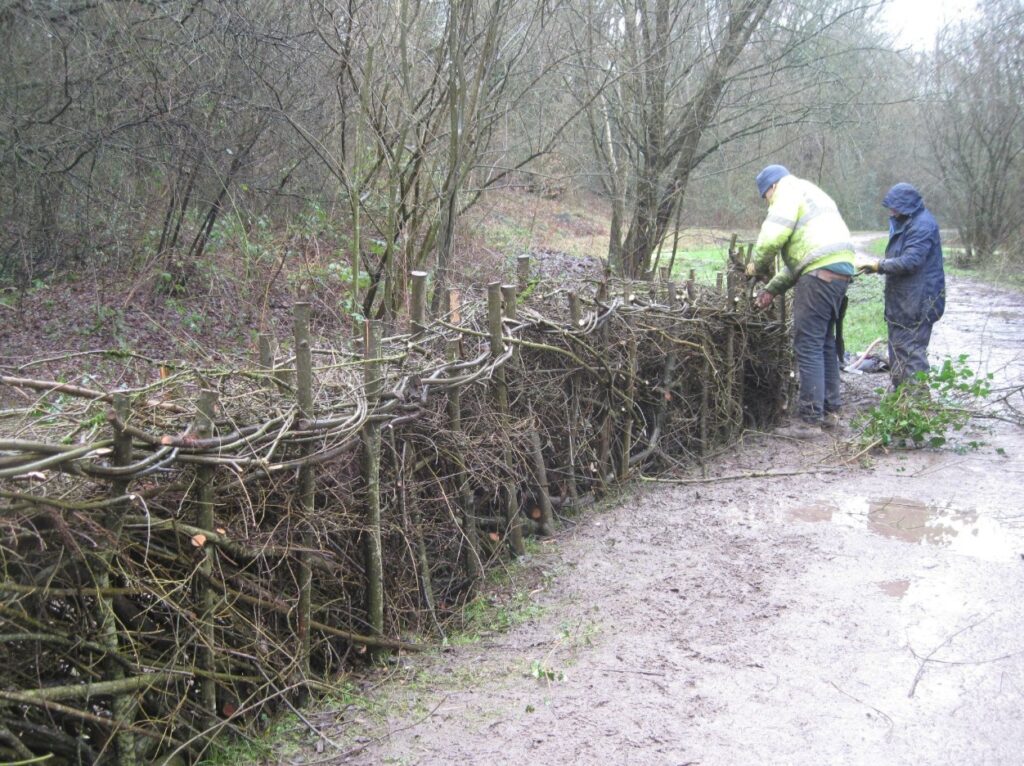
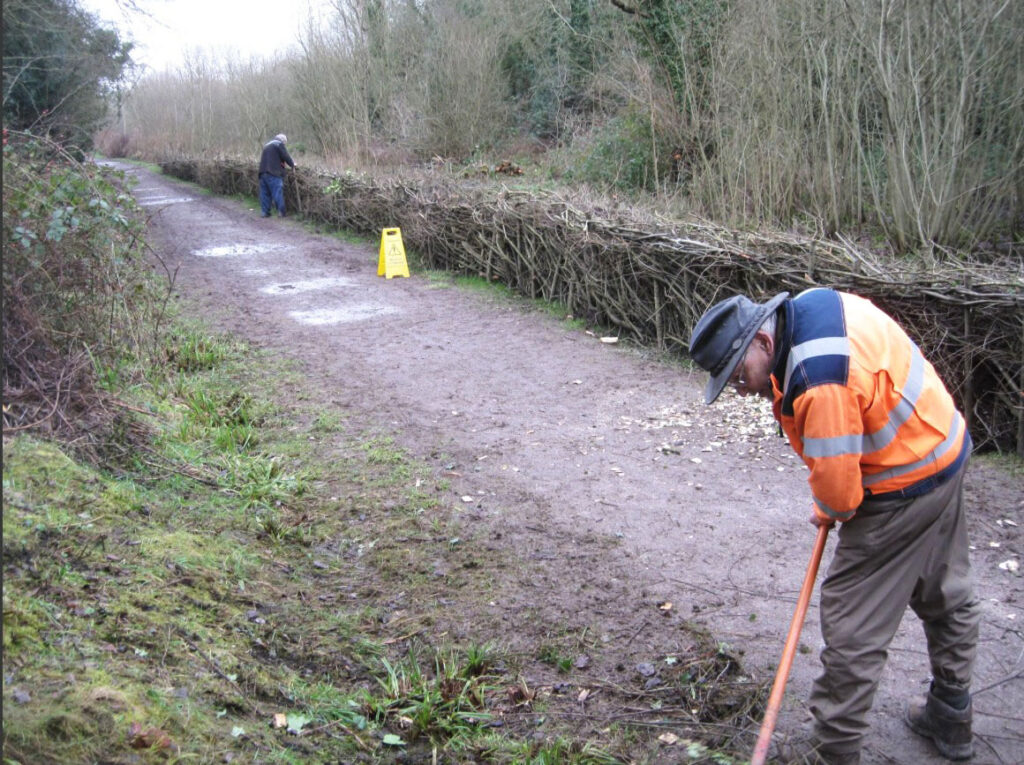
Despite some very wet, cold and murky weather during January and February the team continued with coppicing the willows in the marsh and using the cut material to extend the dead hedge.

Weaving the long binders into the hedge makes it stronger.

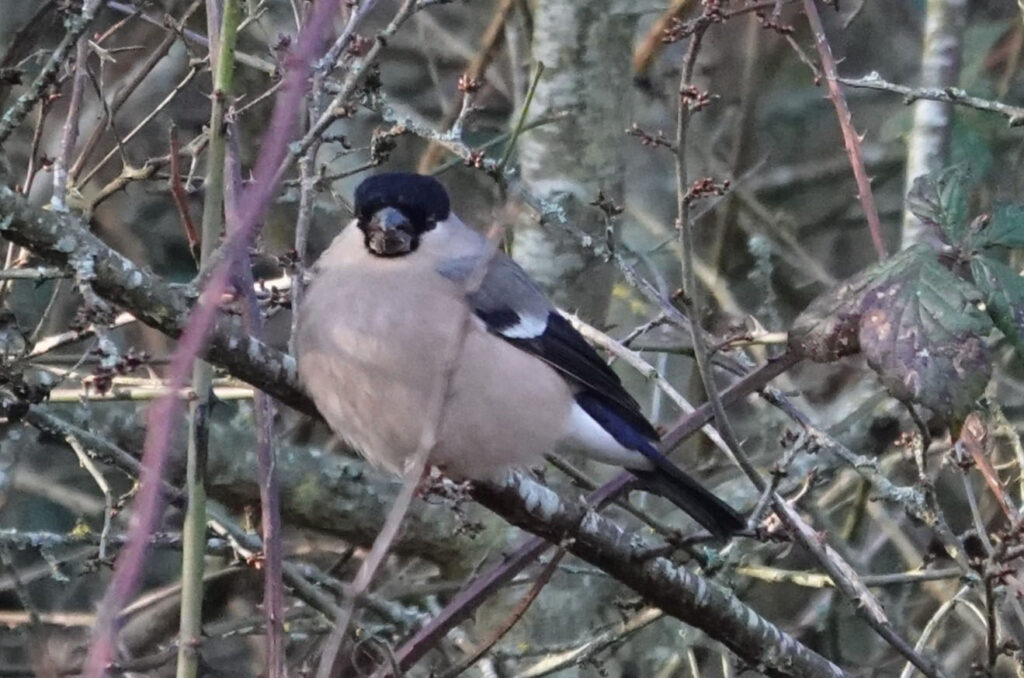
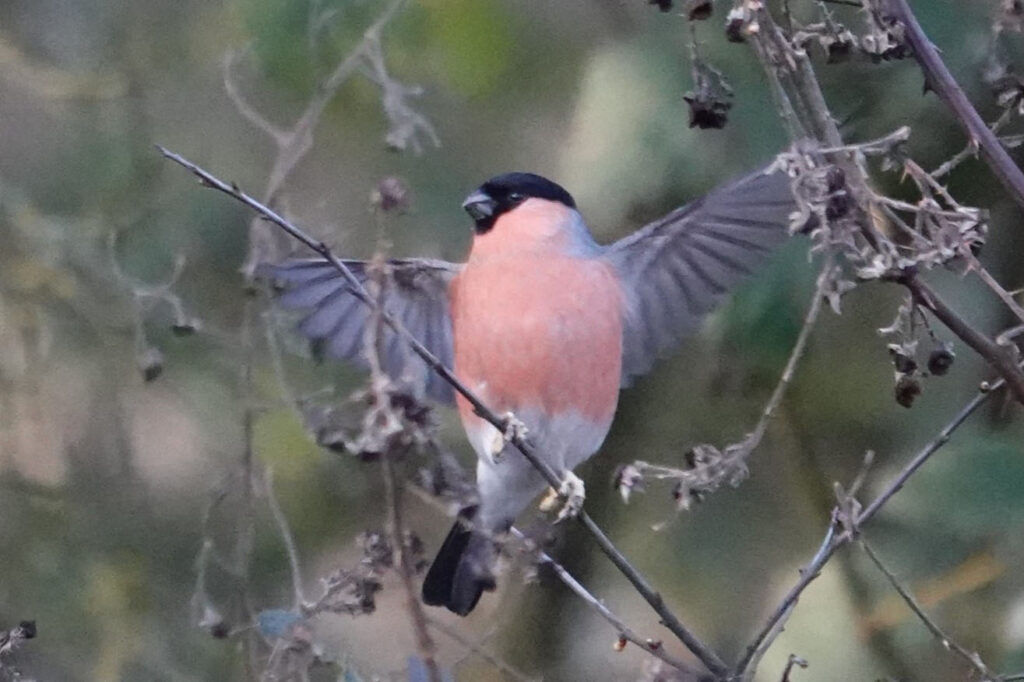
We’ve been observed in action by some of the local birdlife…

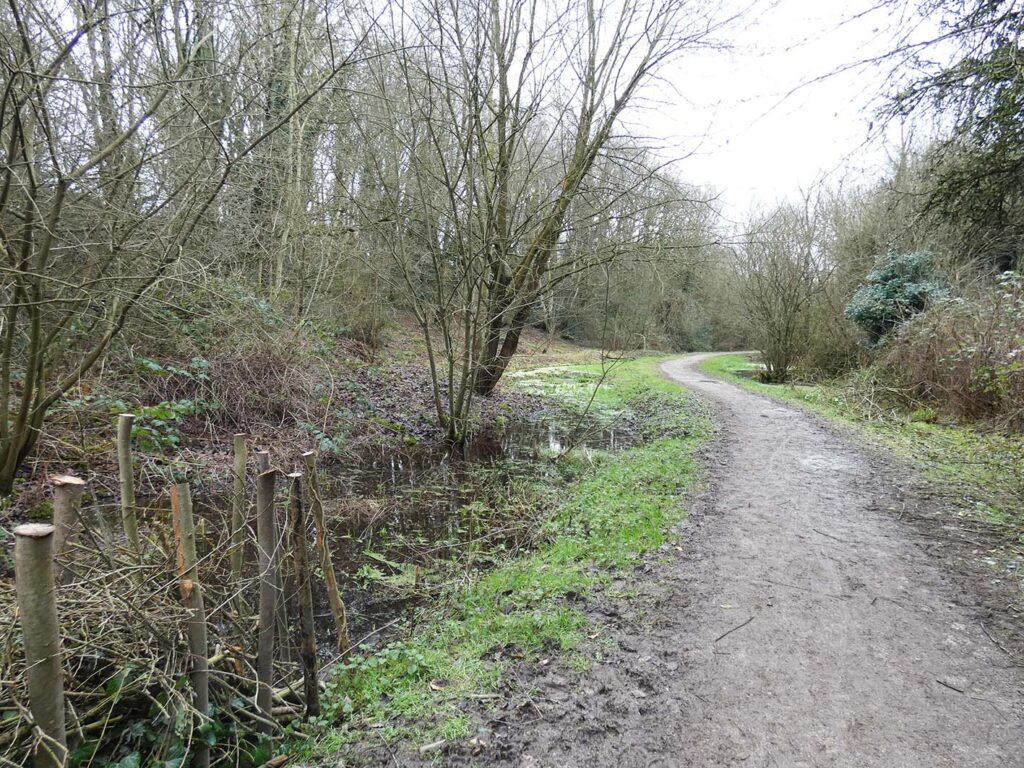
The hedge continues to stretch towards the end of the long pond and Pytchley Bridge.

As well as cutting down the overcrowded willows we planted Alder in the marsh along the back of the hedge and whips of Spindle, Guelder Rose and other species just beyond the bridge.

We’ve also cleared some of the undergrowth and brush just north of the bridge to provide more light and enable us to sow some Garlic Mustard in the exposed soil.

All this work has created a lot of mud and twigs on the path which need to be cleared up and Phil usually brings his rake…

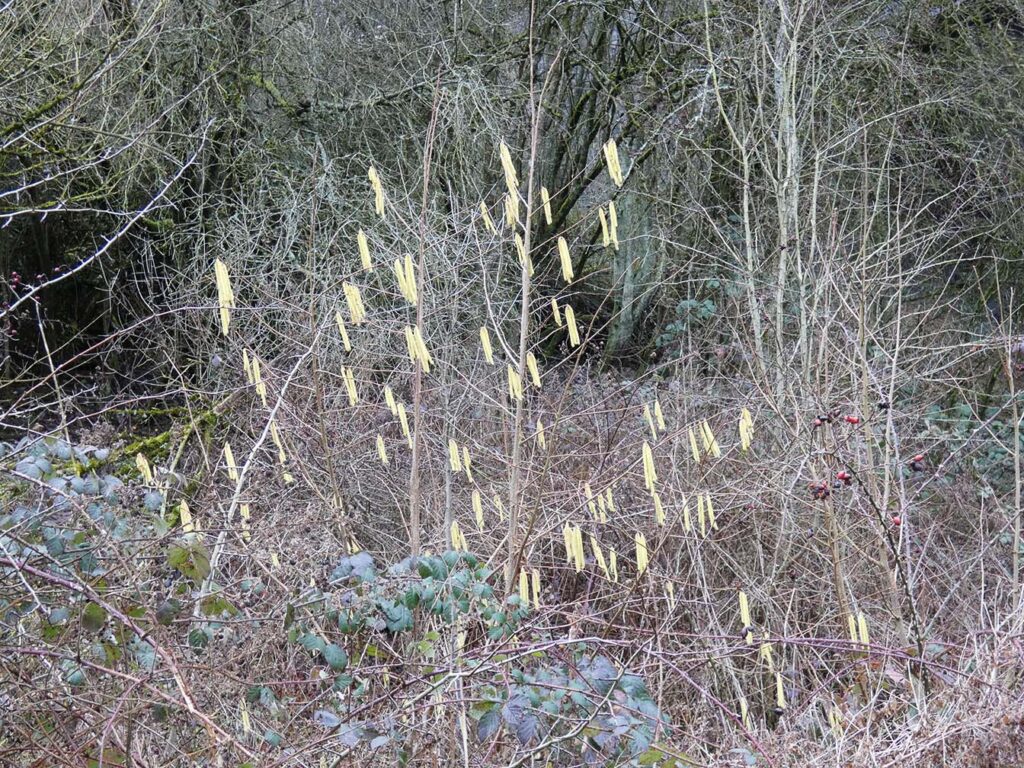
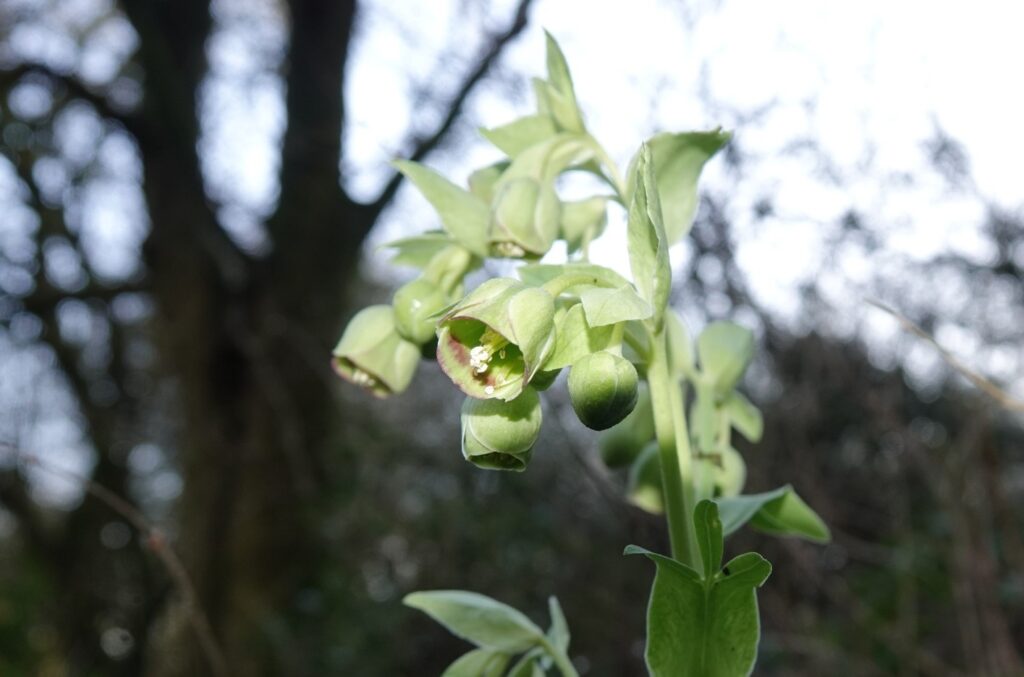
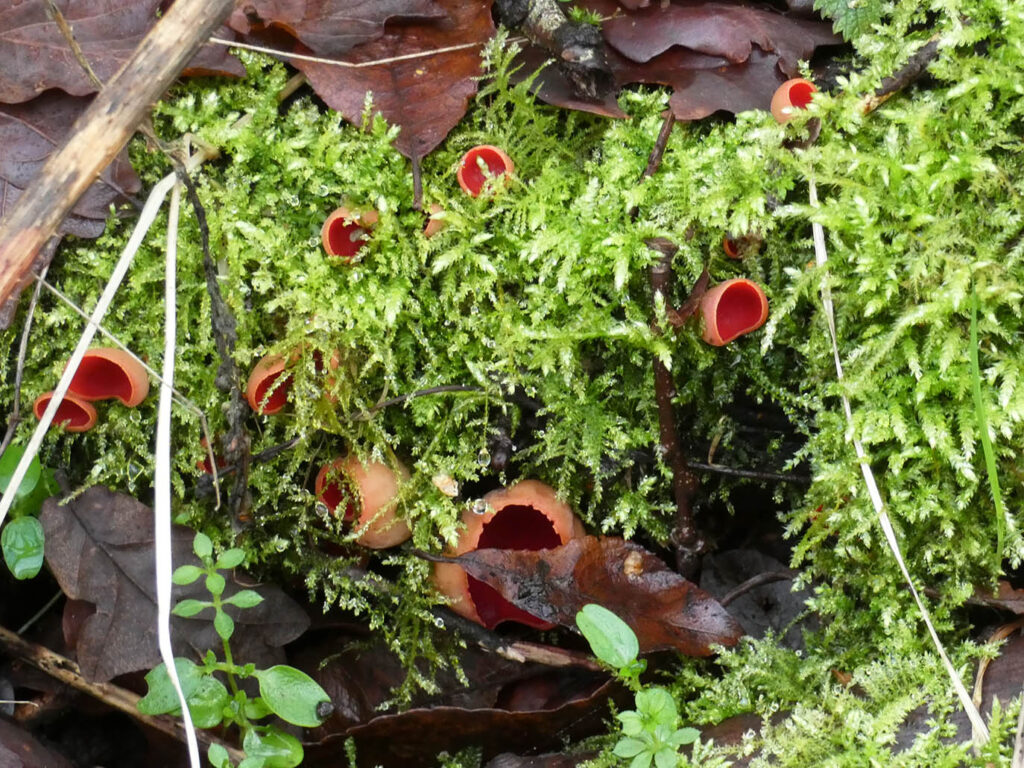
Some fungi and plants continue to provide a spot of colour in the gloom of late winter…

Dec 2025 – January 2026, Newbold

In December the group met as storm Bram hit the UK. Although the worst of the storm was avoided they still felt the intermittent heavy downpours – every time they were about to pack up the weather cleared again. The orchid shelf grassland extension is getting larger and enthusiasm counts for a lot.

The next task is clearing the ground of ivy but it’s a harder task when the ground is solid.